Blog

  • Skin Boosters vs. Fillers: What’s Best for Your Skin?

    Skin Boosters vs. Fillers: What’s Best for Your Skin?

    Today, increasing numbers of individuals are opting for non-surgical procedures to maintain their skin fresh, glowing, and youthful. Two of the most sought-after treatments that tend to emerge are skin boosters and fillers.

    They may look very much alike at first sight since both involve injections, and both promise better looking skin. But they actually do very different things. And if you’re not sure which one is right for your skin, you don’t have to worry. Here we’ll break it down in a simple way so you can understand the difference between skin boosters and filters and figure out which one your skin really needs.

    What Are Skin Boosters? 

    Skin boosters are a type of injectable treatment that is meant to deeply hydrate and improve the overall quality of your skin. Unlike dermal fillers, which add volume or shape, skin boosters work more like an advanced moisturiser, helps delivering hydration from within.

    They typically contain hyaluronic acid (HA), which is a naturally occurring component in your body that helps retain moisture. Through a series of tiny microinjections, this HA is delivered just under the skin which helps it stays plump, smooth, and glowing.

    What Skin Concerns Do They Target?

    skin boosters

    Skin boosters are generally great for: 

    • Dry or dehydrated skin 
    • Dullness or uneven texture 
    • Fine lines and crepey skin 
    • Loss of elasticity and firmness 
    • Tired-looking or aging skin 

    They’re perfect if your skin needs a boost of glow, hydration, and softness, without any drastic changes.

    Who Are They Best For? 

    Skin boosters are best for: 

    • Anyone noticing their skin looks tired, dry, or less radiant. 
    • People in their mid-20s and above who want to slow early signs of aging. 
    • Those with dry or mature skin. 
    • Even great for younger skin as a “glow-up” or skin prep before events. 

    They’re suitable for all skin types and tones and can be used on the face, neck, décolletage, and even hands.

    How Long Do the Results Last? 

    Results are not instant but build gradually. You’ll start noticing improvement in approx. 2–3 weeks after the first session. For best results, we recommend 3 sessions spaced 2–4 weeks apart, followed by maintenance every 4–6 months.

    What Are Dermal Fillers? 

    Dermal fillers

    Dermal fillers are gel-like injections that restore lost volume, smooth out lines, and improve facial contours. Typically made from hyaluronic acid (HA), a natural substance that keeps skin hydrated and plump, dermal fillers help regain youthful fullness and skin definition as we age.

    Unlike skin boosters that focus on hydration and skin quality, fillers are all about adding volume and shaping certain areas of the face to give you a more youthful or defined look.

    What Concerns Do Fillers Help With? 

    Dermal fillers can target a range of facial concerns, such as: 

    • Fine lines and wrinkles 
    • Nasolabial folds (smile lines) 
    • Sunken cheeks or temples 
    • Under-eye hollows (tear troughs) 
    • Thin or uneven lips 
    • Jawline or chin definition 
    • Neck lines and creases 
    • Volume loss in hands 

    They’re perfect for anyone looking to restore structure, enhance features, or smooth out signs of aging.

    Who Are They Best For? 

    Dermal fillers are typically ideal for: 

    • Anyone noticing volume loss in areas like the cheeks, under-eyes, or around the mouth. 
    • If you want smoother skin or fewer wrinkles 
    • People looking to improve features like lips, chin, or jawline 
    • Anyone wanting a simple, non-surgical way to refresh their appearance. 

    Both men and women can benefit from fillers, and treatments are fully customizable.

    How Long Do Fillers Last? 

    The effects of dermal fillers are usually visible immediately after the treatment, with full results settling in within a few days. However, depending on the area treated and the product used, results can last anywhere from 6 to 18 months. Maintenance sessions are usually recommended once the filler naturally dissolves over time.

    The effect of dermal fillers are usually visible just after treatment occurs, and total result will settle within just a few days. However, results can last anywhere from 6 to 18 months, which depends on the area treated along with the product used. Maintenance sessions are usually recommended once the fillers naturally dissolves over time.

    Key Differences: Skin Boosters vs. Fillers 

    Feature Skin Boosters Dermal Fillers 
    Main Purpose To deep hydrate and improve skin quality To add volume, contour, and smooth deeper lines 
    How It Works Microinjections of hyaluronic acid to hydrate skin HA or other gel injected to lift, fill, or contour 
    Target Concerns Dryness, dullness, fine texture, crepey skin Wrinkles, fine lines, volume loss, facial hollows 
    Areas Treated Face, neck, hands, décolletage Lips, cheeks, under eyes, jawline, nasolabial folds 
    Results Timeline Gradual, noticeable in 2–3 weeks Immediate (with full effect in a few days) 
    Longevity Around 6 months (varies by product & skin) 6–18 months depending on area and product 
    Treatment Goal Improve skin texture, glow, and hydration Sculpt facial features and restore lost volume 
    Best For Dull, tired, or dry skin (early aging signs) Volume loss, sagging, or defined feature enhancement 
    Look & Feel Natural glow and smoothness Noticeable enhancement or contouring 

    So, Which One Is Right for You? 

    Skin boosters and fillers

    Choosing between skin boosters and dermal fillers in Dubai depends on what your skin needs and what results you’re looking for.

    If your skin feels dry, tired, or dull, and you’re just looking for a healthy, radiant glow, skin boosters are your best friend. They hydrate from within and improve your overall skin quality without changing your facial shape.

    But if you’re seeing deeper lines, sagging, or volume loss in areas like your cheeks, lips, or under-eyes, then dermal fillers might be a better option for you. They help lift, smooth, and contour your features for a more youthful appearance.

    If you’re still not sure which one suits, you? That’s alright. In many cases, a combination of both treatments works best – one to boost the skin, and the other to refine facial shape.

    At Amara Aesthetic Studio, our skin care specialists will assess your skin, listen to your concerns, and create a personalised treatment plan that works just for you.

    Let Amara Help You Choose What’s Right 

    There’s no one-size-fits-all answer when you decide between skin boosters and fillers. It really depends on what your skin actually needs – a boost of hydration, a glow-up before a big event, or just a hydrated glow. At Amara Aesthetic Studio, we take a truly patient-first approach. Our experts take time to understand your skin, your goals, and your lifestyle. Through in-depth consultation and advanced skin analysis, we create a personalised treatment plan that’s tailored just for you.

    Ready to find out what your skin really needs? Book your consultation with Amara today.

    Frequently Asked Questions – Skin Boosters

    1. Are skin boosters the same as fillers? 

    No, they are quite different. While they are both injected, and serve different purposes, skin boosters are injected to hydrate deeper and give overall texture and glow to the skin, whereas fillers are injected with the purpose of creating volume, filling lines of rejuvenation or contour, such as in the lips, cheeks, or jawline.

    2. Do skin boosters and fillers hurt? 

    Both skin booster treatments and fillers generally fall within a manageable discomfort. You may feel a slight pinch, sting, but a numbing cream is applied before the treatment to ensure the procedure is comfortable. If you feel anything, it is usually mild and fleeting.

    3. Can I get both treatments done together? 

    Yes! Both skin boosters and fillers go well together because they have their own benefits. Boosters amplify texture and glow to the skin while fillers add volume and shape.

    4. Are these treatments safe? 

    Yes, both treatments are safe when performed by licensed professionals using recognized and approved product lines. At Amara Aesthetic Studio, we use trusted brands and follow the highest safety standards to ensure every client receives expert care.

    5. Is there any downtime after treatment? 

    Not really, downtime for both is minimal. You may have some redness, swelling or even a few small bumps, especially for fillers, at the injection site. These usually dissipate in 24–48 hours. Most clients go back to their normal routine the same day.

  • Tips to Help You Find the Best Aesthetic Doctor in Dubai 

    Tips to Help You Find the Best Aesthetic Doctor in Dubai 

    Dubai is a destination that seamlessly combines beauty, wellness & innovation and now aesthetic treatments have all but peaked in popularity. More people than ever are turning to professionals for not only subtle enhancements, but transformational procedures too. However, with the growing number of clinics and specialists, how do you know who you can trust? 

    Selecting the best aesthetic doctor in Dubai is not simply about credentials, but finding someone that admires and respects your goals, will put your safety first, and gives natural, long-lasting results. For that reason, at Amara Aesthetic Studio, we like to do things a little differently. We emphasize overall well-being instead of just following the trends. Our team provides expert care, honest advice, and treatments that are tailored specifically for you.  

    So here are a few simple but crucial points to help you find the best aesthetic doctor in Dubai, UAE. 

    Who are Aesthetic Doctors? 

    Aesthetic doctors are licensed medical professionals who offer non-surgical treatments like Botox, fillers, laser therapy, and skin rejuvenation to enhance your appearance. They help you look fresher, younger, and more confident, without going under the knife. 

    Certified aesthetic doctors in Dubai are approved by the Dubai Health Authority (DHA) and often bring global training and expertise. 

    How to Find a Trusted Aesthetic Doctor in Dubai? 

    Dubai has many options, but here’s how you find the best aesthetic doctor for your needs. 

    1. Understand Your Needs First 

    Before you jump in and start looking for the best aesthetic doctor in Dubai, it’s a good idea to spend a little time considering your wants. Do you wish to address signs of ageing, have acne or scars treated, get fillers or Botox, undergo laser treatments, or looking to improve your smile with dental aesthetics? Understanding what you want will ensure you find a doctor who practices in that area. 

    Also, ask yourself: Are you looking for something that is a one-off treatment for a problem or something that is going to be a long-term plan? Is your goal to correct something or simply enhance your natural features? Once you are clear about what you need, it is far easier to select a doctor and clinic to embark on your journey. 

    2. Check the Doctor’s Experience and Qualifications 

    Once you know what kind of treatment you need, the next important step is to look at the doctor’s background. All aesthetic doctors in Dubai must be licensed by the Dubai Health Authority (DHA). However, beyond that, it’s helpful to check how many years of experience they have and if they focus on the type of treatment you’re looking for. 

    For example, if you’re thinking about injectables or skin resurfacing, you want someone who’s done hundreds of these procedures, not just someone who offers them. Doctors with international training, memberships in aesthetic societies, or who regularly attend global conferences often stay ahead in both knowledge and skill. 

    3. Read Reviews and Patient Stories 

    One of the best ways to know if a doctor is good at what they do? Just simply hear it from the people who’ve already been there. You can check online reviews, Google ratings, and even social media comments. Look out for feedback on things like treatment results, clinic cleanliness, how the staff behaves, and how well the doctor listens and explains things. 

    But be cautious of overly edited before-and-after photos or fake-looking testimonials. Real patients will often mention their honest experience, including how comfortable and informed they felt during and after their visit. 

    4. Book a Consultation and Pay Attention 

    A consultation isn’t just for the physician to examine you; it’s also your chance to see how he or she operates. Did they take time to address your needs, communicate the options available and answer any questions you had without rushing you? Or, were they quick to suggest high-end treatments, without consideration for your needs?  

    A good aesthetic doctor in Dubai will offer advice that is realistic and tailored specifically to your face, skin, or body, not just what is trending on social media. Always trust the one who values safety and transparency over selling you the latest trend. 

    5. Visit the Clinic in Person 

    If possible, visit the clinic before deciding on your physician. Pay attention to cleanliness, how the staff welcomes you, and if the clinic uses modern technology. A good aesthetic clinic should make you feel safe, calm, and professional, not overly flashy or chaotic. 

    At Amara, for example, we’ve created a space that feels more like a wellness lounge than a medical center, so every visit feels relaxing. 

    6. Ask About Technology and Treatment Options 

    Not all clinics are the same, especially when it comes to equipment and techniques. The top cosmetic doctors in Dubai use FDA-approved technology and stay updated with the latest, safest methods in the industry. This helps you get better results with less downtime. 

    For example, at Amara Aesthetic Studio, we use advanced laser machines, modern facial rejuvenation tools, and dental tech that ensures both comfort and precision. So, when you’re choosing an aesthetic skin specialist in Dubai or for any other treatment, don’t hesitate to ask about the tools and products they use. 

    Bonus Tip: Look for a Holistic Approach 

    A great aesthetic clinic isn’t just about surface-level beauty; it looks at the full picture. That includes skincare, dental health, laser treatments, wellness, and even mental well-being. 

    At Amara Aesthetic Studio, we bring together dermatologists, certified aesthetic doctors, dental experts, and wellness specialists under one roof. Whether you’re looking to brighten your skin, improve your smile, or just feel more confident overall, we believe in treating you as a whole – not in parts. 

    Ready to meet your doctor? Book your consultation with Amara today at +971 54 324 1234 or email us at info@amaraclinics.ae, and take the first step toward a more confident you.

    Frequently Asked Questions – Aesthetic Doctors @Amara

    1. Who is an aesthetic doctor? 

    An aesthetic doctor is a licensed medical professional who is specialised in non-surgical cosmetic procedures (like Botox, fillers, laser, skin resurfacing, etc.) that improve how you look. 

    2. How do I know if an aesthetic doctor is qualified in Dubai? 

    You need to check if they are licensed by the Dubai Health Authority (DHA). You can also look for their experience, patient reviews, and any international certifications or training they have.

    3. What should I look for in a good aesthetic doctor in Dubai? 

    Look for someone who listens to your goals, explains the treatments, uses safe approved techniques, and does not pressure you into other procedures that you do not want or need.

    4. Are aesthetic treatments safe? 

    Yes, aesthetic treatments are generally safe when done by trained professionals using FDA-approved products and equipment. Always choose a trusted clinic with excellent hygiene and safety standards. 

    5. Why should I choose Amara Aesthetic Studio for aesthetic treatments in Dubai? 

    Amara Aesthetic Studio provides advanced technology with a patient-centric approach. We are a team of licensed doctors, dermatologists, and dentists looking after your individual needs in a friendly, clean, and safe environment. We focus on natural-looking results and long-term wellness.

  • Hijama Therapy Explained: Does It Hurt and What Are the Possible Side Effects?

    Hijama Therapy Explained: Does It Hurt and What Are the Possible Side Effects?

    Walk into any wellness lounge today, and you’ll see services like vitamin drips, beauty treatments, and traditional therapies like Hijama. The word alone gives an image of an age-old traditional practice. While Hijama is therapeutic in nature, people are still confused about it. And so, the questions arise — Will it sting? Is it safe? What unfolds the moment you rest on that fresh treatment bed?  

    Let’s unpack Hijama therapy while answering your questions without making it uninteresting.   

    What Exactly Is Hijama Therapy?  

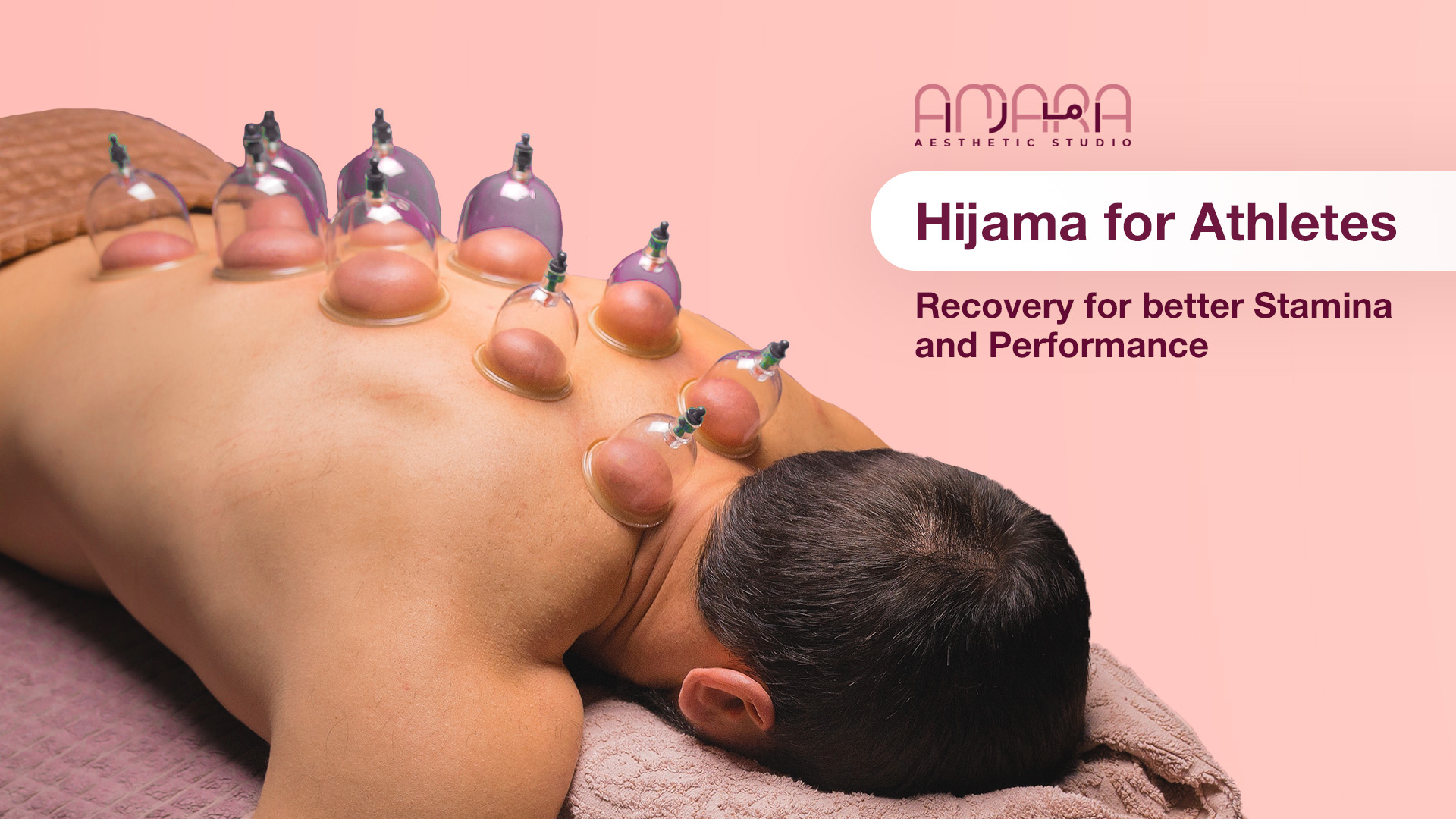
    Hijama is an old, trusted form of cupping, often called wet cupping because it draws out a small amount of blood. It’s been around for centuries, and many people still turn to it when headaches won’t budge, shoulders feel tight, or the body just feels heavy. 

    It’s a gentle nudge for better circulation and a quiet break for tired muscles. Most people don’t come for Hijama expecting magic — they come for the feeling afterward. It’s calm, grounding, and for many, there’s something satisfying about giving your body this old-school reset. 

    The Million Dollar Question: Is Hijama Therapy Painful?   

    Hijama wet cupping therapy

    Hijama is not a scented oil massage. A small blade does make contact with your skin, and a cup does create suction to coax out blood. That said, the discomfort is, by most accounts, brief and surprisingly mild.  

    Think of it as tiny pinpricks rather than anything resembling pain worth fainting over. If you’ve braved eyebrow threading or a thorough deep-clean facial, you’ve probably endured more discomfort than a typical Hijama session brings. Most people describe it as a quick scratch followed by a dull tug — oddly satisfying, if you appreciate the feeling of your knots and tension slowly letting go.  

    What matters is who’s holding the blade and cups because an experienced therapist knows how to make the experience as comfortable as possible, walking you through it step by step. A steady hand and proper hygiene make all the difference.  

    What Are the Factors That Affect Pain Levels in Hijama (Wet Cupping Therapy)?  

    Your Personal Sensitivity  

    The good news is that the cuts are very shallow and done quickly, so for most people, it’s just a brief sting that’s over before you even notice. Everyone’s pain tolerance is different, of course, but many find Hijama surprisingly comfortable.  

    The Practitioner’s Skill  

    As mentioned above, Hijama is as much about technique as tradition. A trained therapist knows how to keep the cuts shallow, precise, and minimal — and how much suction to use so it feels effective, not overwhelming. In skilled hands, most clients are surprised by how bearable it is.  

    The Area Being Treated  

    Some spots naturally feel more sensitive than others. The upper part of the back is the most common area to get Hijama therapy done because it’s fleshy and tolerates the cups well than any other part of the body could.  

    The Number of Cups and Cuts  

    More cups mean more small incisions that could eventually cause slightly more sensation. If it’s your first time, many therapists start with fewer cups so your body can adjust gradually.  
    Hijama Therapy Side Effects  

    So, what’s the fine print? Every wellness treatment comes with a small “but…” and Hijama is no different. Here’s what to know about a few possible side effects before you settle in for your session. 

    1. Circular Marks:  

    The circular marks are perfectly normal and entirely temporary. They fade within a week or two and make for great conversation starters if you’re feeling generous with your health secrets.  

    2. Tenderness:  

    You may feel a bit sore where the cups were placed — nothing dramatic, more like post-massage tenderness than anything else. But a warm shower and some rest can help a lot.  

    3. Feeling Lightheaded:  

    A little blood loss might make some people feel slightly drained. If you feel a bit lightheaded, just take it easy, drink plenty of water, and give your body time to recharge.  

    4. Infection (Rare but Possible):  

    Here’s where standards matter. When done correctly — with single-use blades, medical-grade cups, and scrupulous hygiene — Hijama carries minimal risk of infection. Always pick a reputable studio. If the place looks questionable, so is the treatment.

    Is It Worth Trying?  

    If you love taking care of your body in natural ways, Hijama is the perfect solution for you. The best part? When done properly, Hijama is calm, clean, and surprisingly soothing.

    Hijama at Amara Aesthetic Studio: A Quiet Reset for Body and Mind

    Hijama Therapy in Dubai at Amara Aesthetic Studio

    Hijama therapy, or wet cupping therapy in Dubai, is gaining more attention. At Amara, every Hijama session is given the time, skill, and calm atmosphere it needs.  

    Many people come for help with headaches that don’t let go, stiff shoulders that feel locked in place, or that drained feeling that coffee just can’t fix. Everything is done by trained hands, in a clean, calm space where you know you’re looked after properly.  

    People often say they leave feeling lighter, clearer — sometimes sleeping better than they have in weeks. For some, it helps ease cycle troubles or simply lifts that heavy feeling that builds up over busy days. It’s an old tradition, handled with care and respect, and for many at Amara Aesthetic Studio, it becomes that quiet appointment they look forward to when they need to feel like themselves again.  

    Book your consultation at Amara Studio today at +971 54 324 1234, and experience trusted, expert Hijama therapy in Dubai. 

    Frequently Asked Questions – Hijama Therapy

    1. Will I bleed a lot?  

    No need to imagine anything dramatic — the tiny pricks bring out just enough old blood to do the job. It’s more like a gentle draw than a wound. Everything is kept clean and tidy, and you’re patched up right after.

    2. Do I need to prepare myself for Hijama? 

    It’s good if you come in with an empty stomach or just don’t eat anything heavy right before the session. Wear something comfortable and loose and drink lots of water the day before.

    3. Can I go back to work after my session?  

    You can definitely resume work just make sure you avoid gym or anything intense straight after the therapy as your body deserves a break and that’s the whole point of Hijama.

    4. Does Hijama leave scars?

    Hijama leaves marks, but they are totally temporary in nature. The light spots or circles that you notice clear up in a few days.

    5. How often should I get Hijama done?

    Hijama can be done every 3 months, about 3 to 4 times a year, or whenever you’re feeling tight, stressed, or just need a good reset.