Blog

  • Acne vs Acne Scars? How to Choose the Right Treatment for Your Skin

    Acne vs Acne Scars? How to Choose the Right Treatment for Your Skin

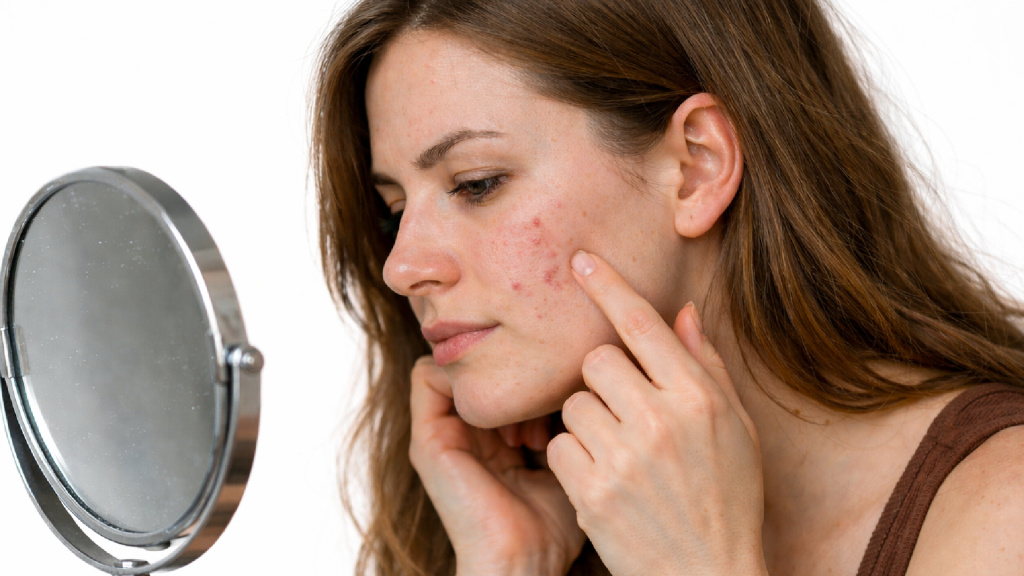
    You look in the mirror and sigh, another breakout, another mark, another reminder of past acne. But are you dealing with active acne, or stubborn acne scars that won’t fade?  

    Understanding the difference is the first step to better skin. When it comes to acne vs acne scars treatment, using the wrong approach can waste time, money, and patience. Breakouts need healing and control, while scars need targeted acne scar solutions to repair your skin’s texture. 

    Many people treat both problems the same way, and that’s where things go wrong. In this blog, we’ll help you identify your real skin concern and choose the right treatment. This is especially important in Dubai’s climate, where heat and sun affect your skin differently. 

    Acne vs Acne Scars: What’s the Real Difference?

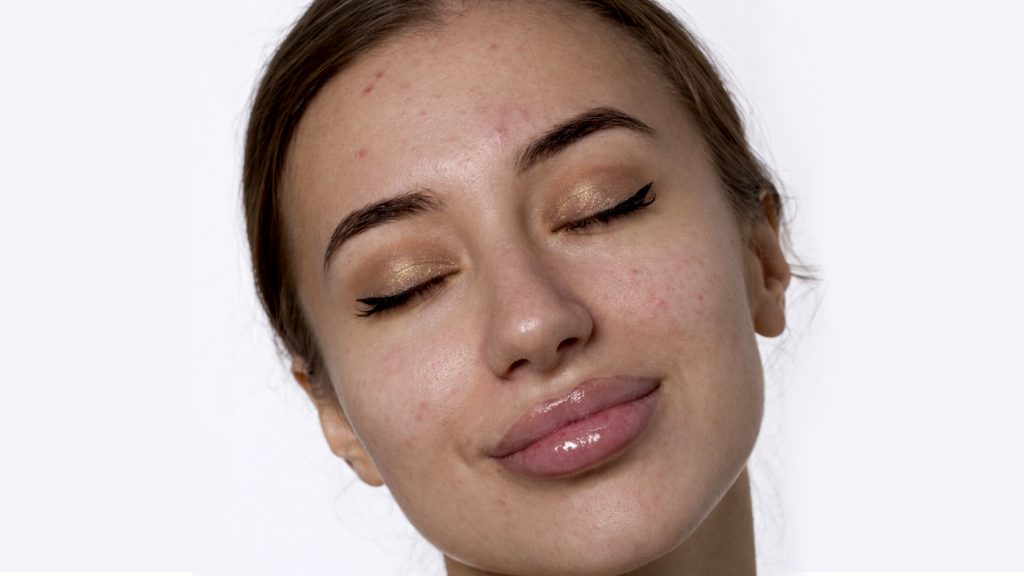
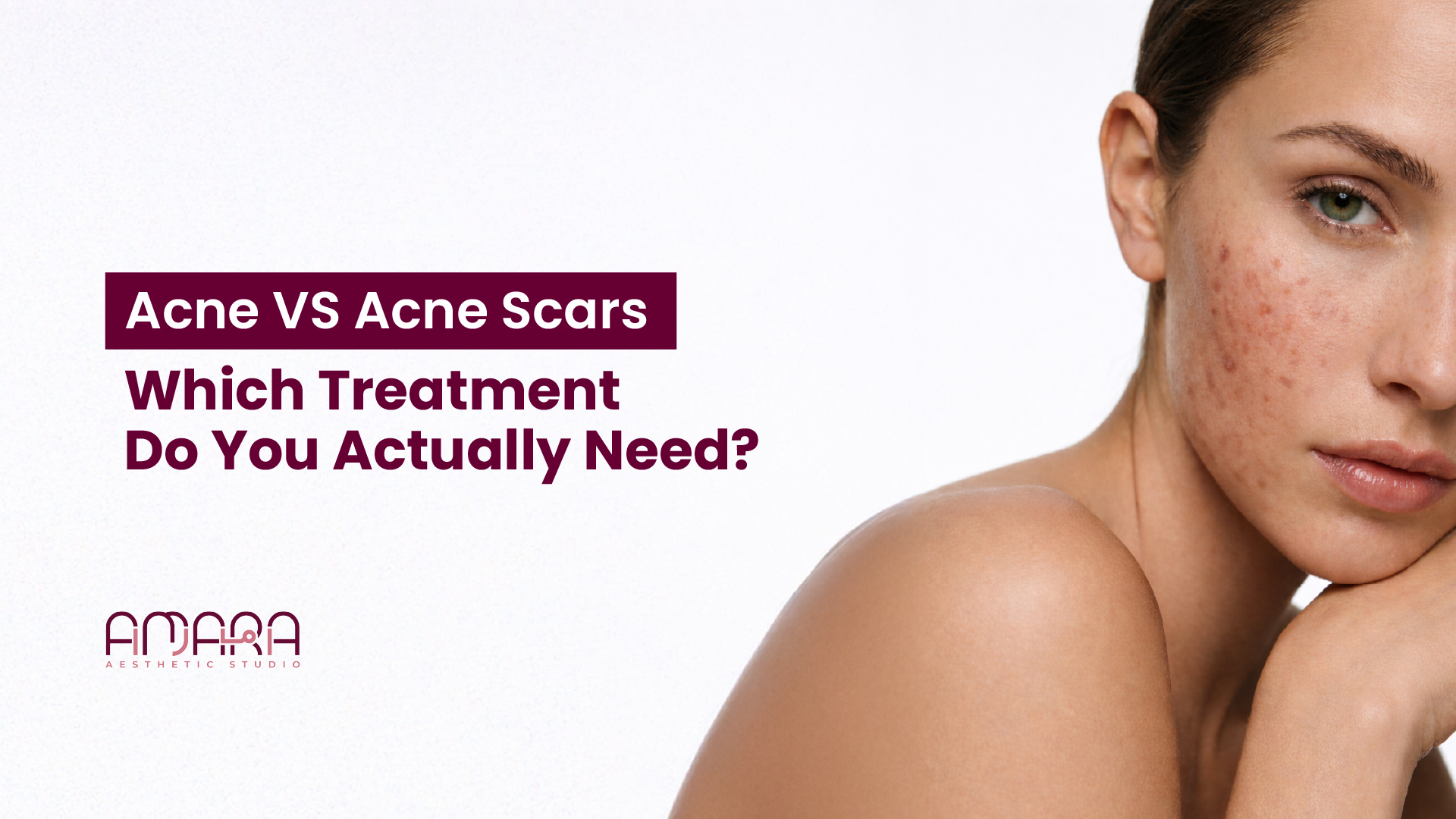
    Acne is what’s happening right now on your skin. It shows up as pimples, whiteheads, blackheads, redness, and swelling. It means your skin is still dealing with breakouts and inflammation. 

    Acne scars, on the other hand, are what’s left after the acne is gone. They appear as dark spots, marks, dents, or uneven textures on the skin. These don’t mean you still have acne; they are signs that your skin is healing from past breakouts. 

    In simple words: 

    • Acne = Active problem (current pimples and irritation)
    • Acne Scars = Past marks (left behind after acne heals) 

    Understanding this difference is important because acne needs treatment to prevent new breakouts, while acne scars require specialised care to improve skin texture and tone. Treating the right problem helps you get clearer, smoother skin faster.

    What Is Acne?

    Acne is a common skin condition that occurs when pores become clogged with oil, dead skin, and bacteria. This leads to pimples, bumps, and inflammation on the face and body. It can affect both teens and adults and is often triggered by hormones, stress, and lifestyle habits. 

    Common Signs of Active Acne 

    • Pimples, Pustules, and Cysts
    • Redness, Swelling, and Pain
    • Ongoing Breakouts 

    Common Causes of Acne 

    • Excess Oil
    • Hormonal Changes
    • Bacteria
    • Lifestyle & Stress
    • Heat & Humidity (Dubai Climate) 

    What Are Acne Scars? 
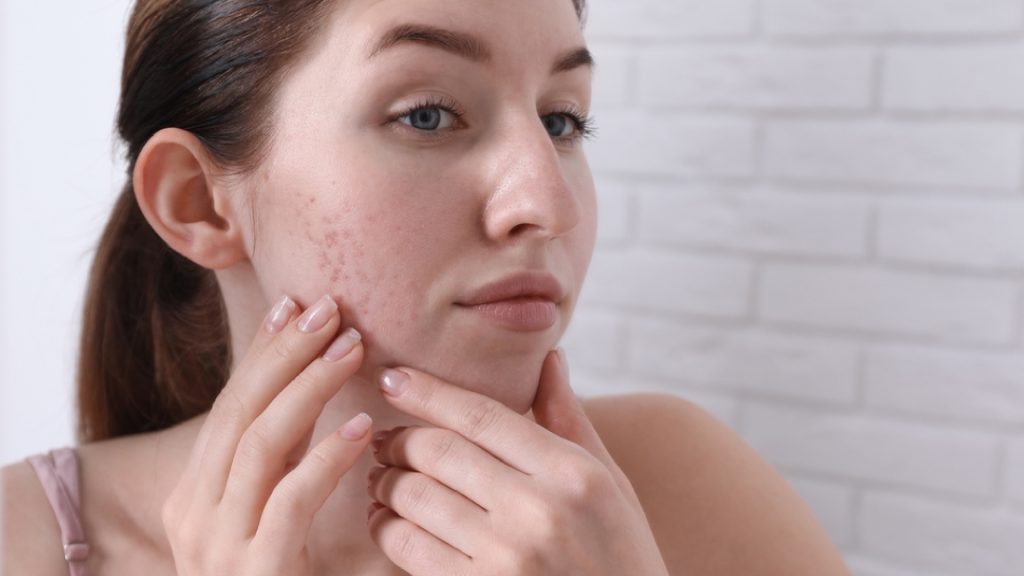
    What Are Acne Scars?

    Acne scars are marks left behind after pimples heal. They happen when acne damages the deeper layers of the skin, affecting its natural healing process. Some scars change the skin’s texture, while others leave dark spots that fade over time. 

    How Acne Turns into Scars 

    • Inflammation Damages Skin
    • Delayed or Wrong Treatment
    • Picking or Squeezing Pimples 

    Types of Acne Scars 

    • Atrophic Scars
    • Post-Inflammatory Hyperpigmentation (PIH)
    • Raised Scars (Rare)

    Acne vs Acne Scars: Best Treatments & Proven Solutions 

    Understanding the difference between acne and acne scars is important for choosing the right skincare approach.  

    While acne treatment focuses on controlling breakouts and healing active skin issues, effective acne scar solutions work to reduce marks and restore smooth, healthy-looking skin. 

    Feature Acne  Acne Scars  
    What it is Active pimples, blackheads, or whiteheads Marks or damage left after acne heals 
    Stage Current skin problem Result of past acne 
    Appearance Red bumps, pus-filled pimples, clogged pores Dark spots, pits, or uneven skin 
    Pain Can be painful or itchy Usually painless 
    Duration Temporary (comes and goes) Long-lasting or permanent 
    Cause Oil, bacteria, clogged pores, hormones Skin damage from severe or untreated acne 
    Treatment Face wash, creams, medicines Laser, peels, microneedling, skincare 
    Healing Time Days to weeks Months to years 

    How to Understand Your Acne & Scars? 

    Not sure whether you’re dealing with active acne or old acne scars? Think of your skin like a storybook. Every mark tells a story; you just need to read it right. 

    Ask yourself these easy questions: 

    • Are new pimples still coming?
      • If yes, your acne is still active and needs calming care.
    • Is there pain, swelling, or redness? 
      • Painful or red bumps mean inflammation is still happening.
    • Are the marks flat or sunken? 
      • Flat, dark spots = healing marks
      • Indented or uneven skin = acne scars
    • Has your acne already stopped? 
      • If breakouts are gone but marks remain, you’re in the scar-repair stage.

    That’s why a professional skin check is always the best. Consulting with a trained expert like Amara Aesthetic Studio can help you treat your skin properly and guide you to the right treatment, no guessing, no wasting time. 

    What are the Effective Treatments for Active Acne?
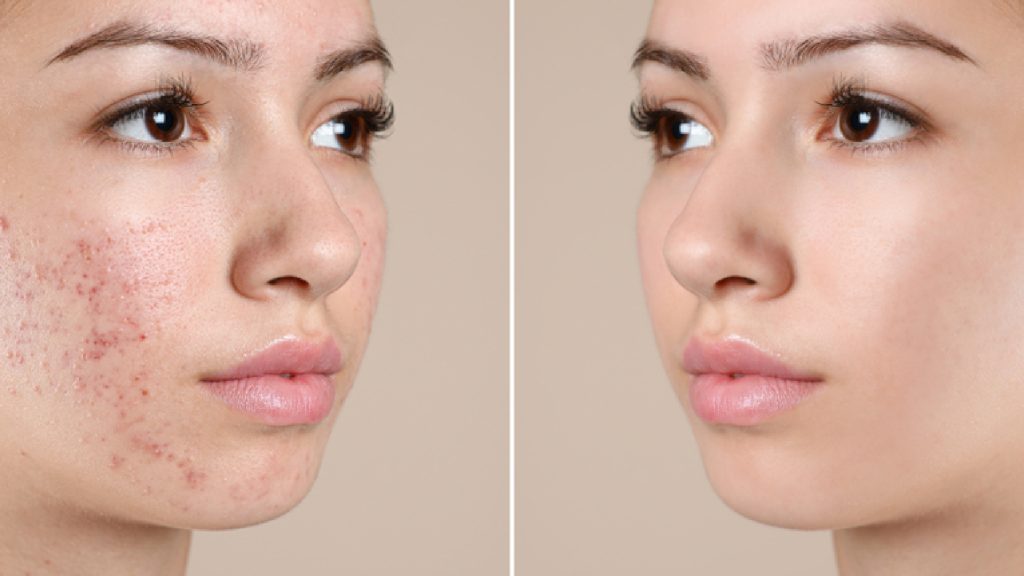
    What are the Effective Treatments for Active Acne?

    Treating active acne isn’t quick fixing; it’s about choosing the right solution based on your skin type and concern. The right approach can reduce breakouts, calm inflammation, and improve overall skin health. Here are some proven treatments that work: 

    • Medical-Grade Facials 

    These facials deeply cleanse the pores, remove excess oil, and soothe inflamed skin. Designed specifically for acne-prone skin, they help prevent new breakouts while improving skin texture.

    • Chemical Peels 

    Chemical peels gently exfoliate the top layer of the skin, unclog pores, reduce acne-causing bacteria, and fade marks from recent breakouts. With regular sessions, skin looks clearer and smoother.

    • Hormonal & Lifestyle Management 

    Acne is often linked to hormones, stress, diet, and sleep habits. Managing these factors alongside proper skincare can significantly reduce breakouts. Staying hydrated, eating balanced meals, managing stress, and maintaining a healthy routine all make a real difference. 

    What are the Effective Treatments for Acne Scars? 

    Acne scars are different from active breakouts. They appear after acne has healed and often need more targeted care. The right treatment depends on the type of scar and how your skin responds to healing. Here are some effective options for improving acne scars: 

    • Q Switch Laser for Acne Scars 

    It helps reduce acne scarring by delivering targeted laser energy that breaks down scar tissue and stimulates new collagen production. It’s a quick, minimally invasive treatment with minimal downtime, ideal for improving skin texture and tone. 

    • Microneedling / RF Microneedling 

    These treatments create tiny micro-injuries to activate the skin’s natural healing process. RF microneedling uses radiofrequency energy for deeper collagen repair. It makes it especially effective for indented acne scars. 

    • Skin Boosters & Regenerative Treatments 

    Skin boosters enhance hydration and skin quality from within, while regenerative treatments support repair and collagen renewal. Together, they help soften scars and gradually improve skin texture. 

    • Chemical Peels for Pigmentation Scars 

    For dark marks left after acne, chemical peels gently exfoliate the skin and even out uneven tone. They are particularly helpful for post-acne pigmentation and discolouration. 

    Can Acne and Acne Scars Be Treated Together? 
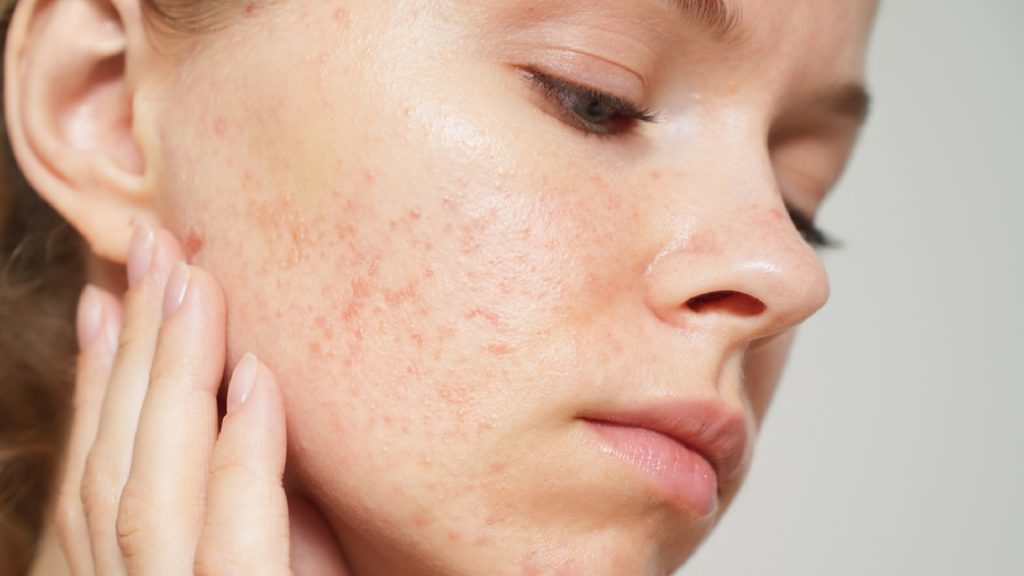
    Yes, but timing matters. Active acne needs to be controlled first because ongoing breakouts keep the skin inflamed and can worsen scars if treated too early. 

    Once acne is under control, doctors usually follow a combination treatment plan, mixing acne-control treatments with procedures that improve texture and fade marks. 

    The best results come from a phased approach: 

    1. Clear active acne
    2. Treat scars and dark spots 
    3. Maintain results with proper skincare 

    Why Early Treatment Matters? 

    Delaying acne treatment can make skin concerns worse over time. The climate plays a big role in how acne and scars develop, and why early care is so important. 

    • Strong sun exposure: Dubai’s intense UV rays can darken acne marks, making pigmentation scars more stubborn and long-lasting.
    • Heat boosts oil production: High temperatures increase sweating and oil production, leading to clogged pores and frequent breakouts.
    • Higher risk of scarring: More breakouts mean more inflammation, which raises the chances of permanent scars.
    • Early treatment prevents damage: Addressing acne early protects skin structure and reduces long-term marks.
    • Faster, better results: Early intervention makes treatments more effective and easier on the skin.

    Home Care vs. Professional Treatment: Which Is Right for You? 

    When it comes to managing acne and scars, both home care and professional treatments play a role, but they don’t deliver the same results. 

    Home Care is great for daily maintenance. It helps prevent mild acne, keeps your skin clean, and supports overall skin health. However, it has a limited impact on deep scars and stubborn marks. At best, it works as a support system, not a complete solution. 

    Professional Care, on the other hand, goes deeper. It treats the root cause of acne, repairs damaged skin layers, and delivers visible improvement in scars and pigmentation. These treatments are designed to correct skin concerns, not just maintain them. 

    Why Choose Amara Aesthetic Studio for Your Skin Care Needs? 

    At Amara Aesthetic Studio, we don’t believe in “one-treatment-fits-all.” Your skin is unique, and so is your journey. 

    Our personalised treatments are designed to: 
    ✔ Clear breakouts 
    ✔ Fade marks 
    ✔ Heal scars 
    ✔ Restore confidence 

    We focus on understanding your skin first, then creating a plan that truly works for you. 

    Here’s How We Do It: 

    • Medical-Grade Facials: Deep cleansing and skin renewal
    • Chemical Peels: Remove dead skin and improve texture
    • Dermal Treatments for Deep Scars: Target stubborn scars at the root
    • Microneedling with RFBoost collagen and tighten skin
    • MicroneedlingSmooth texture and reduce marks
    • Stem Cell TherapyRepair and regenerate damaged skin
    • Exosome TherapyAdvanced healing for faster, visible results

    At Amara, we combine science, technology, and care to help you achieve healthy, confident skin, naturally and effectively. 

    When Is It Time to Consult a Skin Specialist? 

    Not all acne goes away with face washes and home remedies, and that’s okay. Here’s when it’s a good idea to get professional help: 

    • Acne lasting 3–6 months or more: If breakouts just won’t clear up, even after consistent skincare, it’s time to see an expert.
    • Painful or cystic acne: Deep, painful pimples beneath the skin can lead to scarring if left untreated.
    • Visible scarring or dark marks: These are signs that your skin needs targeted treatment, not trial-and-error solutions.
    • Recurrent breakouts despite skincare: If acne keeps coming back no matter what you try, a dermatologist can identify the root cause and fix it.

    Seeing a dermatology expert early can help prevent long-term skin damage and get you clearer, healthier skin, faster. That’s where Amara steps in. Our expert dermatologists are here to guide you through every skin concern, with care that’s customised just for you. 

    Choose the Right Acne vs Acne Scars Treatment with Amara! 

    Acne and acne scars may look similar, but they need very different care. Treating active breakouts like scars (or scars like acne) only delays results and adds frustration. Once you understand what your skin is really asking for, the journey becomes much simpler and more effective. The right acne vs acne scars treatment saves time, protects your skin, and brings visible improvement faster. 

    At Amara Aesthetic Studio, we focus on clarity, not confusion. Whether your skin needs calming acne control or advanced acne scar solutions to repair texture and marks, our experts create a personalised plan that works with your skin and Dubai’s climate. Healthy skin isn’t about trying everything; it’s about choosing what’s right for you.

    Ready to take the first step toward clear, confident skin? Drop us a mail at info@amaraclinics.ae or call us on +971 04 562 0909.

    Frequently Asked Questions: Acne & Acne Scar Treatment

    Q1. Can acne scars fade on their own?

    Some mild marks, like dark spots, may fade over time with good skincare and sun protection. However, deep or textured scars usually don’t resolve on their own and require professional acne scar treatments for visible improvement.

    Q2. Is laser treatment safe for acne scars?

    Yes, when done by trained professionals, laser treatment is safe and effective. It helps boost collagen, smooth skin texture, and reduces the appearance of scars. It’s one of the most trusted options in modern acne and acne scar treatment plans.

    Q3. Can acne scars come back?

    Once a scar is properly treated, it usually doesn’t come back. However, new acne breakouts can lead to new scars. That’s why combining acne control with long-term acne scar solutions is important.

    Q4. How long does acne scar treatment take?

    It depends on the type and depth of scars. Some people see results in a few weeks, while others may need multiple sessions over 3–6 months. A personalised acne vs acne scars treatment plan gives the best outcome.

    Q5. Is acne treatment different for men and women?

    The basic treatment is similar, but skin type, hormones, lifestyle, and shaving habits can affect results. That’s why customised acne and acne scars treatment works better than one-size-fits-all solutions.
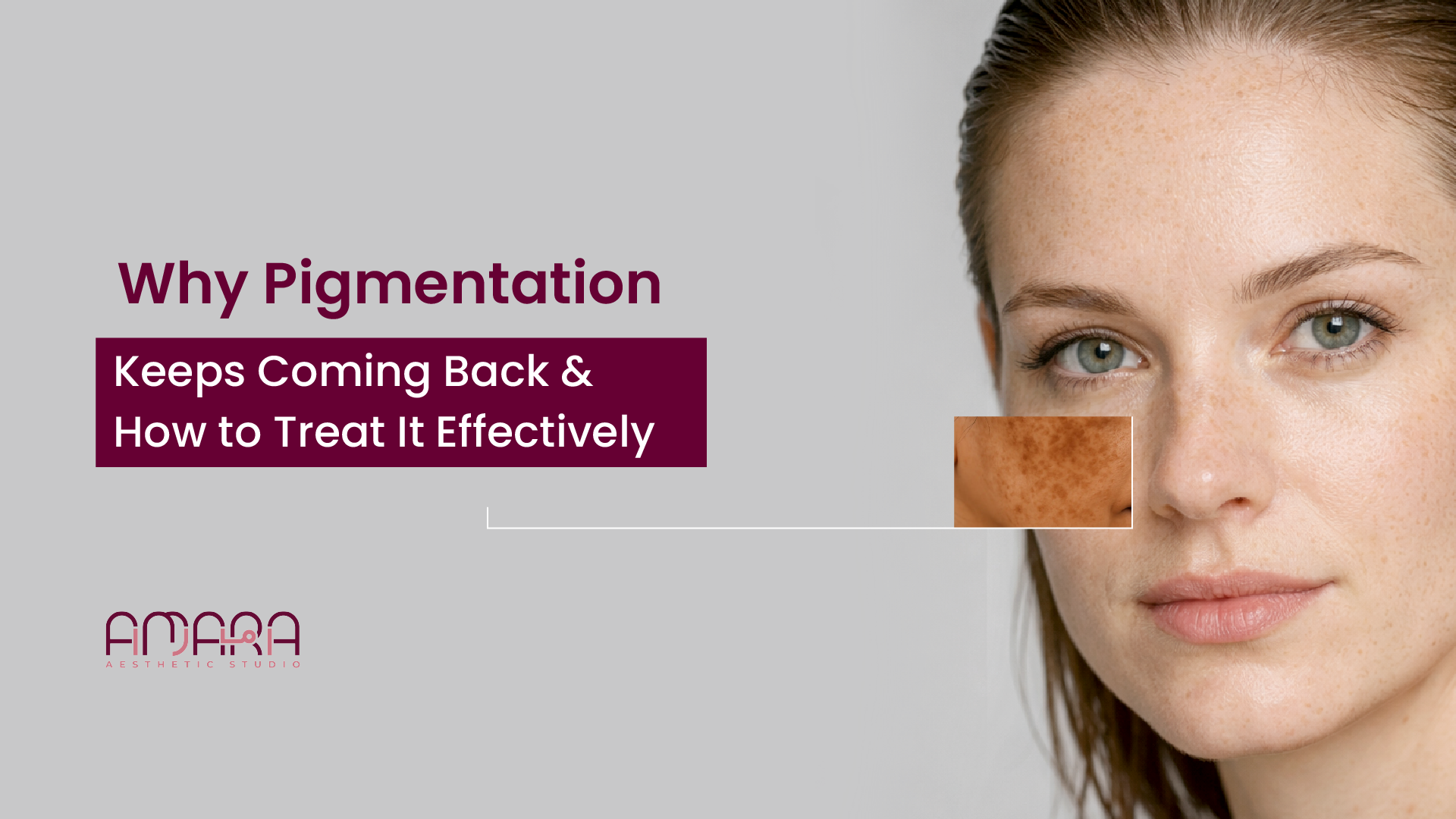
  • Why Pigmentation Keeps Coming Back & How to Treat It

    Why Pigmentation Keeps Coming Back & How to Treat It

    Dark spots are fading today and reappearing tomorrow? It can feel frustrating, almost like your skin is playing a never-ending game with you. Just when you think you’ve won, pigmentation quietly makes a comeback. 

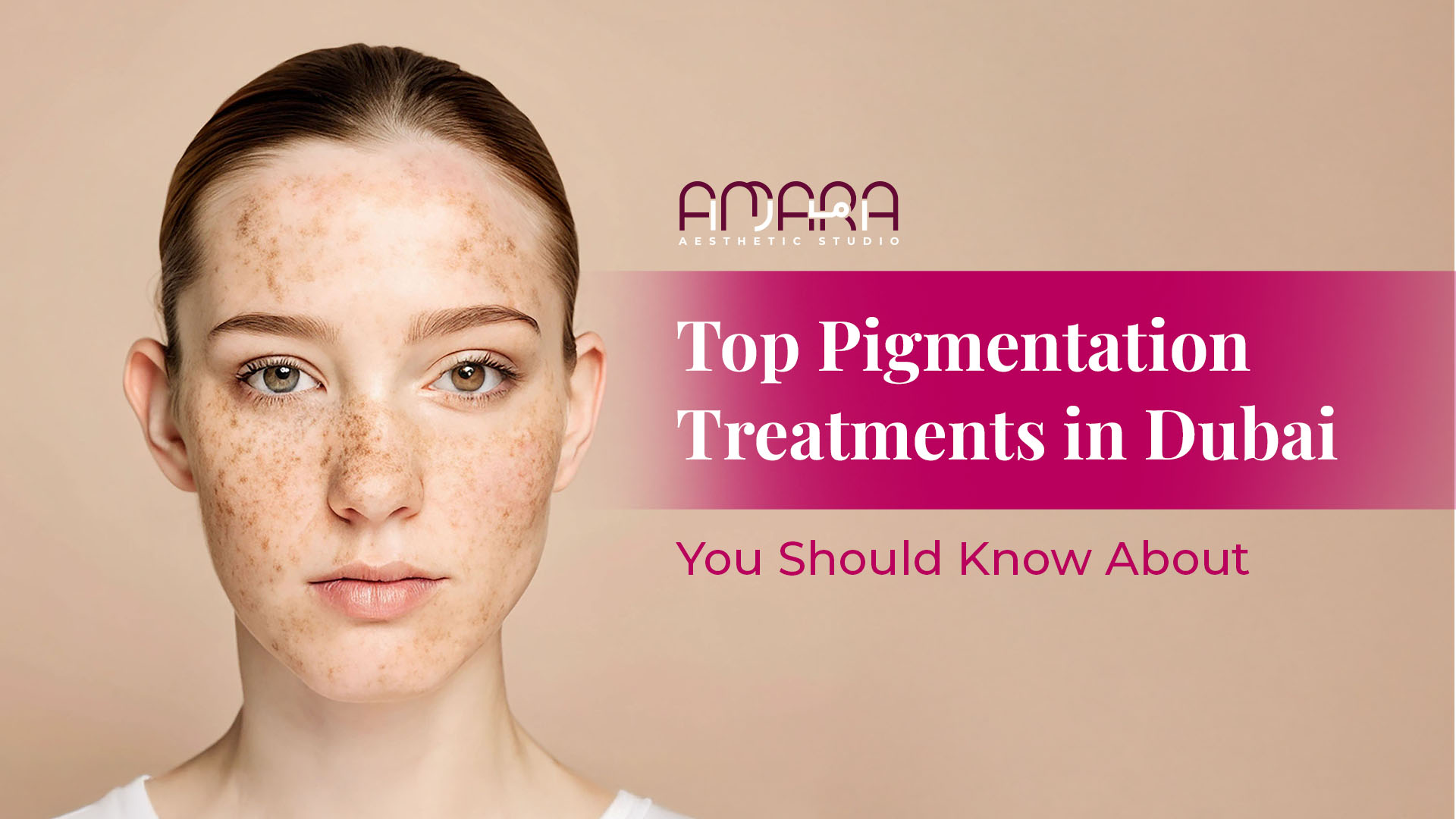
    Skin pigmentation happens when your skin produces extra melanin, leading to uneven tone and stubborn patches. From sun exposure and hormonal changes to daily habits and skincare mistakes. There are many causes of skin pigmentation that often go unnoticed but play a major role in recurring dark spots. 

    In Dubai’s harsh climate, intense sunlight and high temperatures increase the risk of skin pigmentation, as constant UV exposure triggers excess melanin production. Without proper care, maintaining clear, healthy skin becomes challenging. 

    That’s where professional treatment makes a real difference. Instead of temporary fixes, expert solutions target the root of pigmentation. At Amara Aesthetic Studio, advanced technology and personalised treatments help deliver long-lasting results. 

    In this blog, we’ll explore some common causes of pigmentation and why professional treatment is important. 

    Understanding Skin Pigmentation & Its Causes

    Skin pigmentation occurs when your skin produces excess melanin, resulting in dark spots and an uneven tone. In sunny cities like Dubai, this problem is even more common due to strong exposure to UV. Let’s look at the main skin pigmentation causes and why it often comes back. 

    Common Causes and Types of Skin Pigmentation in Dubai

    Skin pigmentation is a common concern in Dubai due to strong sunlight, pollution, and busy lifestyles. It usually occurs when your skin produces excess melanin, leading to dark spots and an uneven skin tone. 

    Main Causes of Pigmentation 

    Pigmentation can develop because of: 

    • Excessive Sun Exposure: Strong UV rays stimulate melanin production, leading to tanning, dark patches, and sunspots.
    • Hormonal Changes: Pregnancy, PCOS, stress, and birth control pills can trigger hormonal pigmentation like melasma.
    • Acne and Skin Injuries: Pimples, cuts, burns, and irritation often leave dark marks after healing.
    • Genetics: If pigmentation runs in your family, you may be more likely to develop it.
    • Certain Medications: Some medicines make your skin more sensitive to sunlight.
    • Pollution and Improper Skincare: Dust, pollution, and using the wrong products can damage the skin and worsen pigmentation.

    Common Types of Pigmentation Problems

    Common Types of Pigmentation Problems

    Understanding your pigmentation type helps in choosing the right treatment: 

    1. Melasma

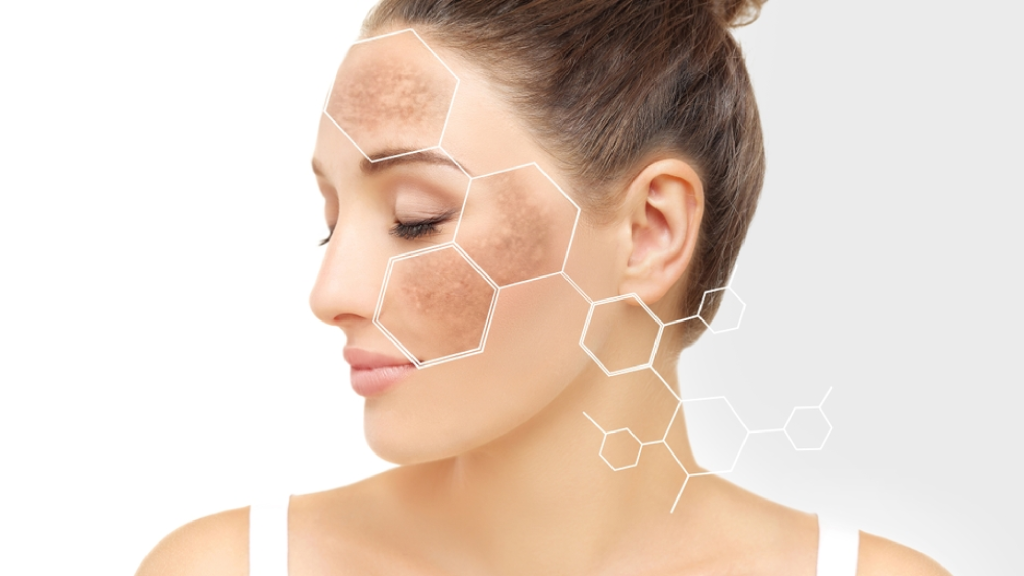
    Appears as brown or grey patches on the cheeks, forehead, and upper lip. It is mainly caused by hormonal changes and sun exposure and needs long-term care. 

    2. Sunspots 

    Caused by prolonged sun exposure, these spots usually appear on the face, hands, and shoulders and become more visible with age. 

    3. Post-Inflammatory Hyperpigmentation (PIH) 

    Develops after acne, burns, or skin injuries. It leaves dark marks that fade slowly without proper treatment. 

    4. Freckles 

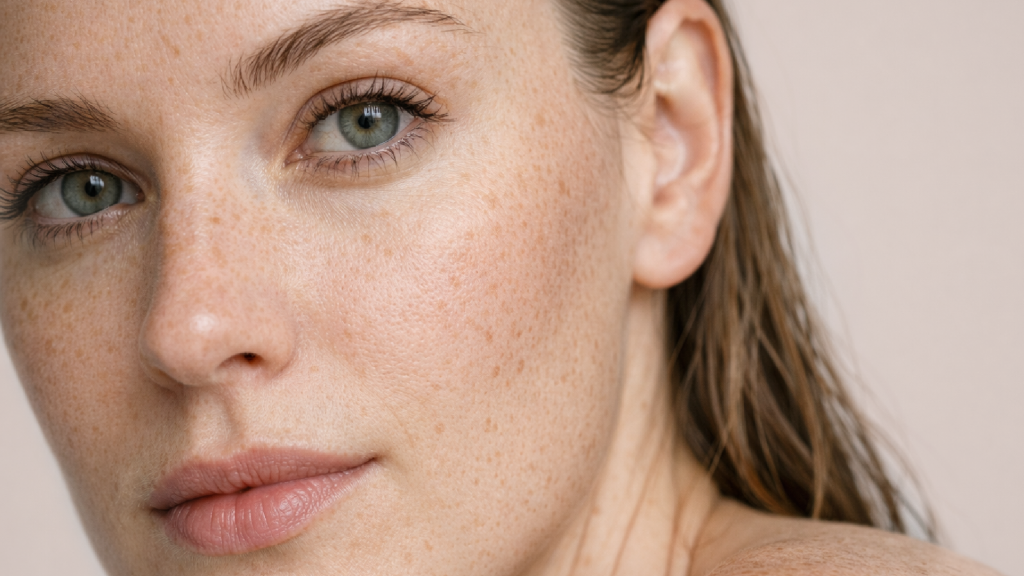
    Small light-to-dark brown spots, usually genetically in origin. They become darker with sun exposure and are more common in people with fair skin. 

    Why Does Pigmentation Keep Coming Back? 

    Many people see temporary results, but pigmentation returns because the real cause isn’t treated. 

    Here’s why: 

    • Skipping sunscreen
    • Treating only the surface, not melanin production
    • Ignoring hormonal issues
    • Inconsistent skincare
    • Delaying professional treatment

    Without proper care, new pigment continues to form under the skin. 

    Types of Pigmentation You Should Know

    Types of Pigmentation You Should Know

    With the right hyperpigmentation treatment in Dubai, you can effectively manage and reduce dark spots and uneven skin tone. Below are the main treatment types of pigmentations:  

    1. Laser Q-Switch Treatment

    A Laser Q-Switch uses high-intensity light to break down excess pigment in the skin, helping reduce dark spots, sun damage, and uneven skin tone without harming the surrounding tissue. It improves skin clarity and brightness, giving you a more even and glowing complexion with regular sessions. The cost starts at AED 399. 

    2. Chemical Peels for Brightening 

    Chemical peels remove the top layer of dead skin cells and promote the growth of new, healthy skin. They help reduce dullness, lighten dark patches, and improve skin texture, making the skin look fresher and more radiant. The cost starts at AED 700. 

    3. RF Microneedling (Adjunct) 

    RF microneedling combines tiny needles with radiofrequency energy to stimulate collagen production and repair damaged skin. It helps reduce pigmentation, smooth the skin, and enhance the results of other pigmentation treatments. 

    4. Skin Boosters 

    Skin boosters deeply hydrate and nourish the skin from within. They improve skin elasticity, restore glow, and support faster healing. Moreover, it makes them a useful addition to hyperpigmentation treatment plans. 

    5. Medical-Grade Brightening Facials 

    Medical-grade brightening facials use professional strength products to target dark spots and dullness. These facials cleanse the skin deeply, improve brightness, and provide instant freshness with regular sessions. 

    6. Combination Protocols 

    Combination protocols involve using two or more treatments together, such as lasers, peels, and skin boosters. This customised approach delivers faster, longer-lasting results and is often recommended for complex pigmentation issues. 

    Professional Pigmentation Treatments in Dubai 

    Professional Pigmentation Treatments in Dubai

    If you are struggling with uneven skin tone, dark spots, or stubborn marks, professional pigmentation treatment in Dubai offers safe and effective solutions.  
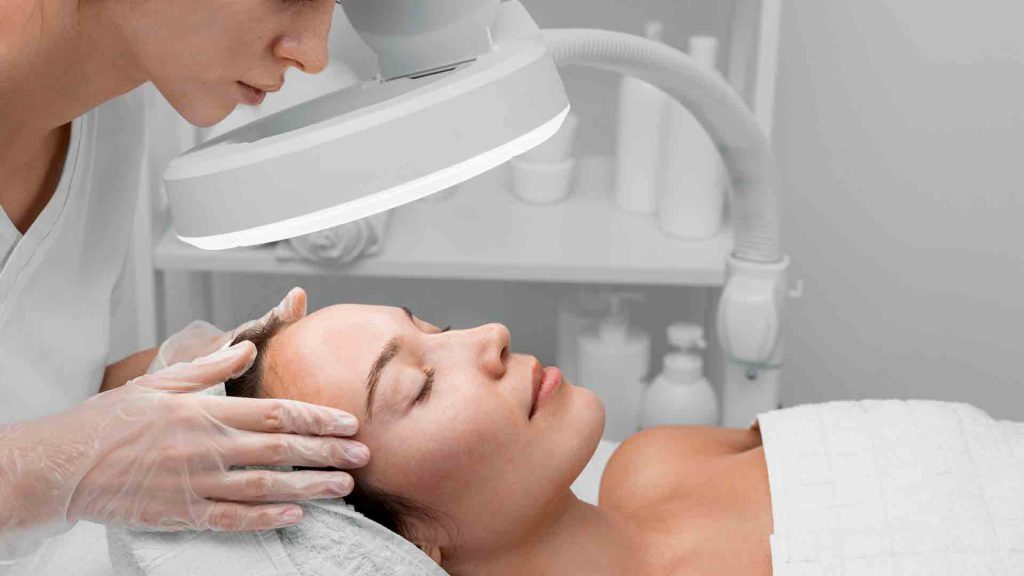
    Advanced clinics use modern technology and medical-grade skincare to deliver visible and long-lasting results. Below are the most popular and trusted methods for pigmentation removal that patients rely on.

    1. Laser Therapy 

    Laser therapy is one of the most advanced treatments for skin pigmentation. It works by delivering focused light energy into the skin to break down excess melanin (a dark pigment). The body then naturally removes these pigment particles. 

    Benefits: 

    • Targets deep and stubborn pigmentation
    • Improves skin clarity and brightness
    • Suitable for sunspots, melasma, and age spots
    • Minimal downtime 

    This is a highly effective option for long-term pigmentation treatment in Dubai. 

    2. Chemical Peels 

    Chemical peels use special medical solutions to exfoliate the top layers of skin. They remove dead cells and damaged skin, allowing fresh and healthier skin to appear. 

    Benefits: 

    • Reduces dark spots and dullness
    • Improves skin texture
    • Boosts skin renewal
    • Enhances glow

    Chemical peels are ideal for mild to moderate pigmentation and regular skin maintenance. 

    3. Microneedling 

    Microneedling creates tiny micro-injuries in the skin using fine needles. These stimulate natural collagen production and improve skin repair, helping fade pigmentation over time. 

    Benefits: 

    • Improves skin healing
    • Reduces acne marks and dark patches
    • Enhances product absorption
    • Makes skin firmer and smoother

    It is often combined with serums for better pigmentation removal in Dubai clinics. 

    4. Medical Facials 

    Medical facials are professional skin treatments performed by trained specialists. They combine deep cleansing, exfoliation, hydration, and targeted pigmentation solutions. 
    Benefits: 

    • Brightens skin tone
    • Removes surface pigmentation
    • Improves skin health
    • Provides instant freshness

    Unlike regular salon facials, medical facials use clinical-grade products for better results. 

    5. Advanced Skincare 

    Advanced skincare includes dermatologist-approved products and customised routines. These treatments work alongside clinical procedures to prevent pigmentation from returning. 

    Benefits: 

    • Controls melanin production
    • Protects skin from sun damage
    • Maintains treatment results
    • Improves overall skin quality 

    A personalised skincare plan is essential for long-term pigmentation treatment in Dubai. 

    Trusted Pigmentation Treatments at Amara Aesthetic Studio

    When it comes to treating pigmentation effectively, choosing expert care makes a real difference. Professional skin clinics in Dubai offer better treatments for pigmentation than home remedies and store-bought products. 

    At trusted clinics like Amara Aesthetic Studio, you benefit from: 

    • Detailed Skin Analysis: Specialists examine your skin type, pigmentation depth, and triggers before starting treatment.
    • Customised Treatment Plans: Every client receives a personalised plan based on their skin concerns and goals.
    • Medical-Grade Products & Technology: Clinics use clinically approved products and modern equipment to deliver safe, effective results.
    • Clinically Proven Skin Treatments: All procedures are guided by skin experts using proven methods.
    • Long-Term Results: The focus is not just on removing pigmentation but also preventing it from returning.
    • Safe & Proven Methods: Treatments are designed to be gentle, reliable, and suitable for different skin types.

    At Amara Aesthetic Studio, clients receive advanced pigmentation treatment in Dubai with customised solutions for long-lasting results. With modern technology, expert care, and personalised skincare plans, Amara ensures your skin gets the attention it truly deserves.

    Achieve Long-Lasting Pigmentation-Free Skin with Amara!  

    Pigmentation is a common concern in Dubai’s climate, often caused by sun exposure, hormonal changes, acne scars, and improper skincare. Understanding these causes is the first step toward effective treatment. When left untreated, dark spots can return, making it difficult to maintain clear, even-toned skin. 

    That’s why professional care matters. A professional-guided pigmentation treatment in Dubai focuses on controlling melanin production, repairing damaged skin, and preventing future pigmentation. With advanced technology and personalised skincare, long-lasting results are possible.

    Trusted pigmentation care skin clinics in Dubai, such as Amara Aesthetic Studio, provide customised hyperpigmentation treatment in Dubai using safe, medical-grade solutions. Their expert approach ensures effective pigmentation removal in Dubai while keeping your skin healthy and glowing. 
    Book your consultation today for brighter, clearer skin. Email info@amaraclinics.ae or call +971 54 324 1234 to get started.

    Frequently Asked Questions – Pigmentation

    Q1. Why does my pigmentation keep coming back even after treatment?

    Pigmentation often returns when the root cause, such as sun exposure, hormonal imbalance, or improper skincare, is not addressed. Without consistent sunscreen use and professional guidance, new melanin continues to form under the skin.

    Q2. Can pigmentation be treated permanently?

    Pigmentation can be significantly reduced and controlled with professional treatment and proper skincare. While some types (like melasma) need long-term management, consistent care can prevent frequent recurrence.

    Q3. Is sunscreen really necessary for pigmentation treatment?

    Yes, sunscreen is essential. UV rays trigger melanin production, which worsens dark spots. Daily use of broad-spectrum SPF is one of the most important steps in preventing pigmentation from returning.

    Q4. Which treatment works best for pigmentation in Dubai’s climate?

    In Dubai’s intense sunlight, combination treatments such as laser therapy, chemical peels, and advanced skincare work best. These target deep pigmentation while protecting the skin from environmental damage.

    Q5. How many sessions are needed to see visible results?

    The number of sessions depends on your skin type and pigmentation depth. Most people see improvement within 3–6 sessions, but stubborn cases may require ongoing maintenance.

    Q6. Can home remedies remove pigmentation?

    Home remedies may offer temporary brightness but cannot treat deep or hormonal pigmentation. Professional treatments are more effective for long-lasting and safe results.

  • Chemical Peels for Pigmentation: Best Winter Treatment in Dubai

    Chemical Peels for Pigmentation: Best Winter Treatment in Dubai

    To begin with, most of us don’t really think about body pigmentation until summer arrives, when sleeveless outfits, beach plans, and bright daylight suddenly make everything more noticeable. Dark underarms.

    Uneven elbows. Pigmented knees. Old acne marks that never quite faded. And then the panic search begins; how to lighten dark underarms, dark elbows treatment, best treatment for Pigmentation.

    Here’s what most of you don’t realize: winter is actually the best time to start chemical peels for Pigmentation treatment. And there’s a very practical reason behind that. During winter, sun exposure is lower, which allows your skin to heal safely after the procedure and reduces the risk of further pigmentation. 

    Through this guide, let’s take a closer look at this. 

    When is the Right Time to Treat Pigmentation in Dubai? 

    In Dubai, sun exposure isn’t seasonal; it is constant. Even a bare minimum of daily exposure increases melanin production. That’s how your skin naturally defends itself from the harmful UV rays. But over time, it leaves behind stubborn discoloration especially in high-friction areas like underarms and elbows. 

    This is why many people struggle with recurring pigmentation even after trying creams or DIY remedies. If you choose pigmentation treatment in Dubai, it has proven to be quite effective as it addresses the deeper layers of pigment, not just what’s visible on the surface. And when it comes to treatments like chemical peel treatment, timing matters. So, hurry up and start your glow-up journey right away! 

    Why Winter Makes a Real Difference?

    After a chemical peel for pigmentation, your skin becomes more sensitive to sunlight for a short period. That’s normal. The treatment works by gently removing the outer layer of damaged skin, allowing fresh, healthier skin to surface. 

    Less sun exposure during winter means: 

    • Lower risk of rebound pigmentation
    • Safer healing
    • More predictable results
    • Better tolerance for structured sessions 

    When we say this, we are not just aligning with the trends but stating the biological facts. If you start in winter, by the time summer arrives, your skin has already gone through renewal cycles and stabilized. 

    What Chemical Peels for Pigmentation Treatment Actually Do? 

    What Chemical Peels for Pigmentation Treatment Actually Do? 

    Let’s try to make it easy for you to understand. So, what happens is that during chemical peels for pigmentation treatment, a carefully selected peeling solution is applied to the skin to gently remove the damaged outer layer. As fresh skin comes to the surface, excess pigmentation gradually starts to fade. 

    Over a series of sessions, you’ll notice: 

    • Gradual lightening of dark patches
    • Smoother skin texture
    • Reduced thickness in pigmented areas like elbows
    • More even tone overall 

    And when done correctly, it works beautifully for body pigmentation treatment as well, not just the face. 

    Areas Where Clients See the Most Improvement

    If we specifically talk about Amara, body-focused treatments are increasingly common. Pigmentation isn’t limited to facial skin. It covers:  

    1. Underarms 

    If you’re considering underarm pigmentation treatment in Dubai, peels can safely reduce discoloration caused by shaving, friction, or product buildup. Many clients searching for dark underarms treatment are surprised at how effective structured sessions can be. 

    2. Elbows 

    Elbow skin is thicker and often neglected. For those wondering how to lighten dark elbows, peels help reduce buildup and gradually brighten the area. It’s one of the most satisfying transformations over time. 

    3. Knees and Back 

    These areas respond well to consistent pigmentation removal treatment, especially when post-inflammatory marks are involved. 

    Are Chemical Peels the Best Treatment for Pigmentation? 

    There’s no single “best” solution for everyone. But for mild to moderate pigmentation, chemical peels are often considered one of the best treatments for Pigmentation options because they: 

    • Are customizable
    • Require minimal downtime
    • Work gradually and safely
    • Can be repeated in cycles 

    Laser treatments may be recommended for deeper pigmentation, but peels are often the starting point; especially for body areas. 

    What the Chemical Peel Process Looks Like? 

    What the Chemical Peel Process Looks Like? 

    The process begins with a detailed consultation where your skin type, lifestyle, friction habits, and shaving routine are carefully assessed because every detail matters. Based on this evaluation, a customized peel is selected, as not every skin tone reacts the same way, especially in a city like Dubai where sun exposure remains high throughout the year.  

    During the session, you may experience mild tingling, but the procedure itself is quick and comfortable. In the days that follow, slight dryness or flaking can occur, which is completely normal. Results appear gradually, which is how safe and effective treatments should work. For most people, 3 to 6 sessions are recommended to see visible improvement, particularly for underarm whitening treatment or elbow skin lightening. 

    Why Pigmentation Keeps Coming Back? 

    We are sure that this question has crossed your mind more than once. To answer this, Pigmentation isn’t just about color. It’s often about friction, irritation, and inflammation. 

    Common triggers include: 

    • Frequent shaving
    • Tight clothing
    • Harsh deodorants
    • Hormonal shifts
    • Sun exposure
    • Dead skin buildup

    Without addressing these, even the most effective chemical peel treatment won’t deliver long-term results. 

    Aftercare: Where Most People Go Wrong

    Results don’t just depend on the procedure. After-care also makes a huge difference. Following the below-mentioned aftercare guidelines, consistently protect your investment and prevent recurrence.

    Post-treatment care usually includes: 

    • Strict sunscreen use
    • Avoiding friction on treated areas
    • Gentle moisturization
    • Temporary pause on shaving
    • No harsh scrubbing

    Pigmentation can feel frustrating because it’s stubborn. You try products. You exfoliate more. You switch deodorants. And nothing really changes. That’s because surface solutions rarely fix deeper discoloration. Starting chemical peels for pigmentation treatment in winter gives your skin the environment it needs to heal properly and respond gradually.

    At Amara Aesthetic Studio in Dubai, treatments aren’t rushed or standardized. Every pigmentation treatment plan is built after assessing skin tone, its sensitivity, and more. Our goal isn’t aggressive peeling. We focus on steady visible improvement that looks natural.

    Frequently Asked Questions – Chemical Peels

    1. Are chemical peels safe for underarms?

    Yes, when performed professionally. The peel strength is adjusted for sensitive areas. Mild tingling is normal, but downtime is minimal. Proper aftercare ensures safe healing.

    2. How soon will I see visible lightening?

    Texture improves quickly, but visible lightning usually takes 2–3 sessions. Pigmentation fades gradually, not overnight.

    3. Can I do this treatment in the summer?

    It’s possible, but winter is safer due to lower UV exposure. Summer treatments require very strict sun protection.

    4. Is pigmentation likely to come back?

    It can, especially with friction or sun exposure. Maintenance sessions and lifestyle changes help sustain results.

    5. Is the pigmentation treatment painful?

    Most clients describe it as mildly tingly, not painful. Discomfort is minimal and temporary.

  • Hate Needles? Try These Non-Injectable Treatments

    Hate Needles? Try These Non-Injectable Treatments

    If the thought of needles, injections, or constant touch-ups makes you uneasy, you’re not alone. Today, more people are choosing safer, gentler, and more natural ways to enhance their beauty with non-injectable aesthetic treatments. With advanced technology, these treatments now deliver impressive results with little to no pain, minimal downtime, and no “overdone” look.

    From skin tightening to non-surgical facelifts and needle-free rejuvenation, these solutions are transforming the beauty industry in Dubai and beyond. They improve skin texture, boost collagen, and restore a youthful glow, without invasive procedures.

    In this blog, we’ll explore the best needle-free skin treatments, explain how they work, and show why they’re becoming the top choice for those seeking long-lasting, non-surgical treatments with natural-looking results.

    Why Are More People Choosing Skin Treatments Without Injections? 

    Why Are More People Choosing Skin Treatments Without Injections? 

    At Amara Aesthetic Studio, we understand that every client has different comfort levels, preferences, and beauty goals. While injectable treatments continue to be effective and popular for many, not everyone feels at ease with needles, frequent touch-ups, or post-treatment downtime. 

    For this reason, more people today are exploring skin treatments without injections and advanced non-injectable aesthetic solutions that deliver natural-looking results without needles. 

    Over time, some individuals have shared concerns such as: 

    • Discomfort or fear of needles
    • Temporary redness, bruising, or swelling
    • Worries about looking “overdone”
    • The need for regular maintenance sessions
    • Recovery time may affect daily routines

    These factors, especially for those with busy lifestyles, can sometimes feel overwhelming. As a result, many clients now prefer gentle, needle-free skin treatments that work in harmony with the skin to enhance texture, firmness, and glow gradually. 

    At the same time, Amara also offers professionally administered injectable treatments for clients who prefer faster, more targeted results. Our experienced medical team carefully recommends the most suitable option, injectable or non-injectable, based on your skin condition, goals, and comfort level. 

    What Are Non-Injectable Aesthetic Treatments? 

    Non-injectable aesthetic treatments are modern beauty procedures that improve your skin without using needles, fillers, or Botox.

    These aesthetic treatments focus on naturally healing and strengthening your skin. Instead of adding anything artificial to your face, they help your skin heal, strengthen, and glow on its own.

    Here’s how they work in an easy way: 

    • Boost natural collagen and elastin
    • Tighten skin from the inside
    • Improve hydration and blood flow
    • Repair daily damage
    • Support natural skin renewal 

    Non-injectable treatments don’t “fill” your face. They train your skin to look better on its own, giving you long-lasting, natural, youthful results through pain-free, downtime-free non-surgical treatments. 

    Top Needle-Free Skin Treatments in Dubai, UAE 

    If you want youthful, glowing skin without needles or frequent injections, these needle-free skin treatments and injectable alternatives offer safe, natural, and long-lasting results. 

    1. Skin Tightening with RF & Ultrasound Technology 

    Radiofrequency (RF) and ultrasound treatments use controlled heat to reach the deeper layers of your skin without damaging the surface. They are widely known for effective skin tightening and non-surgical facelift results. 

    This gentle heat boosts your body’s natural collagen production, the protein that keeps your skin firm, smooth, and youthful. As new collagen forms, your skin gradually becomes tighter, stronger, and more lifted. 

    Benefits: 

    • Firms lose or sagging skin
    • Improves skin elasticity and texture
    • Smoothens fine lines and wrinkles
    • Defines facial shape and contours
    • Makes skin look fresher and younger 

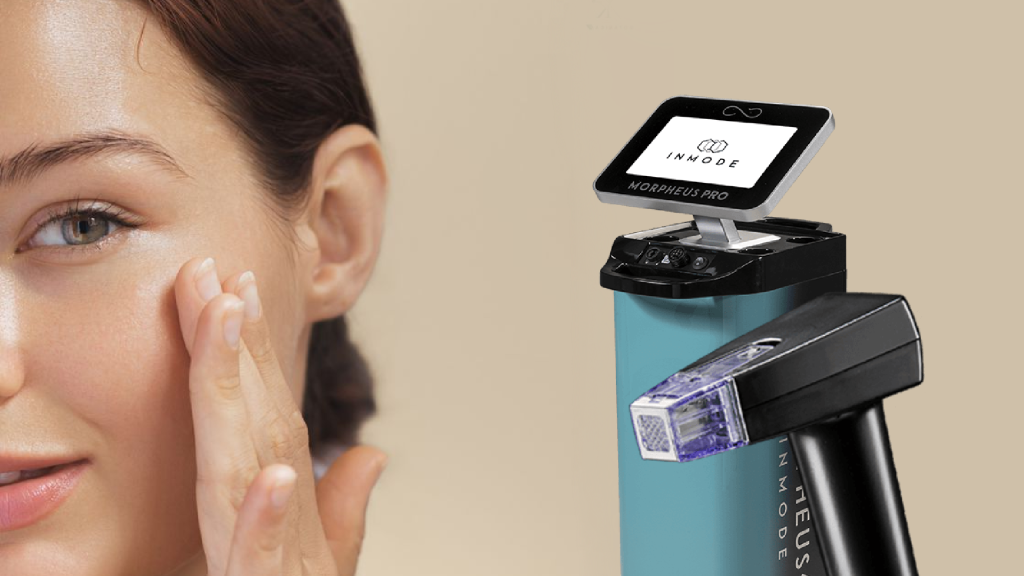
    2. Morpheus Pro: Advanced RF Microneedling 

    Morpheus Pro: Advanced RF Microneedling 

    Morpheus Pro is an advanced skin treatment that combines tiny microneedles with radiofrequency (RF) energy to target the deeper layers of your skin. It is commonly used in long-lasting, non-surgical treatments for skin rejuvenation. 

    The micro-needles create controlled openings, while RF heat boosts natural healing and collagen production. This dual action helps your skin repair, renew, and strengthen itself from within. 

    Benefits: 

    • Improves rough and uneven skin texture
    • Fades acne scars, marks, and pigmentation
    • Firms and tightens loose or sagging skin
    • Boosts collagen for long-term skin health
    • Makes skin look smoother and clearer

    3. Laser Skin Rejuvenation

    Laser skin rejuvenation uses focused light energy to gently remove damaged skin cells and stimulate fresh, healthy skin growth. It is one of the most popular skin treatments without injections for long-term skin improvement. 

    At the same time, it boosts collagen production, helping your skin repair itself from within. This makes your skin clearer, brighter, and more even over time, without injections or surgery. 

    Benefits: 

    • Reduces sun damage and pigmentation
    • Lightens dark spots and uneven tone
    • Enhances your natural glow
    • Smoothens rough and dull skin
    • Improves overall skin clarity

    4. Skin Boosters Through Microneedling (Without Heavy Fillers)

    This treatment uses tiny, gentle microneedles to create micro-channels in your skin. It helps powerful skin boosters like vitamins, peptides, and hydrating serums reach deeper layers where they work best. It supports natural rejuvenation through non-injectable aesthetic treatments. 

    Instead of adding artificial volume like fillers, this method helps your skin nourish, repair, and hydrate itself naturally. 

    Benefits: 

    • Provides deep, long-lasting hydration
    • Gives soft, natural-looking plumpness
    • Improves skin elasticity and strength
    • Makes skin look fresh and healthy
    • Enhances glow and smoothness 

    5. Medical-Grade Facials for Long-Term Skin Health 

    Medical-grade facials are advanced, dermatologist-approved treatments that go beyond regular salon facials. They play an important role in maintaining results from needle-free skin treatments.

    Designed to deeply cleanse, repair, and nourish your skin with professional-grade products and technology. However, these facials improve your skin’s health from the inside out. It offers more than just a temporary glow. 

    Benefits: 

    • Deeply cleans clogged and enlarged pores
    • Removes dirt, oil, and dead skin buildup
    • Brightens dull and tired-looking skin
    • Boosts blood circulation for a natural glow
    • Helps maintain healthy skin over time

    Are Non-Injectable Treatments Long-Lasting? 

    Yes, when done the right way and cared for properly. These treatments don’t just work on the surface. They improve your skin from within by boosting collagen, supporting skin tightening, and improving texture over time. That’s why the results often feel more real and sustainable. 

    What Affects How Long Results Last? 

    How long your results stay visible depends on a few important things: 

    • Your age and skin type
    • Your lifestyle
    • Sun exposure
    • Your skincare routine
    • Treatment frequency

    Is Needle-Free Aesthetic Treatment Right for You? 

    Is Non-injectable Aesthetic Treatment Right for You?

    Needle-free treatments are perfect for people who want great results without pain, fear, or long recovery time. They are ideal for: 

    • First-time users who are new to aesthetic treatments
    • Anyone who feels nervous about needles 
    • Busy professionals with little time for downtime
    • People who prefer soft, natural-looking enhancement
    • Those with sensitive skin
    • Anyone who wants healthy, glowing skin, not drastic changes 

    If you believe in slow, steady, and natural improvements in beauty, non-injectable aesthetic treatments are the right choice. 

    Why Choose Amara Aesthetic Studio in Dubai? 

    At Amara Aesthetic Studio, clients receive advanced aesthetic care backed by medical expertise and advanced technology, specialising in needle-free skin treatments, Non-Surgical Facelift solutions, and skin tightening procedures. 

    What Sets Us Apart: 

    • Experienced medical professionals
    • International safety standards
    • Latest aesthetic equipment
    • Customised treatment plans
    • Multicultural client expertise 

    Located in Al Jaddaf, clients from Jumeirah, Downtown Dubai, Dubai Marina, Business Bay, and across Dubai are proudly served by Amara Aesthetic Studio. Arab, Russian, and international visitors are welcomed for expert, non-injectable aesthetic treatments delivered under professional medical supervision. 

    What Makes Our Treatments Medically Reliable? 

    Your skin deserves expert care, not shortcuts. At Amara, your safety and results come first. That’s why every treatment follows strict medical and clinical standards. 

    Our Medical Expertise Includes: 

    • Qualified and licensed doctors and specialists
    • FDA- and CE-approved equipment
    • Fully sterilised, hygienic treatment rooms
    • High-quality, medical-grade products
    • Regular training to stay updated with the latest techniques 

    With this strong medical foundation, we ensure every client receives safe, ethical, and truly effective care through long-lasting non-surgical treatments, every time. 

    Choose Natural Beauty with Amara 

    Today, beauty is no longer about painful procedures or temporary fixes. It is about caring for your skin in a safe, gentle, and natural way, using trusted alternatives to injectables and advanced needle-free aesthetic treatments. 

    Non-injectable treatments help you enhance your appearance without needles, discomfort, or long recovery periods. They are designed to deliver visible results while maintaining your skin’s natural look and balance. 

    From skin tightening and laser treatments to microneedling and medical-grade facials, these advanced solutions support your skin’s natural healing process and boost its inner glow. Rather than creating sudden changes, they gradually enhance your features through non-surgical facelift and rejuvenation treatments, helping you look refreshed, confident, and naturally radiant. 

    At Amara Aesthetic Studio, we are committed to providing safe, personalised, and effective care. Our experienced professionals and advanced technology ensure you receive exceptional results in a comfortable and welcoming environment. 

    If you’re ready to begin your journey toward healthy, youthful, and glowing skin with non-injectable aesthetic treatments, we’re here to guide you every step of the way. Email us on info@amaraclinics.ae or call us on +971045620909

    Frequently Asked Questions – Non-Injectable Treatments

    1. Are needle-free treatments painful?

    No, these treatments are generally comfortable and pain-free. You may feel a mild warming sensation, gentle tingling, or slight vibration during the procedure, but it is not painful. Most people find it relaxing and don’t need any numbing cream or recovery time.

    2. How many sessions are required?

    The number of sessions depends on your skin type, age, and concerns. On average, most people need 3 to 6 sessions for visible, lasting results with non-surgical treatments. Your skincare professional will create a personalised treatment plan based on your skin needs.

    3. Are the results permanent?

    The results are long-lasting but not permanent. Since your skin naturally ages and is affected by lifestyle and environment, occasional maintenance sessions are recommended. With proper skincare and regular follow-ups, you can enjoy results for a long time.

    4. Is there any downtime?

    Most needle-free skin treatments have little to no downtime. You can usually return to your daily routine immediately after the session. Some people may experience slight redness or warmth, which fades within a few hours.

    5. Are these treatments safe for all skin types?

    Yes, needle-free treatments are generally safe for all skin types when performed by trained and qualified professionals. Before starting, your skin will be assessed to choose the right technology and settings for you, ensuring safe and effective results.

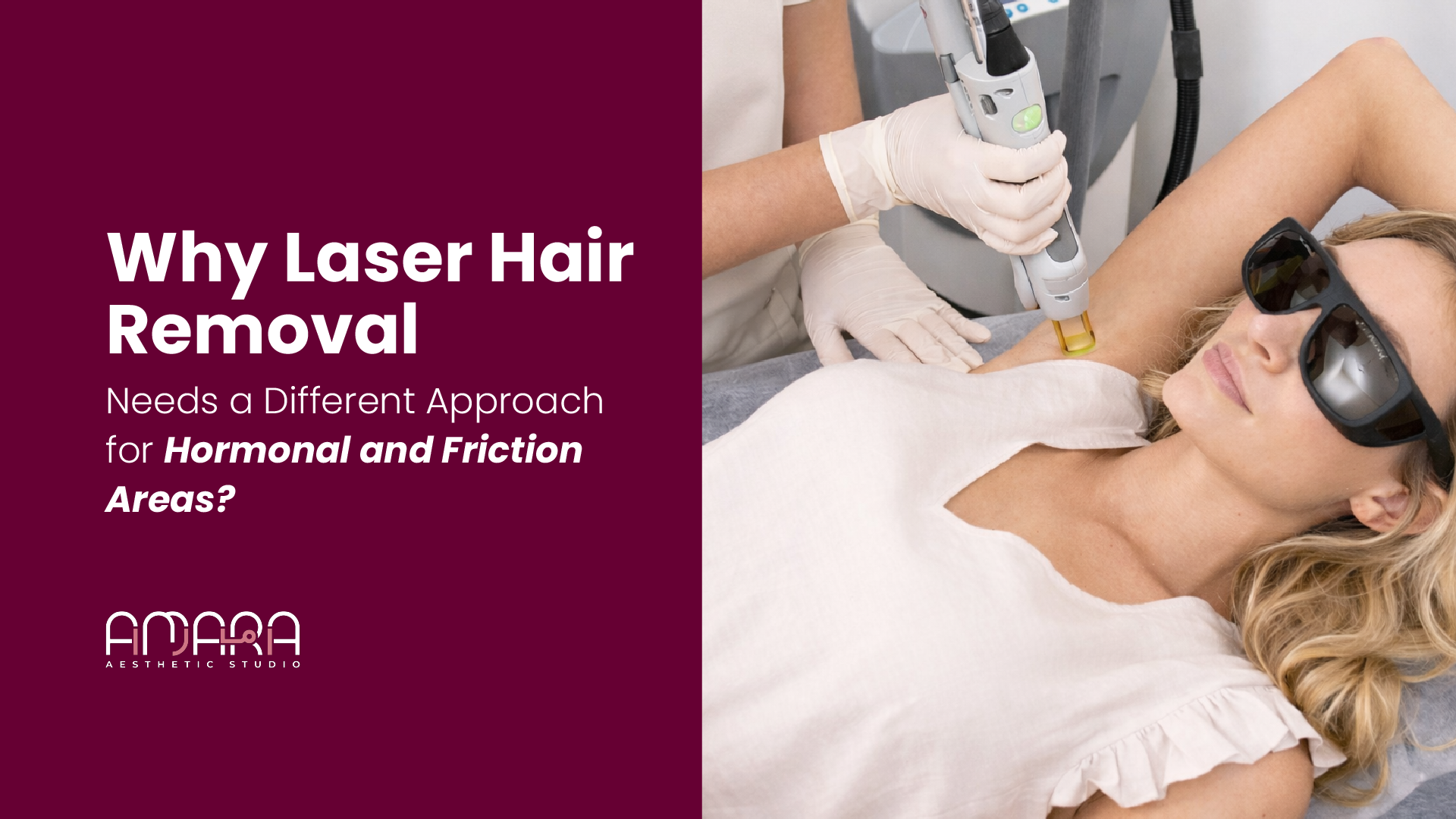
  • Laser Hair Removal For Hormonal Friction Areas

    Laser Hair Removal For Hormonal Friction Areas

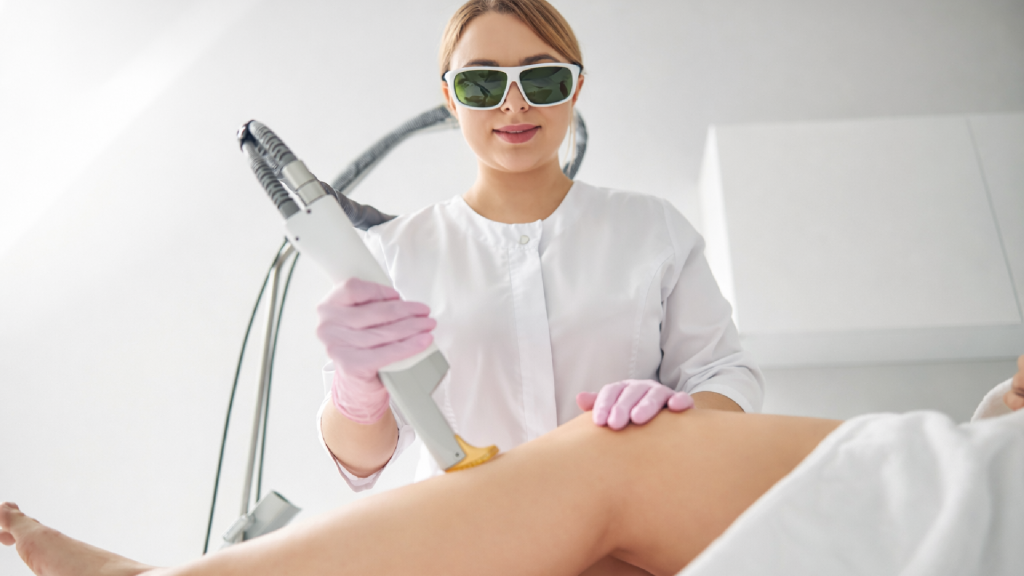
    Laser hair removal in Dubai is extremely famous as one of the most reliable long-term solutions for unwanted, stubborn hair. But while many people experience great outcomes inthe areas like the arms or legs, hormonal and friction-prone zones such as face, bikini line, underarms, and inner thighs behave very differently and cannot be treated with a one-size-fits-all approach.  

    These zones are influenced by hormonal activity, repeated skin friction, higher sensitivity, and denser hair growth patterns. Treating them successfully requires not only advanced laser technology but also clinical judgment, customized settings, and realistic expectations. 

    Thinking of laser hair removal for stubborn hair? A professional consultation is essential to assess your skin, hair pattern, and suitability before starting treatment. This blog explains why these areas need extra care, how laser technology interacts with hormonal hair growth, and what truly ensures safe & effective results. 

    How Laser Hair Removal Actually Works? 

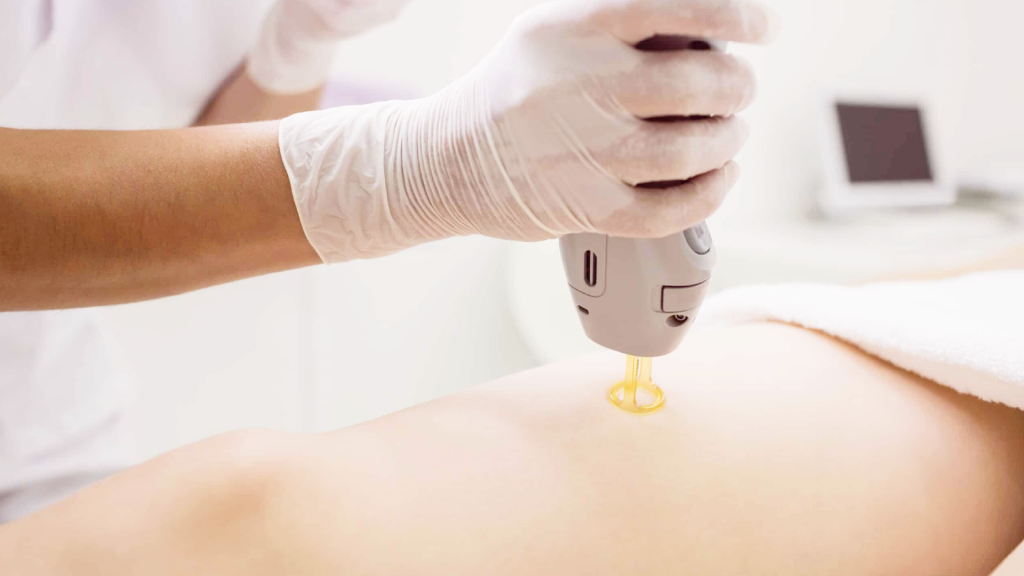
    Laser hair removal in Dubai works by transferring concentrated light energy into the hair follicle. The pigment (melanin) in the hair absorbs this energy, which heats and softens the follicle enough to slow down or stop future hair growth. 

    However, laser treatment only affects hair that is in its active growth phase (anagen). Since not all hair grows simultaneously, multiple sessions are required to target follicles as they cycle into this phase. This biological limitation is why laser hair removal is a well-defined process rather than a one-time solution. 

    Results depend on several factors: 

    • Hair colour and thickness
    • Skin tone
    • Growth cycle timing
    • Hormonal influence
    • Area being treated 

    These variables are specifically important in hormonal and friction-prone zones.

    What Defines a Hormonal Hair Growth Area? 

    What Defines a Hormonal Hair Growth Area? 

    Hormonal areas are parts of the body where hair growth is strongly influenced by androgens (male-pattern hormones present in all genders). These include: 

    • Upper lip and chin
    • Jawline and neck
    • Bikini line
    • Lower abdomen
    • Chest (in some individuals)
    • Area above the knees (from the back)
    • Around the elbows (up and down)

    In these regions, hair follicles are more responsive to hormonal signals, which can trigger thicker, darker hair growth over time. 

    Why Hormonal Hair Is More Challenging? 

    Hormonal stimulation can cause: 

    • Faster regrowth
    • Mixed hair textures (coarse and fine hair together)
    • Irregular growth cycles
    • Partial regrowth even after successful laser sessions

    Laser hair removal for hormonal hair can significantly reduce hair density in these areas, but hormonal influence means maintenance sessions may be required, particularly if underlying conditions such as PCOS or thyroid imbalance are present. 

    Importantly, this does not mean laser “doesn’t work” on hormonal hair; it means expectations must be realistic and treatment must be consistent.

    Understanding Friction-Prone Areas and Their Sensitivity

    Friction-prone areas experience constant rubbing from clothing, skin folds, or movement. Common examples include: 

    • Underarms
    • Inner thighs
    • Bikini and groin creases
    • Between skin folds
    • Area above the knees (from back)
    • Around the elbows (up & down)

    These zones often have: 

    • Thinner skin
    • Higher nerve density
    • Increased sweat glands
    • Greater risk of irritation or pigmentation

    Repeated friction can already compromise the skin barrier, making careful laser settings and post-treatment care essential. 

    Why These Areas Require a Different Laser Strategy 

    Hormonal and friction zones cannot be treated aggressively without increasing the risk of side effects. Instead, a measured, customised approach is required. 

    Key considerations include: 

    • Adjusted energy levels to protect sensitive skin
    • Longer intervals between sessions if irritation occurs
    • Cooling mechanisms to reduce discomfort
    • Careful monitoring of skin response after each session

    Using overly high energy in these areas does not improve results; it increases the risk of burns, inflammation, and pigmentation issues. 

    Pain and Sensitivity: What to Expect 

    Pain and Sensitivity in Laser Hair Removal: What to Expect 

    Sensitivity varies from person to person, but certain areas tend to feel more intense during laser treatment: 

    • Upper lip and chin: thin skin and dense nerve endings
    • Bikini line: thick hair follicles combined with sensitivity
    • Underarms: moisture and friction increase sensation 

    Modern laser systems at Amara Aesthetic Studio use integrated cooling, contact chillers, or air cooling to minimise discomfort. In some cases, topical numbing cream may be recommended. 

    While laser hair removal for facial hair or other friction areas is not completely pain-free, discomfort is usually brief and well-tolerated when performed correctly. 

    Preparation Before Stubborn Hair Laser Removal Treatment 

    Proper preparation improves results and reduces the likelihood of side effects. 

    Before your session: 

    • Stop waxing or plucking for at least 3–4 weeks
    • Shave the area 24 hours prior to treatment
    • Avoid sun exposure or tanning
    • Do not apply active skincare products on the treatment area

    Aftercare: Protecting Sensitive Skin 

    Post-treatment care is particularly important for hormonal and friction areas. 

    After your session: 

    • Avoid heat, sweating, and friction for 24–48 hours
    • Wear loose, breathable clothing
    • Avoid fragranced products or deodorants temporarily
    • Use soothing, non-active skincare
    • Apply sun protection if the area is exposed

    Mild redness or warmth is common and usually subsides within a few hours. Experts at Amara guide you with the personalized after-care guide as per your skin type. 

    How Many Sessions Are Usually Needed?

    How Many Laser Hair Removal Sessions Are Usually Needed?

    Most people require multiple sessions for significant hair reduction, spaced several weeks apart. Hormonal areas often fall on the higher end of this range. As compared to normal hair removal; more sessions are required but it is worth the wait those are extremely sick of stubborn hair at unwanted areas. 

    It’s important to understand: 

    • Laser reduces hair growth progressively
    • Results build over time
    • Some regrowth may occur due to hormones
    • Maintenance sessions may be required annually or bi-annually

    Hair that does regrow is typically finer, lighter, and easier to manage. 

    Laser hair removal for hormonal and friction-prone areas requires a customised, clinically guided approach. At Amara Aesthetic Studio, each treatment plan is tailored to individual skin type, hair pattern, hormonal influence, and area sensitivity. With advanced technology, experienced practitioners, and a strong focus on skin safety, we are a trusted choice for effective laser hair removal in delicate and hormonally influenced areas. 

    Frequently Asked Questions – Laser Hair Removal for Harmonal Areas

    1. Is laser hair removal in Dubai safe for sensitive or friction-prone areas?

    When performed by trained professionals using appropriate technology, laser hair removal is safe for sensitive and friction-prone areas. Customised settings, proper cooling, and correct aftercare significantly helps.

    2. Can laser hair removal at Amara cause pigmentation changes?

    With us, pigmentation changes are uncommon as treatments are performed in a correct manner. Proper laser selection, conservative energy settings, sun avoidance, and diligent aftercare greatly reduce the risk of post-treatment darkening or uneven skin tone.

    3. How many sessions are typically required?

    Hormonal and friction-prone areas often require more sessions, depending on hair density, growth pattern, and underlying hormonal influences.

    4. Is laser hair removal permanent?

    Laser hair removal isn’t completely permanent, but it significantly reduces hair growth. Maintenance sessions are usually needed over time to manage regrowth and keep the area smooth.

    5. Can people with PCOS undergo laser hair removal?

    Yes, laser hair removal is commonly used for managing excess hair in individuals with PCOS. While it effectively reduces hair growth, ongoing hormonal activity may require regular maintenance sessions for sustained results.

  • HydraFacial Post-Care Tips: How to Make Your Glow Last Longer?

    HydraFacial Post-Care Tips: How to Make Your Glow Last Longer?

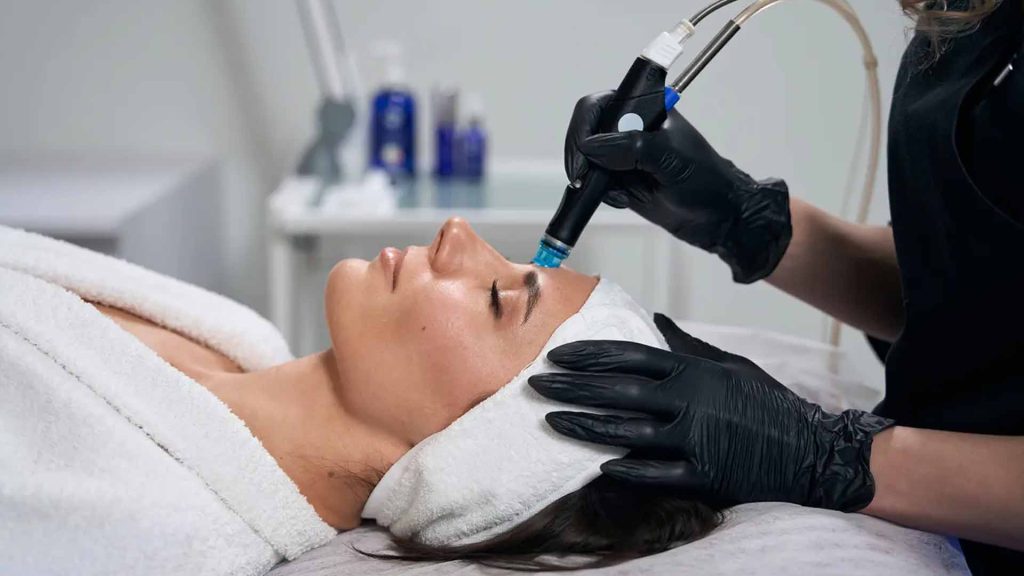
    HydraFacial Treatment is a popular treatment for anyone looking to restore radiance, smoothness, and hydration to their skin. Its multi-step process cleanses, exfoliates, extracts impurities, and infuses the skin with serums packed with antioxidants and hyaluronic acid. The immediate results; glowy, plump, and refreshed skin; are often impressive. 

    However, the real key to prolonging this glow lies in how you care for your skin afterward. Even though HydraFacial is gentle and non-invasive, your skin is temporarily more sensitive, and without proper post-treatment care, the benefits can fade quickly. By following the right steps as suggested by your practitioner, you can maintain hydration, minimize irritation, and extend the effects of your treatment for weeks.

    What is the Importance of HydraFacial After-Care?

    After HydraFacial treatment in Dubai, the top layers of your skin are renewed, which can make it slightly more fragile. If you don’t do proper post-treatment care; it  may lead to: 

    • Faster loss of hydration and radiance
    • Increased sensitivity or redness
    • Breakouts due to clogged pores
    • Reduced effectiveness of antioxidant and collagen-boosting serums 

    Right aftercare not only helps your skin recover but also allows the treatment’s full benefits to shine, keeping your skin smooth and glowy. 

    Essential Dos After HydraFacial Treatment in Dubai

    Essential Dos After HydraFacial Treatment in Dubai

    1. Keep Your Skin Hydrated

    Hydration is the cornerstone of post-HydraFacial care. Apply a gentle, non-comedogenic moisturizer immediately after your session. Products with hyaluronic acid help lock in moisture and strengthen your skin barrier. 

    Extra tip: Drinking plenty of water supports hydration from the inside, enhancing your skin’s glow. 

    2. Apply Sunscreen Consistently

    Freshly treated skin is more vulnerable to sun damage. Apply a broad-spectrum SPF 30 or higher every morning. Mineral-based sunscreens containing zinc oxide or titanium dioxide are gentle and effective for sensitive, post-treatment skin. 

    3. Use Gentle, Soothing Skincare

    Avoid harsh chemicals, fragrances, or strong actives like retinoids or glycolic acids for at least 3–5 days. Instead, focus on soothing, hydrating products with ingredients like niacinamide or aloe vera to calm redness and support healing. 

    4. Cleanse Carefully

    Use a mild, pH-balanced cleanser with lukewarm water. Pat your face dry instead of rubbing to avoid irritation and maintain the skin’s natural barrier. 

    Things to Avoid After a HydraFacial Treatment

    1. Excess Heat and Sweat 

    Skip hot showers, saunas, steam rooms, and intense workouts for the first 24–48 hours. Heat and sweat can irritate freshly treated skin and block pores. 

    2. Aggressive Exfoliation

    Your skin has already been exfoliated during the treatment. Avoid scrubs, chemical peels, and retinoids for at least 5–7 days to prevent sensitivity and irritation. 

    3. Touching or Picking at Skin

    Hands carry bacteria, and touching or picking at your face may lead to breakouts, redness, or even scarring. 

    4. Immediate Makeup

    Allow your skin to breathe for at least 6 hours before applying makeup. This gives your skin time to absorb the treatment and stay fresh. 

    Recommended Post-HydraFacial Products

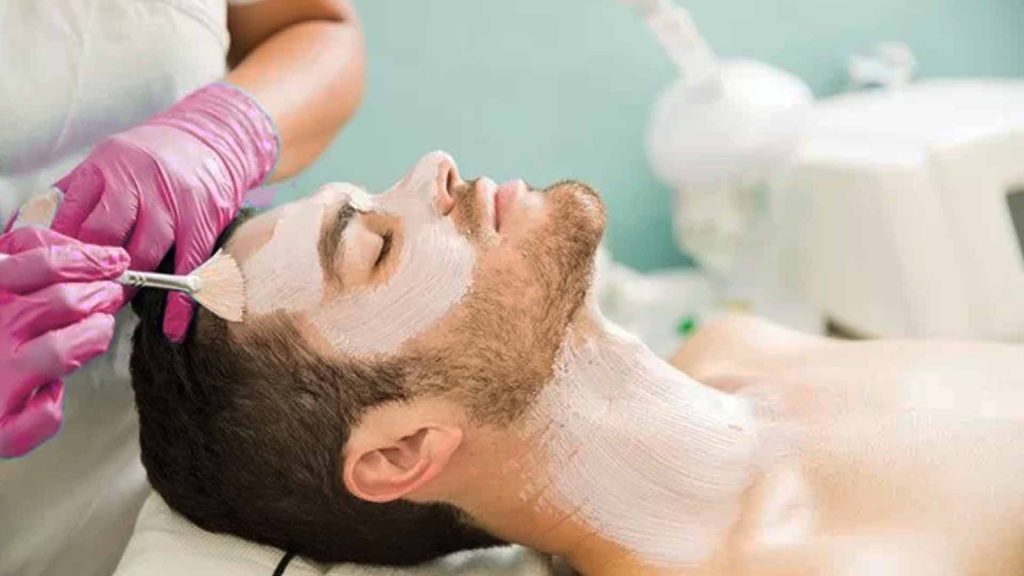
    Hydrafacial for men

    While your clinician may recommend specific brands, these categories generally help protect and prolong your results: 

    • Moisturizers: Gentle, non-comedogenic creams
    • Sunscreen: Mineral-based SPF 30+ or 50+
    • Soothing Serums: Fragrance-free options with niacinamide or aloe vera
    • Cleanser: Mild, non-foaming cleansers
    • Hydrating Mists: Light sprays like rose water or thermal spring water

    Extra Tips for Maintaining Your Glow Post HydraFacial

    1. Balanced Diet: Nutrient-rich foods, antioxidants, and adequate water intake support skin health from the inside. 

    2. Avoid Smoking and Excess Alcohol: Both can dehydrate skin and shorten the longevity of your post-HydraFacial glow.

    3. Regular Treatments: Monthly sessions help maintain smoothness, hydration, and radiance. 

    4. Gentle Handling: Pat your face dry with a soft towel, avoid scrubbing, and be careful with your skincare routine to protect the skin barrier. 

    5.Sleep and Stress Management: Adequate rest and stress reduction promote natural skin repair and collagen production.

    Hydrafacial Treatment

    HydraFacial for men and women both deliver instant radiance and smoothness, but the post-care routine determines how long the results last. By staying hydrated, using gentle products, protecting your skin from the sun, and avoiding harsh treatments or heat, you can enjoy a lasting, natural glow. 

    At Amara Aesthetic Studio, post-HydraFacial care is advised based on each patient’s individual skin needs to help maintain long-lasting hydration, glow, and skin strength despite Dubai’s harsh climate. For anyone looking for expert support in preserving healthy, radiant skin in these conditions, we offer professionally administered HydraFacial treatments along with customized aftercare plans.  

    Frequently Asked Questions – HydraFacial Treatment After-Care

    Q1. How long does the glow from HydraFacial treatment last?

    Typically, your skin remains radiant for 4–6 weeks. With proper post-treatment care and monthly sessions, the results can be maintained longer, keeping skin hydrated, smooth, and healthy.

    Q2. When can I resume my normal skincare routine?

    Avoid strong actives like retinoids, glycolic acids, or exfoliating scrubs for at least 3–5 days. Stick to gentle cleansers, moisturizers, and sunscreen during this period. 

    Q3. Is redness after the treatment normal?

    Mild redness or tingling is common and usually disappears within a few hours. Using a soothing moisturizer or serum can help calm the skin.

    Q4. Are there any lifestyle adjustments I should follow?

    Yes. Avoid hot showers, saunas, intense workouts, and sun exposure for the first 24–48 hours. Keep skin hydrated, protected from environmental stress, and follow gentle skincare practices to maximize results.

    Q5. Can HydraFacial in Dubai be combined with other treatments?

    Absolutely. HydraFacial can complement treatments like chemical peels, light lasers, or anti-aging facials; but consult your clinician to schedule sessions safely and avoid overloading sensitive skin.

  • IV Drip Wellness in Dubai: Benefits, Types & What to Expect

    IV Drip Wellness in Dubai: Benefits, Types & What to Expect

    Living in Dubai comes with its own rhythm. Early mornings, long workdays, constant movement, late dinners, social plans, travel, and very little time to slow down. It’s exciting; but it’s also demanding. Over time, the pressure shows up quietly. Energy drops. Sleep feels lighter. Skin looks tired. Stress becomes quite normal.

    At Amara, Dubai Drip was created for exactly this reality. 

    Not as a trend. 

    Not as a quick fix 

    And definitely not as a standard IV formula. 

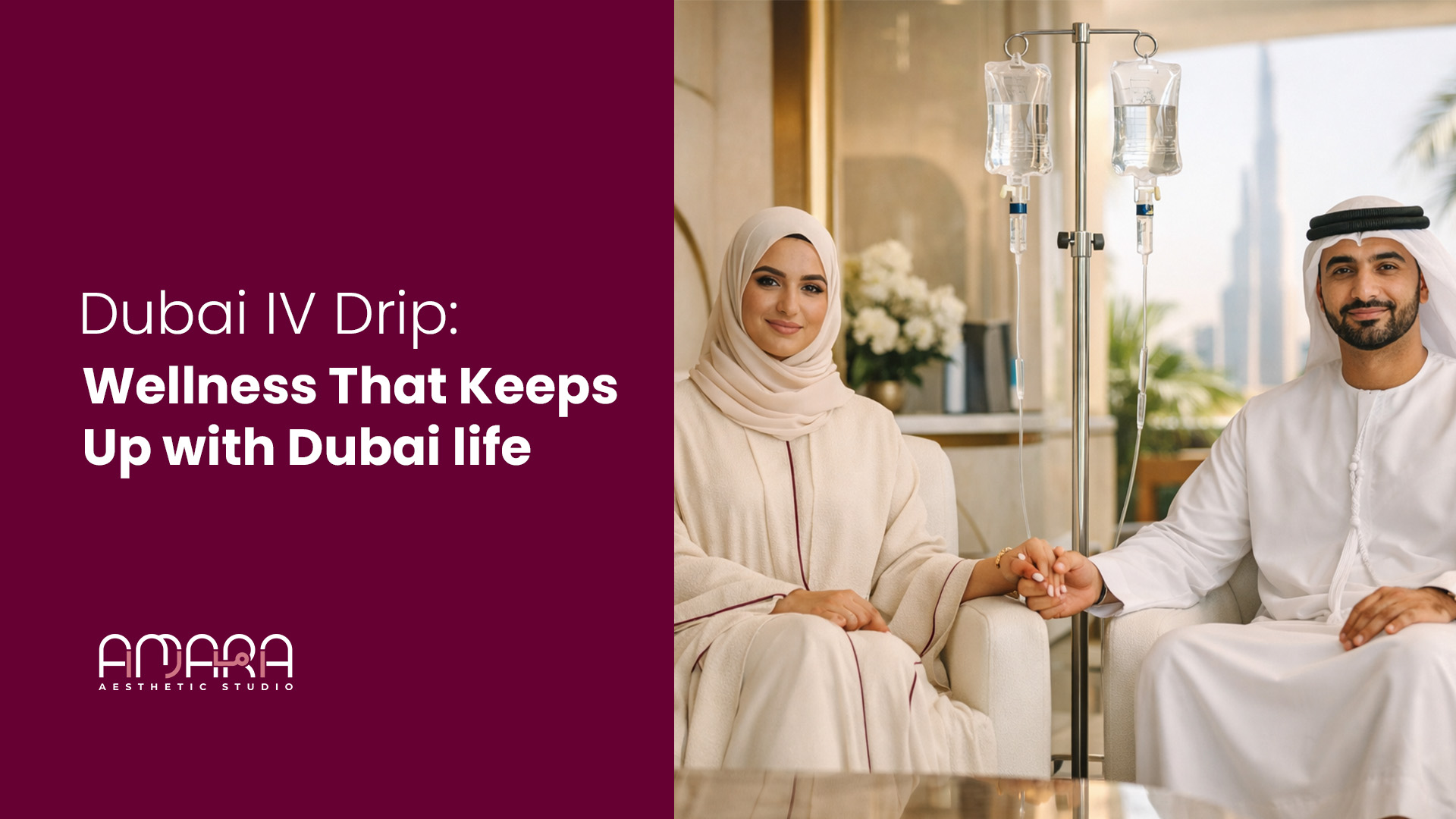
    Dubai Drip is a doctor-led, personalized IV therapy experience, designed to support people who are constantly giving more than their bodies have time to recover from. 

    Many people try to push through fatigue with supplements, coffee, or energy drinks. The problem is that oral supplements don’t always absorb well, especially when stress, travel, or poor sleep are involved. 

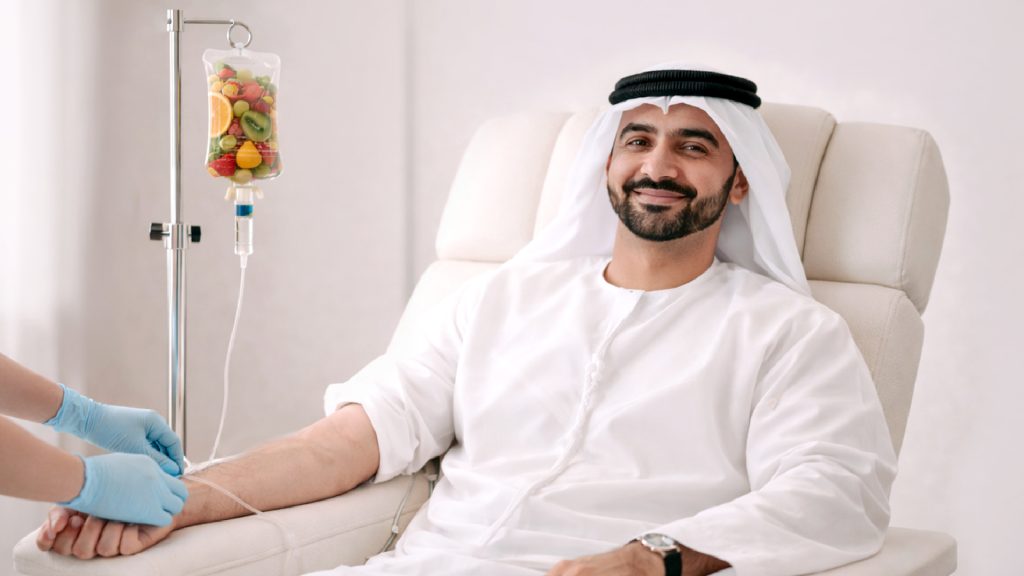
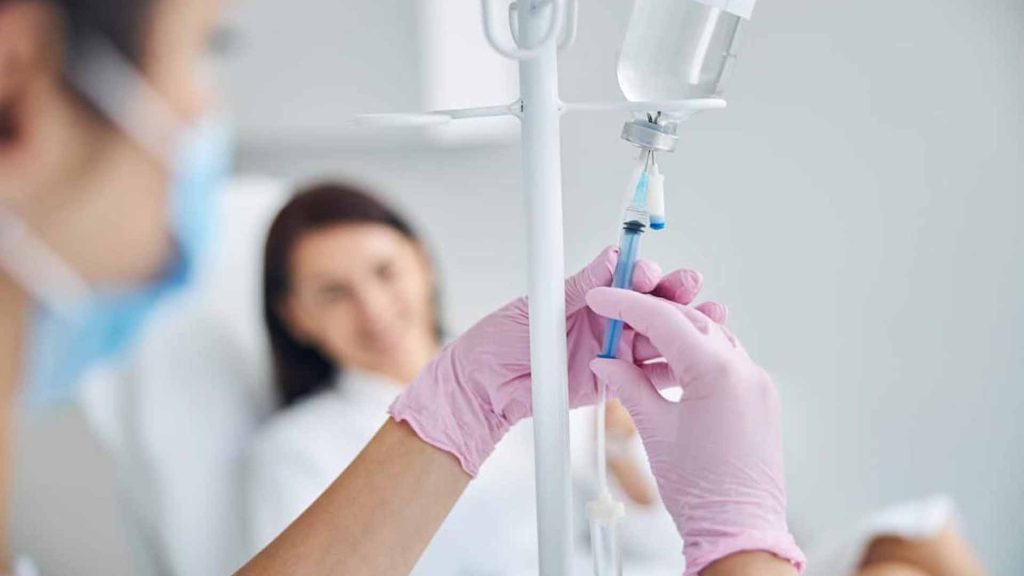
    An IV Drip Dubai treatment works differently. Nutrients are transferred straight into the bloodstream, allowing the body to use them immediately. There’s no waiting, no digestive loss, and no guessing. 

    For people with busy schedules, this efficiency matters. That’s why IV vitamin drip Dubai treatments have become part of modern wellness routines; not as medicine, but as support. 

    What Makes Dubai Drip at Amara Different? 

    At Amara, there is no “default drip.” 

    Every Dubai Drip starts with a consultation. The doctor looks at: 

    • Daily routine
    • Stress levels 
    • Energy patterns 
    • Sleep quality 
    • Personal wellness goals 

    Instead of simply listing vitamins or nutrients, Dubai Drip at Amara focuses on what you want to achieve; how you want to feel, look, and function in your daily life. There are 3 types of Dubai Drips; carefully designed around specific wellness goals rather than a one-size-fits-all formula. Let’s find out:

    Glow & Beauty Drip: When You Want to Look as Good as You Feel

    Glow & Beauty Drip

    Sometimes the body feels fine, but the mirror says otherwise. Dull skin, tired eyes, brittle nails; these areas are basically the small signs that often come from long days and little rest. 

    The Glow & Beauty Drip is chosen for people who want to support their appearance from within. It helps the body restore balance, so skin looks fresher, hair feels stronger, and the overall look feels more polished. 

    This drip is often chosen: 

    • Before important events 
    • During busy social periods 
    • After travel or long work stretches 

    It’s not about changing how you look. It’s about helping the body return to its natural glow. For many, this is their preferred vitamin drip Dubai option. 

    Stress Relief & Energy Balance Drip: For Minds That Never Switch Off

    Stress Relief & Energy Balance Drip

    Dubai doesn’t slow down; and neither do the people who live here. Constant pressure, notifications all day, late nights, and early mornings can leave the mind exhausted even when the body keeps moving. 

    The Stress Relief & Energy Balance Drip is designed for people who feel mentally overloaded. It supports the body during high-stress periods and helps restore a sense of balance. 

    Patients often choose this drip when they notice: 

    • Ongoing mental fatigue 
    • Difficulty focusing 
    • Poor sleep quality 
    • Emotional exhaustion 

    Unlike stimulants, this option doesn’t push the body harder. It helps stabilize energy instead. That’s why many professionals see it as their go-to energy IV Drip Dubai solution.

    Cellular Renewal & Vitality Drip – When Tiredness Runs Deeper 

    Some fatigue isn’t solved by sleeping alone. It’s the kind that lingers, even after rest. This is where deeper support is needed. 

    The Cellular Renewal & Vitality Drip focuses on long-term wellness. It supports the body at a foundational level, helping it recovers, function better, and maintain energy over time. 

    This drip is often selected by people who: 

    • Feel consistently drained 
    • Want long-term vitality 
    • Are focused on healthy aging 
    • Want to support immunity 

    Many patients associate this drip with immune boost IV Drip Dubai benefits, especially during high-demand periods or seasonal changes. 

    Why Doctor Selection Matters 

    IV therapy should never be random. At Amara, every Dubai Drip is chosen by a qualified doctor. This ensures the treatment is: 

    • Appropriate for the individual 
    • Properly balanced 
    • Safely administered 

    This medical oversight is what separates Dubai Drip from generic IV services. It’s not about giving more; it’s about giving what’s right for you.

    Dubai Drip as Part of a Bigger Wellness Picture 

    At Amara Aesthetic Studio, IV therapy is not treated as a standalone service. Dubai Drip fits into a broader wellness approach that values prevention, balance, and sustainability. Many patients return regularly; not because they are unwell, but because they want to stay well in a demanding environment. 

    Dubai Drip exists because Dubai life demands more from the body than most people realize. Energy, focus, glow, and immunity don’t disappear overnight; they fade gradually. At Amara Aesthetic Studio, Dubai Drip offers a smarter way to support your body, guided by medical expertise and tailored to real life. If you’re looking for a trusted IV Drip Dubai experience that respects your body and your time, we stand apart. 

    Frequently Asked Questions – Dubai IV Drip

    1. What is the cost for Dubai Drip at Amara?

    The cost varies depending on the type of drip and your individual needs. Each treatment is personalized after a doctor’s consultation. For exact pricing, contact us directly.

    2. How is Dubai IV Drip different from regular IV Drips?

    Dubai Drip is not pre-selected or generic. Each drip is chosen after consultation, making it a more targeted and thoughtful vitamin drip Dubai option.

    3. Is Dubai Drip safe?

    Yes. All treatments are doctor-led and administered under medical supervision, ensuring safe dosing and proper selection for each individual.

    4. How often can someone get a Dubai IV Drip?

    Frequency depends on individual needs and lifestyle. The doctor will advise what works best for you during your consultation.

    5. Who benefits most from Dubai Drip?

    Professionals, frequent travelers, high-stress individuals, and anyone seeking energy, balance, or immunity support through an energy IV Drip Dubai or immune boost IV Drip Dubai option.

  • 7 Aesthetic Dermatology Trends That Will Dominate 2026

    7 Aesthetic Dermatology Trends That Will Dominate 2026

    If you’ve noticed that aesthetic clinics feel very different today compared to even a few years ago, you’re not imagining it; that’s a fact. Dermatology is undergoing a quiet transformation; one that places your long-term skin and hair health at the centre of every decision.  

    Rather than approaching changes that make you look different from your natural-self or short-lived trends, modern dermatology clinics are focusing on accuracy, prevention, and treatments that align with your skin instead of against it. Whether you’re visiting a clinic for the first time or already familiar with aesthetic care, let’s deep dive into the seven dermatology shifts influencing clinics this year and what they mean for you.  

    7 Ways Dermatology Is Transforming Aesthetic Clinics in 2026 

    From personalized skin care to advanced hair treatments, clinics are adopting new approaches. Let’s find out: 

    1. Treatments That Are Designed Specifically for You  

    Generic treatment plans are becoming a thing of the past. Today, your dermatology journey is far more personalized than ever before. Instead of treating a condition in isolation, a dermatologist now does the thorough analysis of your skin type, lifestyle, and sustained results.  

    When your treatment is tailored as per the requirements of your skin, it often includes:  

    • An in-depth skin or scalp assessment
    • Consideration of your daily habits, stress levels, and sun exposure
    • A plan that evolves as your skin responds over time
    • Avoidance of unnecessary or overly aggressive procedures 

    This approach helps ensure your results look natural and improve steadily, rather than appearing sudden or artificial.  

    2. Non-Surgical Procedures That Fit into Your Lifestyle  

    If you’re looking for visible improvement without putting your routine on hold, you’re not alone. One of the most significant shifts in cosmetic dermatology is the preference for minimally invasive treatments that allow you to return to daily life quickly.  

    These treatments are designed to:  

    • Improve skin texture and tone gradually
    • Boost collagen instead of altering facial structure
    • Reduce downtime and recovery-related discomfort
    • Deliver results that feel subtle yet noticeable

    For many patients, this means you can enhance your appearance without anyone guessing you’ve had a procedure done.  

    3. Hair and Scalp Health Finally Getting the Attention It Deserves

    Hair and Scalp Health Finally Getting the Attention It Deserves

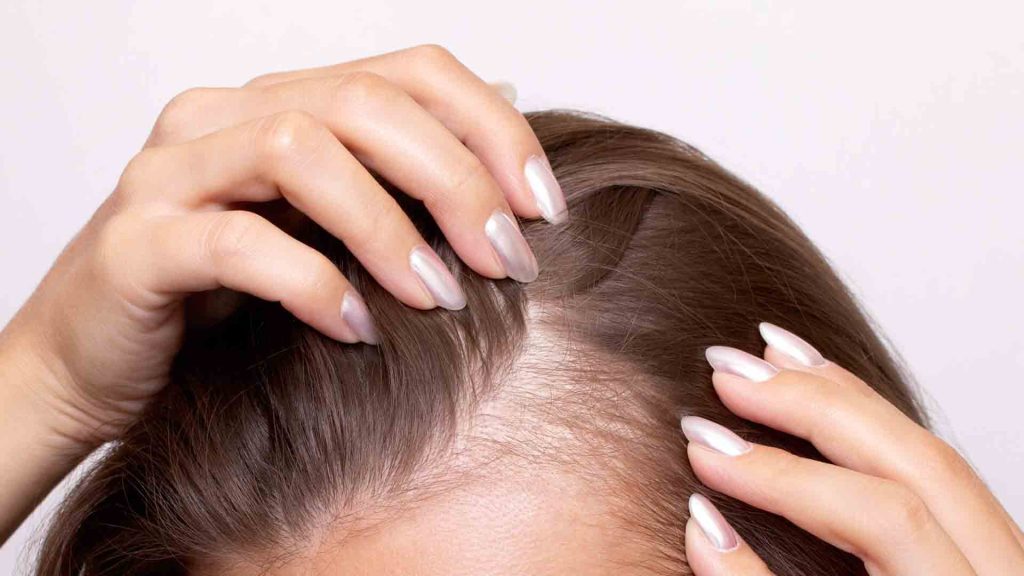
    Hair concerns are no longer being treated as secondary issues. If you’re experiencing thinning, shedding, or changes in scalp health, consulting a dermatologist for hair loss early can make a significant difference.  

    Modern hair-focused dermatology emphasizes:  

    • Comprehending the root cause of your hair loss
    • Determining scalp condition, not just hair density
    • Curating a treatment plan tailored to your pattern of hair loss
    • Directing attention to long-term follicle health, not quick fixes

    By addressing hair concerns early, you give yourself better options and more predictable outcomes.  

    4. Preventive Dermatology Helping You Stay Ahead of Skin Concerns

    Preventive Dermatology Helping You Stay Ahead of Skin Concerns

    More people are now choosing to see a dermatologist before visible issues fully develop. Preventive dermatology is about maintaining skin health, not just correcting problems after they appear.  

    If you’re investing in prevention, your plan may involve:  

    • Early treatment for pigmentation or fine lines
    • Skin-strengthening procedures that support collagen
    • Guidance on medical-grade skincare suitable for your skin
    • Advice on sun protection and lifestyle habits

    This proactive approach helps you preserve healthy-looking skin for longer and reduces the need for aggressive treatments later.  

    5. Regenerative Treatments Supporting Your Skin from Within

    One of the most exciting shifts in cosmetic dermatology is the focus on regenerative care. Instead of relying solely on surface-level enhancement, clinics are now helping your skin activate its own repair mechanisms.  

    These treatments aim to:  

    • Improve elasticity and overall skin quality
    • Support natural renewal processes
    • Create results that feel gradual and authentic
    • Strengthen your skin over time rather than masking concerns

    If you prefer outcomes that look refined rather than dramatic, regenerative dermatology may align well with your goals.  

    Regenerative Treatments Supporting Your Skin from Within

    6. Advanced Diagnostics Making Your Treatment More Accurate  

    Technology is changing the way your dermatologist evaluates skin and scalp concerns. With advanced diagnostic tools, issues can be identified earlier and treated more precisely.  

    For you, this means:  

    • A clearer understanding of what’s happening beneath the surface
    • Data-backed treatment recommendations
    • The ability to track progress over time
    • Greater confidence in the treatment plan you’re following

    When your dermatologist relies on accurate diagnostics, your care becomes more targeted and predictable. 

    7. A Clear Shift Toward Natural, Balanced Results  

    Perhaps the most noticeable trend is the desire for results that don’t look obvious. Today’s patients want to look refreshed, rested, and healthy without losing their natural expressions or features.  

    This philosophy shows up through:  

    • Conservative treatment planning
    • Gradual improvements rather than instant changes
    • Respect for your facial structure and proportions
    • A focus on balance instead of volume

    This trend reflects a more mature approach to dermatology, where subtlety and expertise matter more than exaggeration.  

    Together, these trends mean that dermatology is becoming more thoughtful, more medical, and more personalized. When you choose the right clinic and an experienced dermatologist, you’re not just treating a concern; you’re supporting your skin and hair health for the long term. Understanding these trends allows you to make informed decisions and choose treatments that align with your expectations and lifestyle.  

    At Amara Aesthetic Studio, every treatment is guided by experienced dermatology professionals, advanced diagnostics, and a patient-first approach. Choosing Amara means placing your trust in a clinic that values medical expertise, honest guidance, and long-term skin and hair health—not just temporary aesthetic outcomes.

    1. Is cosmetic dermatology only about improving appearance?

    Not really! It’s about keeping your skin healthy while helping it look its best. Many treatments improve your skin’s texture, strength, and overall glow; not just the surface appearance.

    2. When should I see a dermatologist for hair loss?

    If you notice more hair falling out than usual or your hair feels thinner, it’s a good idea to check in sooner rather than later. Early advice makes treatment easier and more effective.

    3. Are non-surgical treatments safe for me?

    Yes. When a qualified dermatologist does them. They’re designed to be gentle on your skin, with minimal downtime. You’ll usually notice subtle, natural improvements rather than drastic changes.

    4. How often should I visit a dermatology clinic?

    That really depends on your skin or hair concerns. Some people like a seasonal check-in, while others benefit from regular visits to stay ahead of issues and maintain results.

    5. Can preventive dermatology really help me?

    Absolutely! Seeing a dermatologist early can help prevent problems like fine lines, pigmentation, and other changes before they become more serious. Think of it as giving your skin and hair a head starts for the future.

  • Top Pigmentation Treatments in Dubai

    Top Pigmentation Treatments in Dubai

    If you’ve been noticing dark spots, uneven patches, or changes in your skin tone, you’re not the only one; pigmentation is one of the most common skin issues. It can profoundly affect how you feel about your appearance, and it can even hinder your self-esteem. Pigmentation isn’t just a surface issue; it often reflects more profound changes in your skin caused by factors like sun exposure, hormones, ageing, or past inflammation.

    From professional options such as chemical peels and laser therapy to simple habits like wearing sunscreen daily, there are effective ways to restore balance and brightness. In this blog, we are going to deep dive into understanding pigmentation, causes and the proper treatment for pigmentation in Dubai – which helps you achieve a smooth, even complexion that genuinely reflects your best self.

    Decoding Skin Pigmentation: What is it? 

    Skin pigmentation indicates the color of the skin, controlled by melanin, the pigment produced in the skin. When melanin is produced unevenly, it can lead to various pigmentation issues like dark spots, sunspots, melasma, and hyperpigmentation. These pigmentation issues can appear on any part of the body but are most evident on the face, hands, and shoulders.

    They can vary in intensity and affect people of all skin types and tones. Luckily, pigmentation can be treated, and with the right treatment, you can get back a youthful, even skin tone. 

    From Sun Exposure to Hormones: What Causes Skin Pigmentation

    What Causes Skin Pigmentation

    There are several skin pigmentation causes that lead to uneven skin tone. Some of the most common factors include: 

    1. Sun Exposure and UV Damage 

    The sun’s ultraviolet (UV) rays stimulate the skin to produce more melanin as a protective response. Prolonged or excessive exposure to UV rays can cause sunspots or age spots. These spots often appear on the face and other areas exposed to the sun, like the hands or chest. Over time, these sun-induced pigmentation spots become darker and more noticeable. 

    2. Hormonal Changes and Melasma 

    Hormonal fluctuations, particularly during pregnancy, the use of birth control, or menopause, can cause melasma. This condition leads to dark, irregular patches on the skin, especially on the face. The exact cause of melasma is not fully understood, but it’s believed to be linked to hormonal changes and UV exposure. It’s most common in women but can also affect men. 

    3. Aging and Age Spots

    As we age, our skin’s ability to regenerate slows down, and age spots (also known as liver spots) become more prevalent. These dark spots typically appear in areas that have been exposed to the sun over the years, such as the face, hands, and forearms. Age spots are harmless but can affect the skin’s appearance. 

    4. Post-Inflammatory Hyperpigmentation (PIH) 

    Post-inflammatory hyperpigmentation occurs when the skin produces excess melanin after an injury or inflammation. Conditions like acne, eczema, or even aggressive skin treatments can trigger PIH. The result is dark spots or scars left behind after the inflammation or injury has healed. 

    5. Genetics and Family History 

    Sometimes, pigmentation problems are inherited. If your family members have a tendency to develop certain pigmentation issues, such as freckles or other skin conditions, you might be more susceptible as well. Genetic factors play a role in how your skin reacts to environmental factors. 

    The Best Ways to Treat and Remove Pigmentation

    Ways to Treat and Remove Pigmentation

    Once you understand the causes of pigmentation, you can take steps to treat and manage it. Fortunately, pigmentation treatments in Dubai are readily available, offering both preventive and corrective solutions. Here are the best treatment options: 
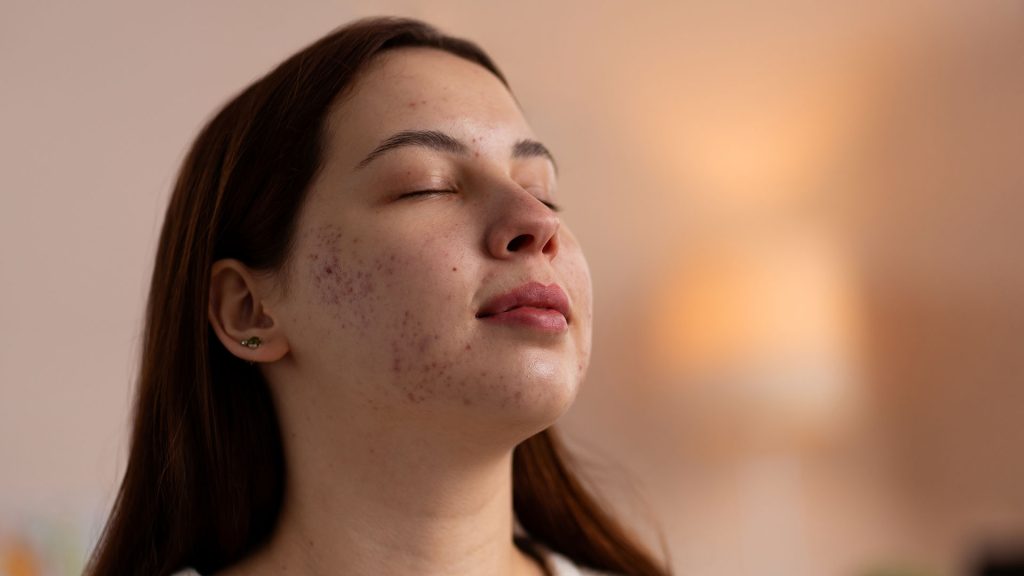
    1. Chemical Peels 

    A chemical peel involves applying a chemical solution to the skin that exfoliates the top layer. This treatment removes dead skin cells and helps to reveal fresh, even-toned skin. Chemical peels are effective in treating sunspots, age spots, and hyperpigmentation. The treatment stimulates collagen production, improving skin texture, and reducing pigmentation over time. 

    2. Laser Pigmentation Removal 

    Laser treatments are one of the most effective ways to treat hyperpigmentation. By targeting melanin, lasers break down dark spots and encourage skin regeneration. Common laser treatments for pigmentation include fractional CO2 lasers and Q-switched lasers, which are particularly effective for treating melasma and sunspots. 

    Laser pigmentation treatments are non-invasive and provide noticeable results with minimal downtime. Advanced hyperpigmentation treatment in Dubai helps you achieve a clearer complexion in minimal time. 

    3. Microneedling 

    Microneedling uses tiny needles to create micro-injuries in the skin, stimulating collagen production, and encouraging the skin to heal itself. This treatment is effective for improving skin texture and reducing pigmentation caused by acne scars and sunspots. It also enhances the absorption of skin care products, making it a popular treatment for pigmentation care in skin clinics in Dubai. 

    4. Topical Skincare Treatments 

    Topical treatments like hydroquinone, vitamin C, and retinoids are effective at lightening dark spots and preventing future pigmentation. These ingredients work by inhibiting melanin production, helping to fade dark spots and improve overall skin tone. For mild pigmentation, these topical solutions can be used in conjunction with other treatments for optimal results. 

    5. Sunscreen and Sun Protection 

    One of the most important aspects of treating pigmentation is preventing further damage from UV rays. Daily sun protection is essential in preventing pigmentation from worsening and reducing the appearance of existing spots. Using a broad-spectrum sunscreen with SPF 30 or higher, even on cloudy days, to protect your skin from harmful UV rays. 

    Tips for Long-Term Pigmentation Care

    Tips for Long-Term Pigmentation Care
    • Maintain a consistent skincare routine that includes gentle exfoliation and hydrating products.
    • Avoid prolonged sun exposure and always wear sunscreen to prevent the formation of new spots.
    • Stay hydrated to support the skin’s natural healing and regeneration process.
    • Follow up regularly with professional treatments like chemical peels or laser therapy for optimal, long-lasting results.

    Pigmentation problems are common but completely treatable. Whether caused by the sun, aging, or hormonal changes.  At Amara Aesthetic Studio, we offer personalized solutions for pigmentation treatment in Dubai. Our experienced dermatologists and skin specialists assess each individual case to provide the most suitable treatment for effective pigmentation removal. We combine state-of-the-art technologies with expert care to ensure that you leave with a brighter, more even complexion. 

    Frequently Asked Questions – Pigmentation Treatments

    1. Can pigmentation be completely removed?

    With the right treatment plan, many types of pigmentation, such as age spots, sunspots, and melasma, can be significantly reduced or removed.

    2. How long does it take to see results from pigmentation treatments?

    Results vary depending on the treatment and the severity of pigmentation. Laser treatments and chemical peels can show visible improvement within a few sessions, while microneedling may take a few weeks to show significant results.

    3. Can pigmentation come back after treatment?

    While treatments can reduce or remove pigmentation, sun exposure and lifestyle factors can cause pigmentation to return. Ongoing sun protection and skin care are essential to prevent recurrence.

    4. Are there any risks associated with Pigmentation treatment?

    Risks are minimal when performed by qualified professionals. Some treatments may cause temporary redness or swelling, but these side effects usually subside within a few hours of days.

    5. Can pigmentation be prevented?

    Yes, using sunscreen, avoiding excessive sun exposure, and following a proper skincare routine can help prevent pigmentation from developing or worsening.

  • IV Therapy for Mental Wellness: Why the Mind Often Needs Physical Support

    IV Therapy for Mental Wellness: Why the Mind Often Needs Physical Support

    Most conversations around mental wellness stay in the head. Thoughts, emotions, mindset. All-important but incomplete.  

    What often gets overlooked is the body. Long periods of stress, poor sleep, and nonstop routines don’t just affect how you feel emotionally. They quietly wear down the nervous system. Over time, the body runs short of the nutrients the brain relies on to stay balanced.

    That’s where IV therapy for mental wellness fits in. Not as a passing trend, but as steady, practical support for a system that’s been under strain.

    Why Stress Feels Harder Than It Used To? 

    Stress today isn’t occasional. It’s ongoing. Emails don’t stop. The screens don’t turn off. Even the rest feels rushed.  

    When stress sticks around for too long, it quietly drains nutrients that help regulate mood and focus. Magnesium drops. B vitamins run low. The nervous system stays alert when it should be resting.

    You might notice: 

    • A constant sense of tension
    • Feeling mentally tired even after sleep
    • Shorter patience, lower focus
    • Anxiety that comes and goes without warning

    This is one reason IV therapy for stress has become more common, especially in high-pressure environments like Dubai. 

    What IV Therapy Actually Does?

    Intravenous therapy delivers vitamins and minerals directly into your bloodstream. There’s no digestion involved, no waiting for absorption to happen. That matters because stress can interfere with how well your body absorbs nutrients. You may already be taking supplements; many people are, but the body doesn’t always use them efficiently when it’s under strain.

    With IV therapy in Dubai, the goal is simple: give the body what it needs, in a form it can actually use. 

    The Role of Nutrients in Mental Wellness 

    Mental balance depends on how well the brain and body communicate with each other. That communication relies on having enough of the right nutrients.

    IV therapy for mental wellness often includes:

    • B vitamins to support energy and mood
    • Magnesium to help calm the nervous system
    • Vitamin C to support stress response
    • Amino acids that help with focus and emotional balance

    None of this is dramatic, and that’s the point. The changes are usually subtle, feeling calmer, thinking more clearly, and sleeping a little better. 

    IV Therapy for Stress and Anxiety

    IV therapy for Stress & Anxiety

    Stress and anxiety are often treated as emotional problems, but they also have physical roots. In a fast-paced city like Dubai, where work, social commitments, and constant connectivity overlap, mental fatigue often builds quietly. IV therapy for anxiety relief has become a supportive option for those seeking balance without slowing their lifestyle. 

    When the nervous system stays switched on for too long, the body doesn’t get a chance to reset – muscles stay tight, race of thoughts and sleep suffers. It supports the body’s ability to settle. Not by numbing you, not by forcing relaxation but by helping the nervous system return to a more balanced state. 

    Many people describe the effect as: 

    • Feeling less “on edge”
    • A quieter mental background
    • Better sleep over the next few days

    This is why IV therapy for stress reduction is often used alongside lifestyle changes, not instead of them. 

    Who Usually Benefits the Most? 

    IV therapy for mental wellness isn’t only for people who feel overwhelmed. It’s often chosen by people who are coping but tired of coping. 

    You may benefit if: 

    • Your work demands constant focus
    • Stress feels normal, not occasional
    • You feel mentally drained without a clear reason
    • Rest doesn’t seem to restore you

    In cities where pace and pressure are high, IV therapy in Dubai has become part of regular self-care for many professionals. 

    What IV Therapy Session Feels Like?

    There’s nothing complicated about the experience. You arrive, talk briefly about how you’ve been feeling, and your IV drip is prepared based on that conversation before you settle in and relax. The session usually lasts under an hour, during which most people read, rest, or simply switch off for a while, and there’s no recovery time needed afterward. The benefits often unfold gradually, sometimes later the same day or over the following few days. 

    Why IV Therapy Instead of Tablets? 

    Tablets rely on digestion, timing, and consistency, while IV therapy removes many of those variables by delivering nutrients directly into the bloodstream in measured amounts. This makes IV therapy for stress reduction a preferred option for people who want more predictable support, especially during demanding periods, and it’s not about replacing healthy habits but helping the body keep up with them. 

    Is IV Therapy Safe?

    Is IV Therapy Safe

    When provided by trained professionals, IV therapy is generally safe and well-tolerated. Treatments are tailored to individual needs, avoiding unnecessary excess. 

    At a reputable clinic, care includes: 

    • Proper consultation
    • Medical-grade nutrients
    • Clean, controlled administration 

    Mental wellness deserves attention that feels thoughtful rather than rushed. At Amara Aesthetic Studio, IV therapy is delivered with care and simplicity, focusing on balance, intention, and professional standards. 

    Each treatment is tailored to the individual rather than standardized, with attention given to how you feel, not just what appears on paper. 

    Set in a calm, welcoming environment, Amara offers IV therapy in Dubai that supports mental balance in a measured, respectful, and comfortable way. 

    Note: IV therapy supports general wellness and stress management. It is not intended to diagnose, treat, cure, or prevent any medical or mental health condition. Individual results may vary. Always consult a qualified healthcare professional for mental health concerns.

    Frequently Asked Questions – IV Therapy in Dubai

    1. How quickly does IV therapy help with stress?

    Some people feel calmer the same day. Others notice gradual improvement over a few days as the body uses the nutrients more effectively.

    2. Can IV therapy help with anxiety?

    Yes. IV therapy for anxiety relief supports the nervous system, which may help reduce physical tension and mental restlessness.

    3. How often should IV therapy be done?

    It depends on stress levels and lifestyle. Many people choose sessions every few weeks, especially during demanding periods.

    4. Is IV therapy safe for long-term use?

    When properly administered and tailored, it is generally safe. Ongoing treatments are adjusted to avoid excess nutrients.

    5. Does IV therapy replace therapy or medication?

    No. It supports the physical side of mental wellness and works best alongside other forms of care when needed.