Tag: pigmentation treatment dubai

  • How to Repair Sun-Damaged Skin in Dubai’s Climate: Expert Tips & Advanced Treatments 

    How to Repair Sun-Damaged Skin in Dubai’s Climate: Expert Tips & Advanced Treatments 

    Dubai’s sunshine is beautiful, golden, and almost permanent. It paints the skyline in warm hues, lights up beach mornings, and gives the city its vibrant glow. But while the sun creates postcard-perfect views, your skin quietly pays the price. 

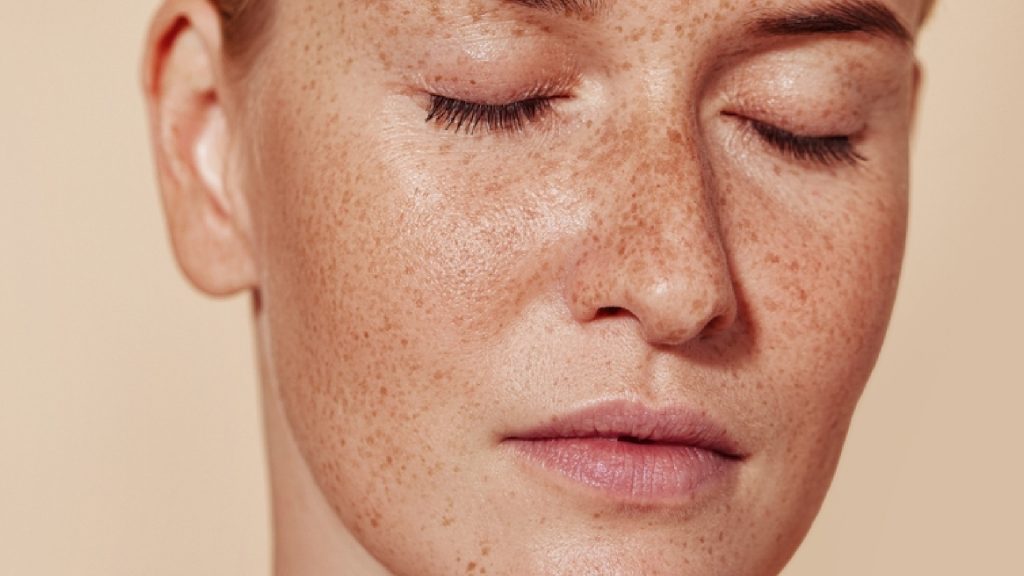
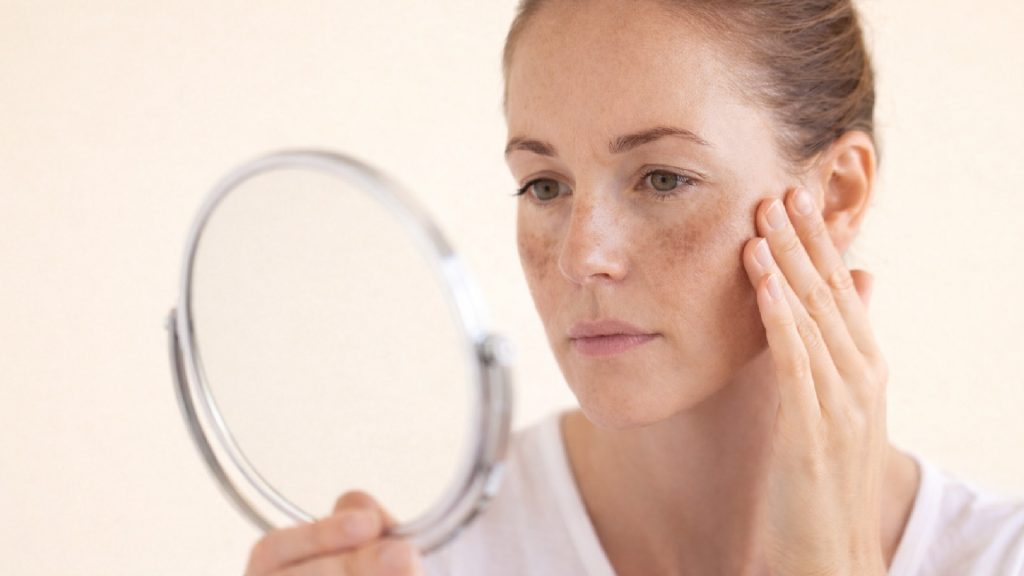
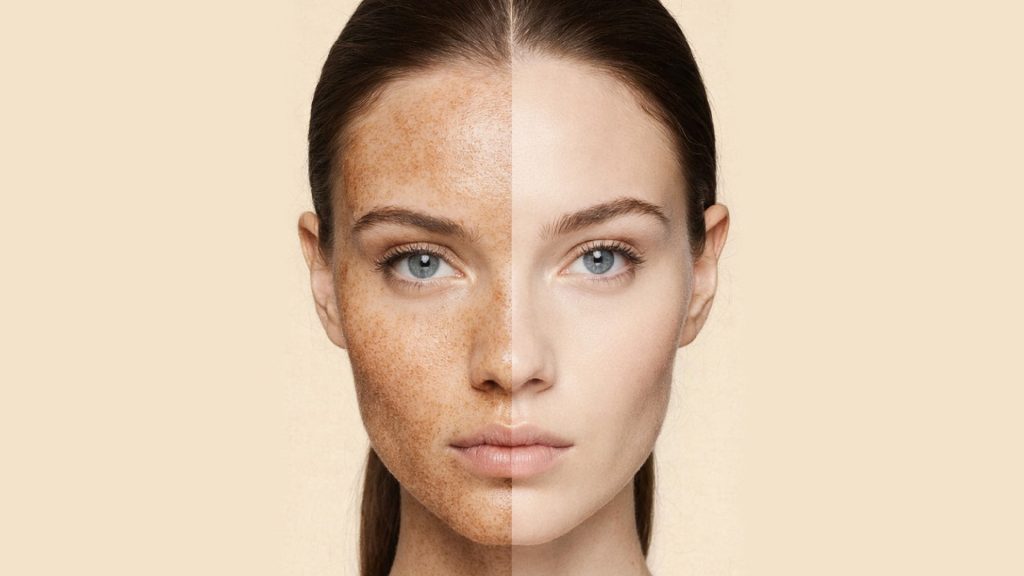
    Many people living in Dubai notice stubborn pigmentation, dark patches, sunspots, or uneven skin tone appearing earlier than expected. It often starts subtly, a small patch on the cheek, freckles that refuse to fade, or dull skin that once looked bright. 

    The truth is simple: Dubai’s climate accelerates sun damage. 

    The good news? Modern aesthetic treatments can repair and rejuvenate your skin more effectively than ever before. 

    Let’s explore how sun damage happens, how you can repair it, and the advanced treatments experts recommend in Dubai. 

    Why Sun Damage Happens Faster in Gulf Countries? 

    Living in Gulf countries means enjoying sunshine almost every day of the year. While the bright sun makes beach mornings and rooftop evenings beautiful, it can also affect your skin more quickly than in many other parts of the world. The Gulf climate creates the perfect conditions for sun damage to develop faster. 

    One major reason is strong UV radiation throughout the year. Unlike places with mild or seasonal sun exposure, Dubai’s sunlight stays intense most of the time, gradually weakening the skin barrier and triggering pigmentation. 

    The environment also increases exposure. Desert sand, glass skyscrapers, and water surfaces reflect sunlight, meaning your skin can receive UV rays even when you’re not directly under the sun. On top of that, high temperatures can dehydrate the skin, making it more sensitive to damage. 

    And of course, the outdoor lifestyle in Dubai adds exposure. Beach days, poolside relaxation, and rooftop gatherings all mean spending more time under strong sunlight. 

    Over time, this constant exposure can lead to common skin concerns such as: 

    • Hyperpigmentation 
    • Melasma 
    • Sunspots 
    • Uneven skin tone 
    • Fine lines and wrinkles 
    • Dull, dehydrated skin 

    This is why many residents eventually look for professional solutions like pigmentation treatment Dubai, sunspots treatment Dubai, or hyperpigmentation treatment Dubai when skincare products alone are no longer enough to repair the damage. 

    What are the Most Common Types of Sun Damage? 

    Sun damage doesn’t always look the same for everyone. It can appear in different forms of pigmentation, depending on how your skin reacts to long-term sun exposure. Understanding the type of pigmentation, you’re dealing with helps doctors and skincare experts choose the most effective treatment for your skin. 

    Sunspots (Solar Lentigines) 

    Sunspots are one of the most common signs of sun damage. These are small brown or dark patches that develop after years of repeated sun exposure. They usually appear in areas that receive the most sunlight, such as: 

    • Cheeks 
    • Forehead 
    • Nose 
    • Hands 

    While they may start small, sunspots often become darker and more noticeable over time. This is why many people eventually look for sunspot treatment in Dubai to restore a clearer and even more skin tone. 

    Hyperpigmentation 

    Hyperpigmentation occurs when the skin produces excess melanin, the pigment responsible for skin colour. This can happen due to UV exposure, skin inflammation, acne marks, or hormonal changes. 

    Over time, these darker patches can become more stubborn and harder to treat with regular skincare products. As a result, hyperpigmentation treatment in Dubai has become one of the most requested aesthetic procedures among residents seeking brighter, more balanced skin. 

    Melasma 

    Melasma appears as larger, patchy areas of pigmentation, usually across the cheeks, upper lip, nose, or forehead. It is often linked to sun exposure, hormonal changes, or genetics. 

    In sunny climates like Dubai, constant UV exposure can make melasma darker and more persistent. Because of this, many people seek melasma treatment in Dubai to help manage and reduce the appearance of these patches while protecting the skin from further damage. 

    Advanced Treatments That Repair Sun-Damaged Skin 

    Due to modern dermatology and aesthetic medicine, repairing sun-damaged skin is now more effective than ever. Today, several advanced treatments can help restore your skin’s clarity, brightness, and smooth texture while reducing visible pigmentation caused by long-term sun exposure. 

    Here are some of the most effective treatments used by skin experts. 

    Laser Treatment for Pigmentation 

    One of the most advanced and popular options is laser treatment for pigmentation. This technology works by targeting excess melanin in the skin while leaving the surrounding tissue unharmed. The laser breaks down dark pigment particles so the body can naturally eliminate them. 

    Some of the key benefits include: 

    • Breaking down stubborn pigmentation 
    • Improving overall skin tone and clarity 
    • Stimulating collagen production 
    • Reducing sunspots and discolouration 

    Because of its precision and visible results, laser therapy has become a widely recommended option for pigmentation treatment in Dubai, especially for patients dealing with long-term sun damage. 

    Chemical Peel for Sun Damage 

    A chemical peel for sun damage works by gently removing the outer layer of damaged skin. As the old skin cells shed, healthier and fresher skin emerge underneath. 

    Chemical peels can help improve: 

    • Sunspots 
    • Uneven skin tone 
    • Fine lines 
    • Mild melasma 

    After a few sessions, many people notice that their skin appears brighter, smoother, and more evenly toned. 

    HydraFacial for Sun Damage 

    If you’re looking for a gentler treatment, HydraFacial for sun damage is an excellent option. This non-invasive treatment deeply cleanses, exfoliates, and hydrates the skin while infusing it with antioxidants and nourishing ingredients. 

    Its benefits include: 

    • Restoring skin hydration 
    • Improving dull and tired-looking skin 
    • Reducing mild pigmentation 
    • Enhancing the skin’s natural glow 

    Many patients combine HydraFacial with other treatments as part of a long-term skin rejuvenation treatment plan in Dubai. 

    Facial for Sun-Damaged Skin 

    Professional facials designed specifically for sun-exposed skin can also play an important role in repairing and maintaining healthy skin. A customised facial for sun-damaged skin focuses on nourishing the skin barrier and improving overall skin health. 

    These facials may include: 

    • Deep exfoliation 
    • Hydrating and calming masks 
    • Brightening serums 
    • Collagen-boosting ingredients 

    While facials may not treat deep pigmentation on their own, they are excellent for maintaining results between advanced treatments and keeping the skin refreshed and healthy. 
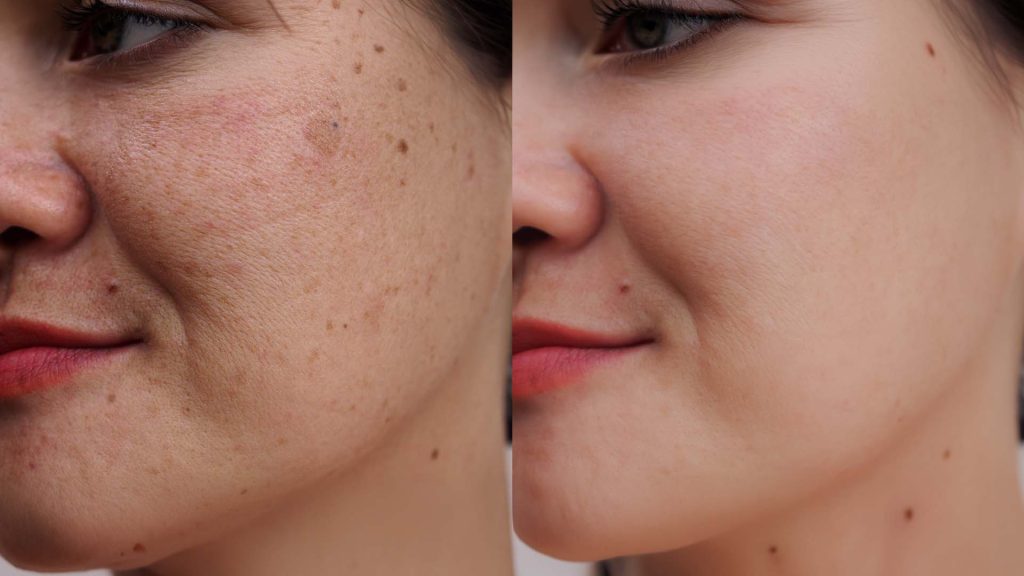
    Skin Rejuvenation

    Skin Rejuvenation: Repairing More Than Just Pigmentation 

    Recovering sun damage isn’t only about fading dark spots or reducing pigmentation. True skin repair goes deeper; it focuses on restoring the overall health and vitality of the skin. 

    Modern skin rejuvenation treatment in Dubai approaches work by addressing multiple concerns at once. Instead of treating just the visible spots, these treatments help rebuild the skin from within, improving both appearance and long-term skin health. 

    Advanced rejuvenation treatments typically focus on: 

    • Improving skin texture so the skin feels smoother and more refined 
    • Boosting collagen production, which helps reduce fine lines and restore firmness 
    • Restoring hydration to repair the skin barrier and prevent dryness 
    • Enhancing the skin’s natural glow for a healthier, more radiant look 

    When these treatments are combined in a personalised way, patients often notice dramatic improvements not only in pigmentation but also in overall skin quality, leaving the skin clearer, brighter, and more youthful looking. 

    Preventing Sun Damage in Dubai 

    While treatments can repair damage, prevention remains essential. 

    Here are dermatologist-recommended tips for preventing sun damage in Dubai: 

    • Apply broad-spectrum sunscreen (SPF 50) daily 
    • Reapply sunscreen every 2–3 hours outdoors 
    • Wear sunglasses and wide-brim hats 
    • Avoid peak UV hours (12 PM – 3 PM) 
    • Use antioxidant skincare products 
    • Schedule professional skin treatments regularly 

    These small habits make a huge difference in maintaining healthy skin in Dubai’s intense climate. 

    How Amara Aesthetic Studio Helps Restore Sun-Damaged Skin? 

    When it comes to advanced skin care, expertise matters. Amara Aesthetic Studio offers personalised solutions designed specifically for sun-damaged skin in Dubai’s climate. 

    Located in Al Jaddaf, the clinic conveniently serves clients from Jumeirah, Downtown Dubai, Business Bay, Dubai Marina, Mirdif, and across the city. 

    The clinic specialises in: 

    • Pigmentation treatment  
    • Sunspot treatment 
    • Laser treatment for pigmentation 
    • Chemical peel for sun damage 
    • Advanced skin rejuvenation treatment  

    Treatments are customised based on skin type, pigmentation depth, and lifestyle factors. 

    The clinic also sees a diverse international clientele, with many Arab and Russian women choosing Amara for its customised aesthetic treatments and advanced skin care solutions. 

    Every treatment plan is designed to restore skin clarity while protecting it from future sun damage. 

    Restore Your Skins Natural Glow

    Restore Your Skin’s Natural Glow 

    Sun damage may feel inevitable in Dubai, but permanent damage doesn’t have to be. 

    With the right combination of advanced treatments, expert care, and consistent sun protection, your skin can regain its brightness, smoothness, and youthful glow. 

    If you’re noticing pigmentation, sunspots, or uneven skin tone, professional guidance can make all the difference. 

    Reach out to Amara Aesthetic Studio to explore personalised solutions for repairing sun-damaged skin. Email us at info@amaraclinics.ae or call us on +971 54 324 1234 

    Expert care, advanced treatments, and personalised skin solutions designed for life under Dubai’s sun. 

    FAQs 

    Q1. Can sun-damaged skin be repaired completely? 

    Yes, sun-damaged skin can often be significantly improved with the right treatments and skincare routine. Advanced treatments like laser therapy, chemical peels, and HydraFacial help reduce pigmentation, improve skin texture, and restore brightness. However, ongoing sun protection is essential to maintain results. 

    Q2. How long does it take to see results from pigmentation treatments? 

    The timeline depends on the type and depth of pigmentation as well as the treatment used. Some patients notice improvements after the first session, while deeper pigmentation may require multiple sessions over several weeks for visible results. 

    Q3. Which treatment is best for sunspots and pigmentation? 

    The best treatment varies depending on the skin type and pigmentation severity. Dermatologists often recommend laser treatment for pigmentation, chemical peels, or HydraFacial as effective options to reduce sunspots and restore an even skin tone. 

    Q4. Is laser treatment safe for sun-damaged skin? 

    Yes, laser treatment for pigmentation is generally safe when performed by trained professionals. The laser precisely targets excess pigment while protecting surrounding skin, helping to improve skin clarity and stimulate collagen production. 

    Q5. How can I prevent sun damage while living in Dubai? 

    Preventing sun damage requires consistent sun protection and skincare habits. Experts recommend using SPF 50 sunscreen daily, reapplying it every few hours, wearing protective clothing, and scheduling regular professional skin treatments to maintain healthy skin. 
  • How Dubai’s Sun Triggers Pigmentation — The Best Ways to Prevent It

    How Dubai’s Sun Triggers Pigmentation — The Best Ways to Prevent It

    Warm, sunny weather is one of the defining features of life across the Gulf region. While the bright climate can look beautiful, the constant exposure to strong sunlight and high temperatures can create ongoing challenges for the skin. Even short daily activities outdoors can gradually lead to dark spots, uneven skin tone, and melasma. Many people notice that pigmentation continues to appear or worsen despite using regular skincare products. 

    In this guide, we explain what causes skin pigmentation, how the Gulf region’s climate can influence skin changes, the available options for pigmentation treatment, and practical steps that can help reduce the risk of future discolouration. 

    Why Is Pigmentation Common in the Gulf Region? 

    The climate across Gulf countries can contribute to the development of stubborn pigmentation and uneven skin tone. Even individuals who spend limited time outdoors may gradually notice changes in their skin. Several environmental and lifestyle factors can influence this process. 

    High UV Exposure Throughout the Year 

    Countries in the Gulf experience strong ultraviolet (UV) radiation for most months of the year. This means the skin is regularly exposed to both UVA and UVB rays during everyday activities. 

    • UVA rays penetrate deeper layers of the skin and can contribute to premature ageing and pigmentation. 
    • UVB rays affect the surface of the skin and stimulate melanin production, which can lead to tanning and dark spots. 

    Repeated exposure over time may lead to sunspots, uneven tone, and conditions such as melasma. 

    Heat and Infrared Radiation

    Heat and Infrared Radiation causes pigmentation

    Beyond UV rays, high environmental temperatures can also affect the skin. Heat can increase inflammation within the skin, which may stimulate melanocytes, the cells responsible for producing pigment. 

    Infrared radiation from sunlight can penetrate deeper layers of the skin as well. This may contribute to increased melanin activity, which is one reason pigmentation concerns often become more noticeable during warmer months. 

    Daily Outdoor Exposure 

    Many daily routines naturally involve some level of sun exposure, including: 

    • Walking between buildings or parking areas 
    • Driving during daylight hours 
    • Spending time in outdoor seating areas 
    • Recreational activities near pools or open-air environments 

    Even short periods outdoors can contribute to cumulative UV exposure over time. 

    Sweat and Sunscreen Effectiveness 

    High temperatures and humidity can cause sweating, which may reduce how long sunscreen remains effective on the skin. If sunscreen is not reapplied regularly, the skin may remain partially unprotected during the day. This repeated exposure can gradually contribute to the development of pigmentation. 

    Hormonal Influences Combined with Sun Exposure 

    Certain pigmentation conditions, particularly melasma, are often associated with hormonal changes. Factors such as pregnancy, stress, or hormonal medications can increase the skin’s sensitivity to sunlight. 

    When these internal factors combine with strong environmental UV exposure, pigmentation may develop more quickly or become more difficult to manage. 

    Skin Sensitivity After Cosmetic Treatments

    Some cosmetic procedures, including chemical peels, laser treatments, and exfoliation, can temporarily make the skin more sensitive to sunlight. During this period, careful sun protection is important to prevent pigmentation from reappearing or becoming more visible. 

    In the Gulf region, pigmentation is rarely caused by a single factor. Instead, it usually develops due to a combination of strong UV exposure, high temperatures, daily outdoor routines, and individual biological triggers. Because of this, prevention and consistent sun protection are essential alongside professional treatment options. 

    What Happens to Your Skin Under UV Exposure? 

    When skin is exposed to ultraviolet (UV) rays: 

    • Melanocytes produce excess melanin 
    • Pigment clusters form 
    • Dark patches appear over time 

    This results in: 

    • Sun-induced pigmentation 
    • Freckles and age spots 
    • Dark spots from sun exposure 
    • Worsening melasma 

    Without proper treatment for sun damage in Dubai, these spots can become deeper and harder to treat. 

    Types of Pigmentation Caused by Sun Exposure

    Types of Pigmentation Caused by Sun Exposure

    Not all dark spots are the same. Sun exposure can trigger different types of pigmentation, and each requires a slightly different treatment approach. 

    1. Sunspots (Solar Lentigines) 

    Also known as age spots or liver spots, solar lentigines are flat, well-defined brown patches that develop after years of UV exposure. 

    Why do they form? 
    Prolonged sun exposure causes localised overproduction of melanin in specific areas. 

    Common areas: 

    • Face 
    • Hands 
    • Shoulders 
    • Upper chest 

    These spots usually require targeted treatment for sunspots, such as laser therapy, chemical peels, or medical-grade brightening treatments, as topical creams alone often give limited results. 

    1. Melasma 

    Melasma appears as symmetrical brown or greyish patches, most commonly on the cheeks, forehead, upper lip, and jawline. 

    Why do they form? 

    • Hormonal changes 
    • Heat exposure 
    • Strong UV radiation 

    In sunny climates like Dubai, melasma can worsen quickly. Heat alone, even without direct sunlight, can trigger flare-ups. That’s why many residents actively seek reliable melasma treatment options in Dubai that combine sun protection with medical therapies. 

    Melasma is often deeper and more stubborn than regular sunspots, requiring a structured treatment plan. 

    1. Post-Inflammatory Hyperpigmentation (PIH) 

    Post-inflammatory hyperpigmentation develops after skin inflammation, most commonly acne. 

    Why sun make it worse? 
    When inflamed skin is exposed to UV rays, melanocytes become overactive, darkening acne scars even further. 

    Common triggers: 

    • Acne breakouts 
    • Skin irritation 
    • Aggressive treatments 
    • Picking at pimples 

    PIH often requires advanced hyperpigmentation treatment, especially when sun exposure has deepened the discolouration. 

    Why Proper Diagnosis Matters? 

    Although these conditions may look similar, they behave differently beneath the skin. Treating melasma like a simple sunspot or ignoring PIH while focusing only on surface pigmentation can delay results. 

    Understanding the exact type of pigmentation is the first step toward choosing the right treatment and preventing it from returning. 

    Skin Pigmentation Causes: It’s Not Just the Sun 

    While UV rays are the primary trigger, other contributing factors include: 

    • Hormonal changes 
    • Pregnancy 
    • Certain medications 
    • Genetics 
    • Inadequate sunscreen protection 

    Understanding the causes of skin pigmentation helps in selecting the right treatment approach. 

    What Actually Prevents Sun-Induced Pigmentation?

    What Actually Prevents Sun-Induced Pigmentation?

    Preventing pigmentation in a high-UV climate like Dubai requires a layered strategy, not just a quick swipe of sunscreen in the morning. True prevention combines protection, repair, and professional care. 

    1. Medical-Grade Sunscreen 

    Using SPF 50+ with broad-spectrum protection (UVA + UVB) is non-negotiable. 

    Why it matters: 

    • UVA rays trigger deep pigmentation and melasma 
    • UVB rays stimulate melanin production 
    • Consistent exposure causes pigment to settle deeper over time 

    What actually works: 

    • SPF 50+ 
    • PA+ or high UVA rating 
    • Reapplication every 2–3 hours 
    • Tinted sunscreen (helps block visible light, which worsens melasma) 

    In Dubai’s climate, lightweight but high-protection formulas are essential to ensure you wear (and reapply) them. 

    1. Antioxidant Skincare  

    Sunscreen protects, but antioxidants repair and defend. 

    Vitamin C serums help: 

    • Neutralise free radicals caused by UV exposure 
    • Reduce oxidative stress 
    • Brightening early pigmentation 
    • Prevent uneven skin tone 

    Pairing Vitamin C with sunscreen creates a stronger defence shield against sun-induced pigmentation. 

    Other helpful antioxidants include: 

    • Vitamin E 
    • Ferulic acid 
    • Niacinamide 

    Together, they reduce inflammation and slow down melanin overproduction. 

    1. Heat Protection 

    Heat itself can trigger melasma, even without direct sunlight. 

    Practical prevention tips: 

    • Wear wide-brim hats 
    • Use umbrellas in peak heat 
    • Avoid direct sun between 11 AM to 4 PM 
    • Stay in shaded areas when possible 

    Reducing heat exposure lowers inflammation, which helps control pigment flare-ups. 

    1. Professional Treatments 

    If pigmentation has already started, early professional care prevents it from becoming deeper and more resistant. 

    Professional sun damage treatment in Dubai may include: 

    • Medical-grade peels 
    • Laser treatments 
    • Prescription depigmenting creams 
    • Chemical exfoliation under supervision 

    Treating pigmentation early stops melanin from settling deeper into the dermis, where it becomes harder to fade. 

    1. Consistency Over Quick Fixes 

    The biggest mistake? Treating pigmentation only after it appears. 

    True prevention requires: 

    • Daily protection 
    • Long-term skincare discipline 
    • Regular skin assessments 
    • Maintenance treatments when needed 

    Preventing sun-induced pigmentation isn’t one product; it’s a complete skin protection strategy. In a sun-intense city like Dubai, consistent protection, antioxidant support, and timely professional care are what truly keep dark spots from forming or returning. 

    Best Pigmentation Treatment in Dubai 

    If prevention hasn’t worked, professional intervention is the most effective solution. 

    Advanced Hyperpigmentation Treatment Options: 

    • Q switch therapy
    • Chemical peels
    • Morpheus pro (Microneedling RF)
    • Dermapen
    • Medical facials
    • Customised skin brightening protocols

    Each hyperpigmentation treatment plan should be customised based on: 

    • Depth of pigmentation 
    • Skin type 
    • Lifestyle 
    • Underlying causes 

    For stubborn cases, specialised melasma treatment in Dubai is required, as melasma tends to recur without maintenance. 

    Treatment for Sunspots: What Works Best? 

    The most effective treatment for sunspots typically includes: 

    • Q-switched laser
    • Fractional laser 
    • Medical peels 
    • Combination therapy 

    These treatments target pigment at different depths within the skin while stimulating collagen regeneration. 

    UV Damage Skin Treatment: Why Early Action Matters 

    Delaying treatment can cause pigmentation to settle more deeply in the dermis, making it resistant to topical products. 

    Professional UV damage skin treatment not only improves skin tone but also: 

    • Boosts collagen production 
    • Reduces fine lines 
    • Restores skin clarity 
    • Improves overall texture 

    How Will Amara Aesthetic Help? 

    At Amara Aesthetic, we provide customised pigmentation treatment in Dubai designed for the region’s harsh climate. 

    Our Approach: 

    ✔ Advanced skin analysis 
    ✔ Personalised hyperpigmentation treatment plans 
    ✔ Safe laser technology 
    ✔ Targeted melasma treatment in Dubai solutions 
    ✔ Preventive skincare guidance 

    We don’t just treat existing pigmentation; we help prevent recurrence by addressing the root causes of skin pigmentation and strengthening your skin barrier. 

    Whether you’re struggling with dark spots from sun exposure, seeking effective sun damage treatment in Dubai, or need expert UV damage treatment for your skin, our specialists design a plan customised specifically for your skin. 

    Protect, Prevent & Restore your Skin with Amara!  

    Dubai’s sun is intense, and without proper protection, sun-induced pigmentation can quickly become a concern. Prolonged UV exposure often leads to dark spots, uneven skin tone, and stubborn hyperpigmentation. 

    The good news? With the right blend of sun protection, targeted skincare, and advanced professional treatments, you can maintain radiant, healthy-looking skin all year round. 

    If you’re ready to regain your skin’s natural clarity and confidence, consult Amara Aesthetic for expert pigmentation treatments in Dubai customised to your unique skin needs. For more info, drop us an email at info@amaraclinics.ae or call us on +971 54 324 1234

    Frequently Asked Questions – Pigmentation in Dubai

    Q1. Why is sun-induced pigmentation so common in Dubai?

    Dubai has a consistently high UV index throughout the year, exposing skin to strong UVA and UVB rays daily.
    This repeated exposure triggers excessive melanin production, leading to sun-induced pigmentation, dark spots, and uneven skin tone. Heat and infrared radiation further worsen conditions like melasma, increasing the need for professional pigmentation treatment in Dubai.

    Q2. What is the best pigmentation treatment in Dubai for sun damage?

    The best pigmentation treatment in Dubai depends on the type and depth of pigmentation. For sunspots and UV damage, treatments like Q-switched laser therapy, fractional lasers, and medical-grade chemical peels are highly effective.
    For deeper conditions such as melasma, customised melasma treatment in Dubai that combines laser therapy, prescription creams, and strict sun protection offers better long-term results.

    Q3. Can sunscreen alone prevent hyperpigmentation?

    Sunscreen is essential, but not enough on its own. While SPF 50+ broad-spectrum sunscreen helps prevent UV-induced pigmentation, combining it with antioxidants like Vitamin C and a professional UV-damage skin treatment when needed provides stronger protection.
    In Dubai’s climate, reapplication every 2–3 hours are crucial to prevent dark spots from sun exposure.

    Q4. What causes skin pigmentation besides sun exposure?

    Although UV rays are the main trigger, other factors that can cause skin pigmentation include hormonal changes, pregnancy, certain medications, genetics, acne (which can lead to post-inflammatory hyperpigmentation), and heat exposure.
    In Dubai, the combination of hormonal triggers and intense sun often makes hyperpigmentation treatment more complex and requires professional assessment.

    Q5. How do I know if I need melasma treatment or treatment for sunspots?

    Solar lentigines (sunspots) are usually well-defined brown patches caused by long-term UV exposure, while melasma appears larger; symmetrical patches often linked to hormones and heat.
    Proper diagnosis is important because melasma treatment in Dubai requires a more structured, long-term approach than standard treatment for sunspots. Consulting a dermatologist ensures you receive the appropriate treatment plan for hyperpigmentation.

  • Why Pigmentation Keeps Coming Back and How to Treat It Effectively

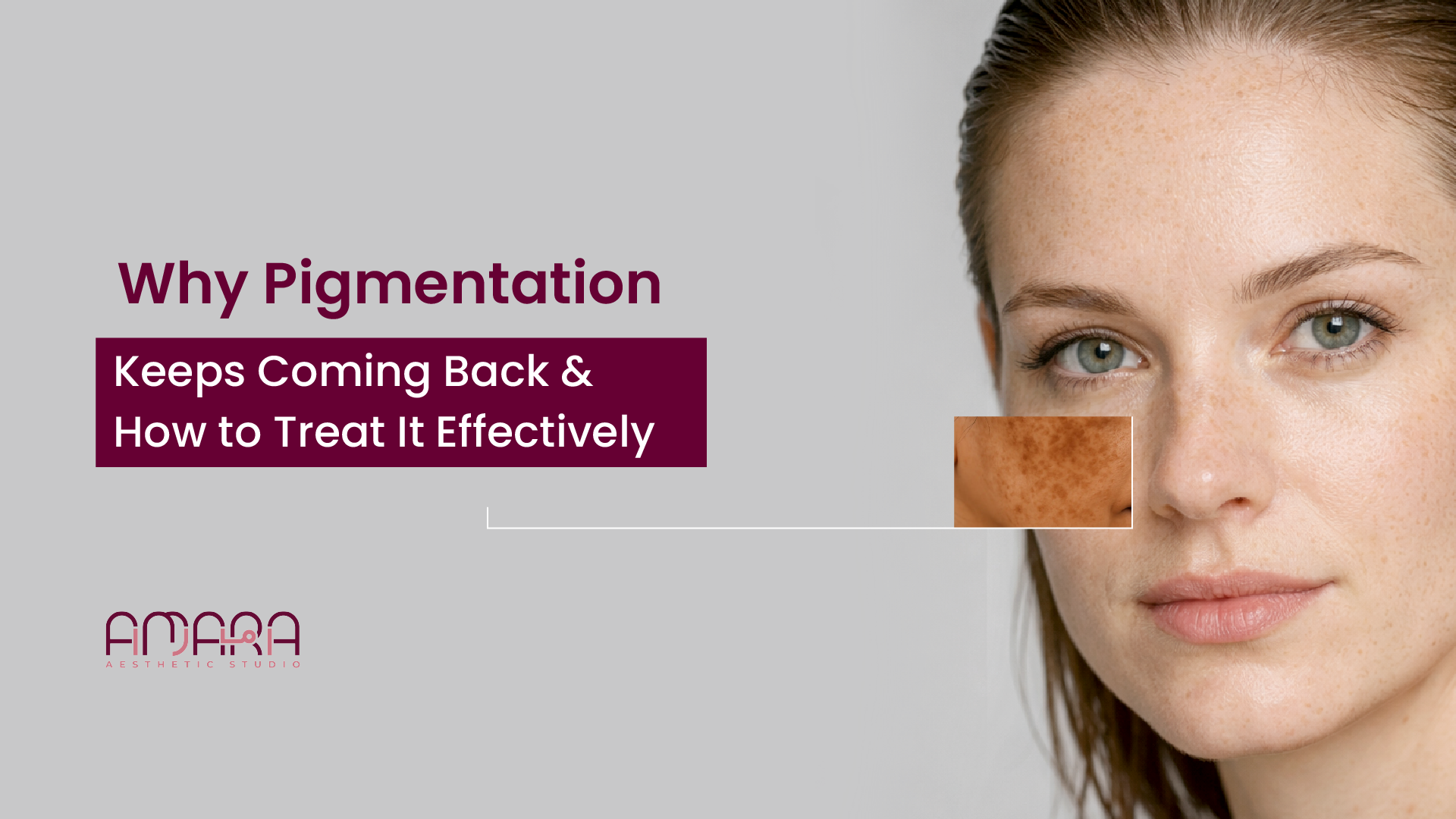
    Why Pigmentation Keeps Coming Back and How to Treat It Effectively

    Dark spots are fading today and reappearing tomorrow? It can feel frustrating, almost like your skin is playing a never-ending game with you. Just when you think you’ve won, pigmentation quietly makes a comeback. 

    Skin pigmentation happens when your skin produces extra melanin, leading to uneven tone and stubborn patches. From sun exposure and hormonal changes to daily habits and skincare mistakes. There are many causes of skin pigmentation that often go unnoticed but play a major role in recurring dark spots. 

    In Dubai’s harsh climate, intense sunlight and high temperatures increase the risk of skin pigmentation, as constant UV exposure triggers excess melanin production. Without proper care, maintaining clear, healthy skin becomes challenging. 

    That’s where professional treatment makes a real difference. Instead of temporary fixes, expert solutions target the root of pigmentation. At Amara Aesthetic Studio, advanced technology and personalised treatments help deliver long-lasting results. 

    In this blog, we’ll explore some common causes of pigmentation and why professional treatment is important. 

    Understanding Skin Pigmentation & Its Causes

    Skin pigmentation occurs when your skin produces excess melanin, resulting in dark spots and an uneven tone. In sunny cities like Dubai, this problem is even more common due to strong exposure to UV. Let’s look at the main skin pigmentation causes and why it often comes back. 

    Common Causes and Types of Skin Pigmentation in Dubai

    Skin pigmentation is a common concern in Dubai due to strong sunlight, pollution, and busy lifestyles. It usually occurs when your skin produces excess melanin, leading to dark spots and an uneven skin tone. 

    Main Causes of Pigmentation 

    Pigmentation can develop because of: 

    • Excessive Sun Exposure: Strong UV rays stimulate melanin production, leading to tanning, dark patches, and sunspots.
    • Hormonal Changes: Pregnancy, PCOS, stress, and birth control pills can trigger hormonal pigmentation like melasma.
    • Acne and Skin Injuries: Pimples, cuts, burns, and irritation often leave dark marks after healing.
    • Genetics: If pigmentation runs in your family, you may be more likely to develop it.
    • Certain Medications: Some medicines make your skin more sensitive to sunlight.
    • Pollution and Improper Skincare: Dust, pollution, and using the wrong products can damage the skin and worsen pigmentation.

    Common Types of Pigmentation Problems

    Common Types of Pigmentation Problems

    Understanding your pigmentation type helps in choosing the right treatment: 

    1. Melasma

    Appears as brown or grey patches on the cheeks, forehead, and upper lip. It is mainly caused by hormonal changes and sun exposure and needs long-term care. 

    2. Sunspots 

    Caused by prolonged sun exposure, these spots usually appear on the face, hands, and shoulders and become more visible with age. 

    3. Post-Inflammatory Hyperpigmentation (PIH) 

    Develops after acne, burns, or skin injuries. It leaves dark marks that fade slowly without proper treatment. 

    4. Freckles 

    Small light-to-dark brown spots, usually genetically in origin. They become darker with sun exposure and are more common in people with fair skin. 

    Why Does Pigmentation Keep Coming Back? 

    Many people see temporary results, but pigmentation returns because the real cause isn’t treated. 

    Here’s why: 

    • Skipping sunscreen
    • Treating only the surface, not melanin production
    • Ignoring hormonal issues
    • Inconsistent skincare
    • Delaying professional treatment

    Without proper care, new pigment continues to form under the skin. 

    Types of Pigmentation You Should Know

    Types of Pigmentation You Should Know

    With the right hyperpigmentation treatment in Dubai, you can effectively manage and reduce dark spots and uneven skin tone. Below are the main treatment types of pigmentations:  

    1. Laser Q-Switch Treatment

    A Laser Q-Switch uses high-intensity light to break down excess pigment in the skin, helping reduce dark spots, sun damage, and uneven skin tone without harming the surrounding tissue. It improves skin clarity and brightness, giving you a more even and glowing complexion with regular sessions. The cost starts at AED 399. 

    2. Chemical Peels for Brightening 

    Chemical peels remove the top layer of dead skin cells and promote the growth of new, healthy skin. They help reduce dullness, lighten dark patches, and improve skin texture, making the skin look fresher and more radiant. The cost starts at AED 700. 

    3. RF Microneedling (Adjunct) 

    RF microneedling combines tiny needles with radiofrequency energy to stimulate collagen production and repair damaged skin. It helps reduce pigmentation, smooth the skin, and enhance the results of other pigmentation treatments

    4. Skin Boosters 

    Skin boosters deeply hydrate and nourish the skin from within. They improve skin elasticity, restore glow, and support faster healing. Moreover, it makes them a useful addition to hyperpigmentation treatment plans. 

    5. Medical-Grade Brightening Facials 

    Medical-grade brightening facials use professional strength products to target dark spots and dullness. These facials cleanse the skin deeply, improve brightness, and provide instant freshness with regular sessions. 

    6. Combination Protocols 

    Combination protocols involve using two or more treatments together, such as lasers, peels, and skin boosters. This customised approach delivers faster, longer-lasting results and is often recommended for complex pigmentation issues. 

    Professional Pigmentation Treatments in Dubai 

    Professional Pigmentation Treatments in Dubai

    If you are struggling with uneven skin tone, dark spots, or stubborn marks, professional pigmentation treatment in Dubai offers safe and effective solutions.  

    Advanced clinics use modern technology and medical-grade skincare to deliver visible and long-lasting results. Below are the most popular and trusted methods for pigmentation removal that patients rely on.

    1. Laser Therapy 

    Laser therapy is one of the most advanced treatments for skin pigmentation. It works by delivering focused light energy into the skin to break down excess melanin (a dark pigment). The body then naturally removes these pigment particles. 

    Benefits: 

    • Targets deep and stubborn pigmentation
    • Improves skin clarity and brightness
    • Suitable for sunspots, melasma, and age spots
    • Minimal downtime 

    This is a highly effective option for long-term pigmentation treatment in Dubai. 

    2. Chemical Peels 

    Chemical peels use special medical solutions to exfoliate the top layers of skin. They remove dead cells and damaged skin, allowing fresh and healthier skin to appear. 

    Benefits: 

    • Reduces dark spots and dullness
    • Improves skin texture
    • Boosts skin renewal
    • Enhances glow

    Chemical peels are ideal for mild to moderate pigmentation and regular skin maintenance. 

    3. Microneedling 

    Microneedling creates tiny micro-injuries in the skin using fine needles. These stimulate natural collagen production and improve skin repair, helping fade pigmentation over time. 

    Benefits: 

    • Improves skin healing
    • Reduces acne marks and dark patches
    • Enhances product absorption
    • Makes skin firmer and smoother

    It is often combined with serums for better pigmentation removal in Dubai clinics. 

    4. Medical Facials 

    Medical facials are professional skin treatments performed by trained specialists. They combine deep cleansing, exfoliation, hydration, and targeted pigmentation solutions. 

    Benefits: 

    • Brightens skin tone
    • Removes surface pigmentation
    • Improves skin health
    • Provides instant freshness

    Unlike regular salon facials, medical facials use clinical-grade products for better results. 

    5. Advanced Skincare 

    Advanced skincare includes dermatologist-approved products and customised routines. These treatments work alongside clinical procedures to prevent pigmentation from returning. 

    Benefits: 

    • Controls melanin production
    • Protects skin from sun damage
    • Maintains treatment results
    • Improves overall skin quality 

    A personalised skincare plan is essential for long-term pigmentation treatment in Dubai. 

    Trusted Pigmentation Treatments at Amara Aesthetic Studio

    When it comes to treating pigmentation effectively, choosing expert care makes a real difference. Professional skin clinics in Dubai offer better treatments for pigmentation than home remedies and store-bought products. 

    At trusted clinics like Amara Aesthetic Studio, you benefit from: 

    • Detailed Skin Analysis: Specialists examine your skin type, pigmentation depth, and triggers before starting treatment.
    • Customised Treatment Plans: Every client receives a personalised plan based on their skin concerns and goals.
    • Medical-Grade Products & Technology: Clinics use clinically approved products and modern equipment to deliver safe, effective results.
    • Clinically Proven Skin Treatments: All procedures are guided by skin experts using proven methods.
    • Long-Term Results: The focus is not just on removing pigmentation but also preventing it from returning.
    • Safe & Proven Methods: Treatments are designed to be gentle, reliable, and suitable for different skin types.

    At Amara Aesthetic Studio, clients receive advanced pigmentation treatment in Dubai with customised solutions for long-lasting results. With modern technology, expert care, and personalised skincare plans, Amara ensures your skin gets the attention it truly deserves.

    Achieve Long-Lasting Pigmentation-Free Skin with Amara!  

    Pigmentation is a common concern in Dubai’s climate, often caused by sun exposure, hormonal changes, acne scars, and improper skincare. Understanding these causes is the first step toward effective treatment. When left untreated, dark spots can return, making it difficult to maintain clear, even-toned skin. 

    That’s why professional care matters. A professional-guided pigmentation treatment in Dubai focuses on controlling melanin production, repairing damaged skin, and preventing future pigmentation. With advanced technology and personalised skincare, long-lasting results are possible.

    Trusted pigmentation care skin clinics in Dubai, such as Amara Aesthetic Studio, provide customised hyperpigmentation treatment in Dubai using safe, medical-grade solutions. Their expert approach ensures effective pigmentation removal in Dubai while keeping your skin healthy and glowing. 

    Book your consultation today for brighter, clearer skin. Email info@amaraclinics.ae or call +971 54 324 1234 to get started.

    Frequently Asked Questions – Pigmentation

    Q1. Why does my pigmentation keep coming back even after treatment?

    Pigmentation often returns when the root cause, such as sun exposure, hormonal imbalance, or improper skincare, is not addressed. Without consistent sunscreen use and professional guidance, new melanin continues to form under the skin.

    Q2. Can pigmentation be treated permanently?

    Pigmentation can be significantly reduced and controlled with professional treatment and proper skincare. While some types (like melasma) need long-term management, consistent care can prevent frequent recurrence.

    Q3. Is sunscreen really necessary for pigmentation treatment?

    Yes, sunscreen is essential. UV rays trigger melanin production, which worsens dark spots. Daily use of broad-spectrum SPF is one of the most important steps in preventing pigmentation from returning.

    Q4. Which treatment works best for pigmentation in Dubai’s climate?

    In Dubai’s intense sunlight, combination treatments such as laser therapy, chemical peels, and advanced skincare work best. These target deep pigmentation while protecting the skin from environmental damage.

    Q5. How many sessions are needed to see visible results?

    The number of sessions depends on your skin type and pigmentation depth. Most people see improvement within 3–6 sessions, but stubborn cases may require ongoing maintenance.

    Q6. Can home remedies remove pigmentation?

    Home remedies may offer temporary brightness but cannot treat deep or hormonal pigmentation. Professional treatments are more effective for long-lasting and safe results.