Tag: pigmentation treatment

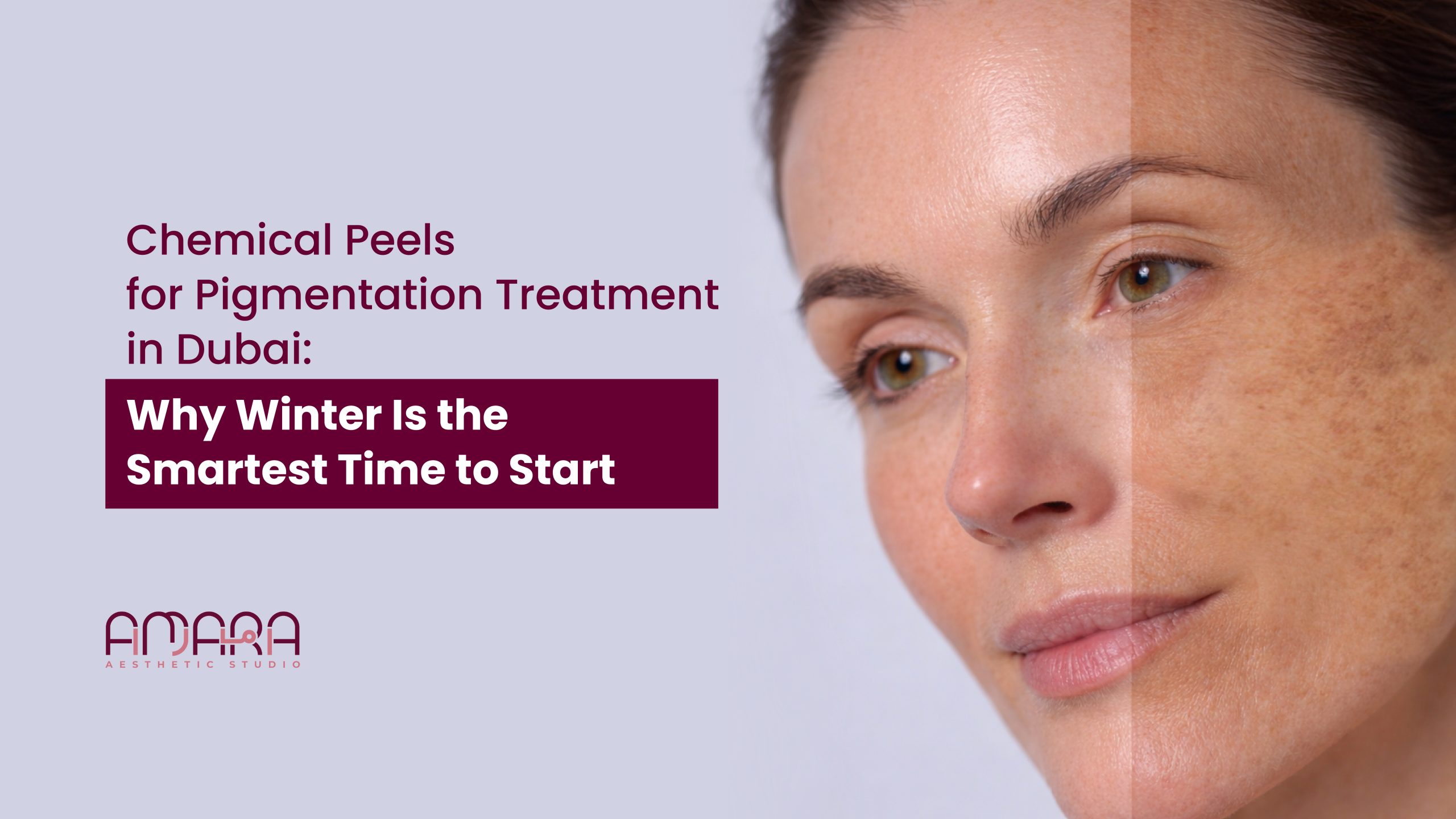
  • Chemical Peels for Pigmentation Treatment in Dubai: Why Winter Is the Smartest Time to Start

    Chemical Peels for Pigmentation Treatment in Dubai: Why Winter Is the Smartest Time to Start

    To begin with, most of us don’t really think about body pigmentation until summer arrives, when sleeveless outfits, beach plans, and bright daylight suddenly make everything more noticeable. Dark underarms. Uneven elbows. Pigmented knees. Old acne marks that never quite faded. And then the panic search begins; how to lighten dark underarms, dark elbows treatment, best treatment for Pigmentation.

    Here’s what most of you don’t realize: winter is actually the best time to start chemical peels for Pigmentation treatment. And there’s a very practical reason behind that. During winter, sun exposure is lower, which allows your skin to heal safely after the procedure and reduces the risk of further pigmentation. 

    Through this guide, let’s take a closer look at this. 

    When is the Right Time to Treat Pigmentation in Dubai? 

    In Dubai, sun exposure isn’t seasonal; it is constant. Even a bare minimum of daily exposure increases melanin production. That’s how your skin naturally defends itself from the harmful UV rays. But over time, it leaves behind stubborn discoloration especially in high-friction areas like underarms and elbows. 

    This is why many people struggle with recurring pigmentation even after trying creams or DIY remedies. If you choose pigmentation treatment in Dubai, it has proven to be quite effective as it addresses the deeper layers of pigment, not just what’s visible on the surface. And when it comes to treatments like chemical peel treatment, timing matters. So, hurry up and start your glow-up journey right away! 

    Why Winter Makes a Real Difference?

    After a chemical peel for pigmentation, your skin becomes more sensitive to sunlight for a short period. That’s normal. The treatment works by gently removing the outer layer of damaged skin, allowing fresh, healthier skin to surface. 

    Less sun exposure during winter means: 

    • Lower risk of rebound pigmentation
    • Safer healing
    • More predictable results
    • Better tolerance for structured sessions 

    When we say this, we are not just aligning with the trends but stating the biological facts. If you start in winter, by the time summer arrives, your skin has already gone through renewal cycles and stabilized. 

    What Chemical Peels for Pigmentation Treatment Actually Do? 
    What Chemical Peels for Pigmentation Treatment Actually Do? 

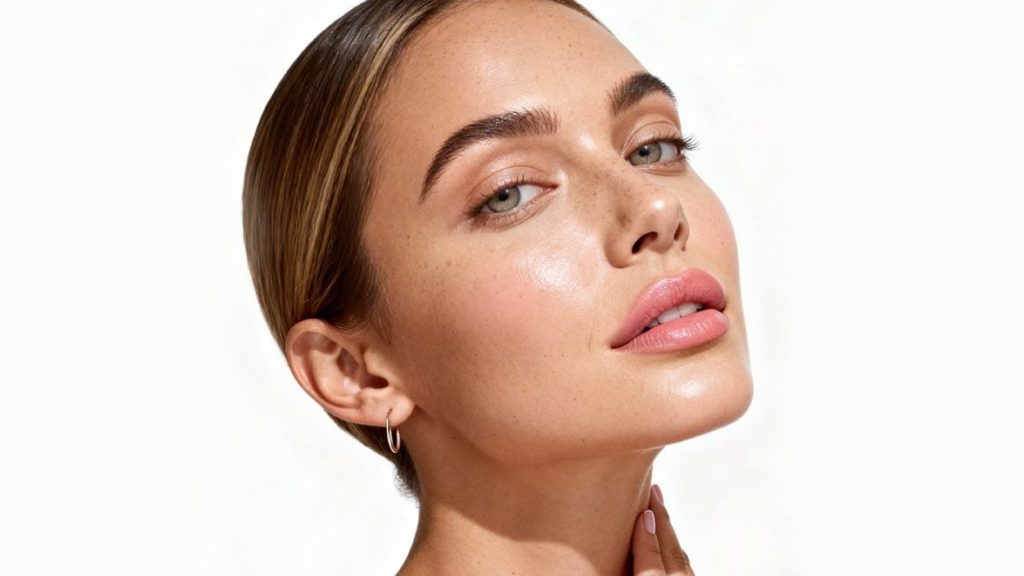
    Let’s try to make it easy for you to understand. So, what happens is that during chemical peels for pigmentation treatment, a carefully selected peeling solution is applied to the skin to gently remove the damaged outer layer. As fresh skin comes to the surface, excess pigmentation gradually starts to fade. 

    Over a series of sessions, you’ll notice: 

    • Gradual lightening of dark patches
    • Smoother skin texture
    • Reduced thickness in pigmented areas like elbows
    • More even tone overall 

    And when done correctly, it works beautifully for body pigmentation treatment as well, not just the face. 

    Areas Where Clients See the Most Improvement

    If we specifically talk about Amara, body-focused treatments are increasingly common. Pigmentation isn’t limited to facial skin. It covers:  

    1. Underarms 

    If you’re considering underarm pigmentation treatment in Dubai, peels can safely reduce discoloration caused by shaving, friction, or product buildup. Many clients searching for dark underarms treatment are surprised at how effective structured sessions can be. 

    2. Elbows 

    Elbow skin is thicker and often neglected. For those wondering how to lighten dark elbows, peels help reduce buildup and gradually brighten the area. It’s one of the most satisfying transformations over time. 

    3. Knees and Back 

    These areas respond well to consistent pigmentation removal treatment, especially when post-inflammatory marks are involved. 

    Are Chemical Peels the Best Treatment for Pigmentation? 

    There’s no single “best” solution for everyone. But for mild to moderate pigmentation, chemical peels are often considered one of the best treatments for Pigmentation options because they: 

    • Are customizable
    • Require minimal downtime
    • Work gradually and safely
    • Can be repeated in cycles 

    Laser treatments may be recommended for deeper pigmentation, but peels are often the starting point; especially for body areas. 

    What the Chemical Peel Process Looks Like? 
    What the Chemical Peel Process Looks Like? 

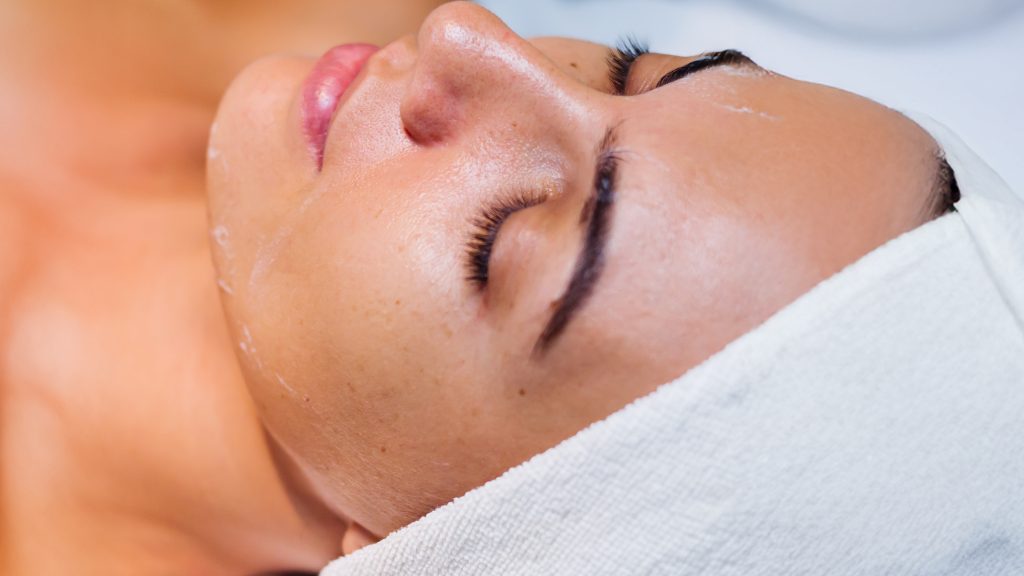
    The process begins with a detailed consultation where your skin type, lifestyle, friction habits, and shaving routine are carefully assessed because every detail matters. Based on this evaluation, a customized peel is selected, as not every skin tone reacts the same way, especially in a city like Dubai where sun exposure remains high throughout the year.  

    During the session, you may experience mild tingling, but the procedure itself is quick and comfortable. In the days that follow, slight dryness or flaking can occur, which is completely normal. Results appear gradually, which is how safe and effective treatments should work. For most people, 3 to 6 sessions are recommended to see visible improvement, particularly for underarm whitening treatment or elbow skin lightening. 

    Why Pigmentation Keeps Coming Back? 

    We are sure that this question has crossed your mind more than once. To answer this, Pigmentation isn’t just about color. It’s often about friction, irritation, and inflammation. 

    Common triggers include: 

    • Frequent shaving
    • Tight clothing
    • Harsh deodorants
    • Hormonal shifts
    • Sun exposure
    • Dead skin buildup

    Without addressing these, even the most effective chemical peel treatment won’t deliver long-term results. 

    Aftercare: Where Most People Go Wrong
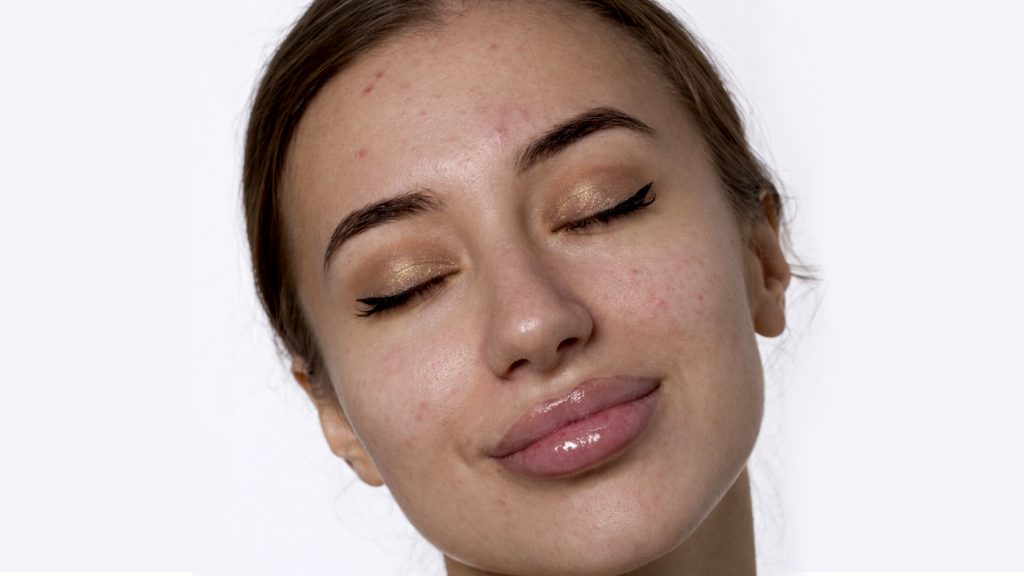
    Results don’t just depend on the procedure. After-care also makes a huge difference. Following the below-mentioned aftercare guidelines, consistently protect your investment and prevent recurrence.

    Post-treatment care usually includes: 

    • Strict sunscreen use
    • Avoiding friction on treated areas
    • Gentle moisturization
    • Temporary pause on shaving
    • No harsh scrubbing

    Pigmentation can feel frustrating because it’s stubborn. You try products. You exfoliate more. You switch deodorants. And nothing really changes. That’s because surface solutions rarely fix deeper discoloration. Starting chemical peels for pigmentation treatment in winter gives your skin the environment it needs to heal properly and respond gradually.

    At Amara Aesthetic Studio in Dubai, treatments aren’t rushed or standardized. Every pigmentation treatment plan is built after assessing skin tone, its sensitivity, and more. Our goal isn’t aggressive peeling. We focus on steady visible improvement that looks natural.

    Frequently Asked Questions – Chemical Peels

    1. Are chemical peels safe for underarms?

    Yes, when performed professionally. The peel strength is adjusted for sensitive areas. Mild tingling is normal, but downtime is minimal. Proper aftercare ensures safe healing.

    2. How soon will I see visible lightening?

    Texture improves quickly, but visible lightning usually takes 2–3 sessions. Pigmentation fades gradually, not overnight.

    3. Can I do this treatment in the summer?

    It’s possible, but winter is safer due to lower UV exposure. Summer treatments require very strict sun protection.

    4. Is pigmentation likely to come back?

    It can, especially with friction or sun exposure. Maintenance sessions and lifestyle changes help sustain results.

    5. Is the pigmentation treatment painful?

    Most clients describe it as mildly tingly, not painful. Discomfort is minimal and temporary.
  • Understanding Pigmentation: Types, Causes And Your Best Treatment Options 

    Understanding Pigmentation: Types, Causes And Your Best Treatment Options 

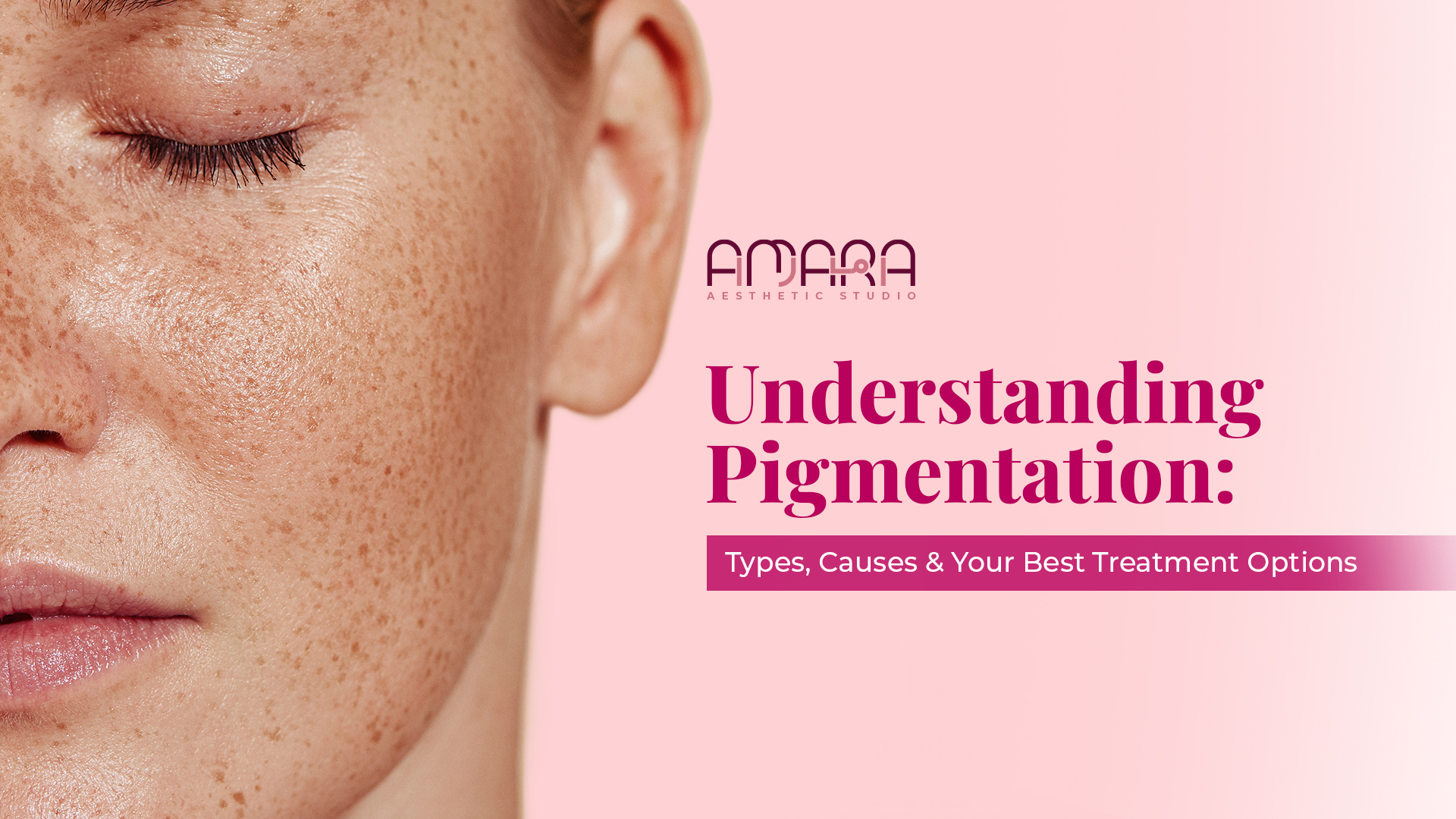
    Pigmentation issues can be extremely frustrating; you wake up, look in the mirror, and suddenly those dark patches or spots seem to have gotten deeper overnight. If this sounds familiar, you’re not alone. A large number of people deal with some or other forms of pigmentation, especially in climates like Dubai where sun exposure is unavoidable. 

    The good news? You can treat it. You must thoroughly understand the type of pigmentation you are dealing with and the right pigmentation treatment in Dubai to target it. Today, you’ll learn exactly about that. Through this blog, we have curated a simple and clear blog that helps you make informed decisions about your skin. 

    What is Skin Pigmentation? 

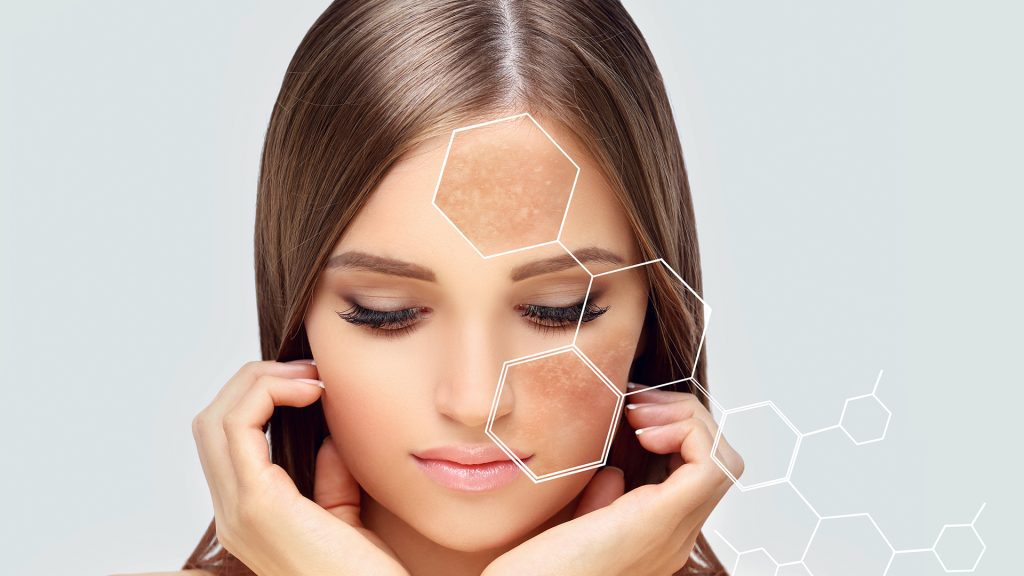
    Skin pigmentation is the natural colour of your skin, created by a pigment called melanin. When your body makes too much or too little melanin due to sun exposure, hormones, acne or injuries, you may notice dark spots, patches or uneven tone. This is called pigmentation. 

    Types of Pigmentation: What You Have & How to Treat It? 

    1. Sunspots / Age Spots (Solar Lentigines) 

    Sunspots happen when your skin produces excess melanin due to prolonged UV exposure. Pigmentation treatment is one of the most common concerns people experience, even if you wear sunscreen on a daily basis. 

    How to Identify Sunspots 

    You’ll likely notice: 

    • Flat, brown patches
    • Spots appearing mostly on cheeks, forehead, and nose
    • Darkening after sun exposure
    • They don’t fade easily on their own

    Effective Treatments 

    To lighten and even out your skin tone, the following work best: 

    • Laser treatments to break down excess pigment
    • Chemical peels to resurface dull and damaged top layers
    • Topical brightening serums containing AHAs, niacinamide, vitamin C
    • Medical facials designed for dark spots treatment 

    If you spend a lot of time outdoors or in the car, treating these early prevents deeper pigmentation layers from forming. 

    2. Melasma 

    Melasma - a pigmentation type

    Melasma is one of the most stubborn types of pigmentation. If you’ve experienced brown patches that look symmetrical (especially on your cheeks or upper lip), chances are it’s melasma. 

    It’s heavily influenced by hormones, heat, genetics, and sun exposure, so yes, Dubai’s climate does make it trickier. 

    How to Identify Melasma 

    You may notice: 

    • Brown or grey-brown patches
    • Symmetrical patterns on both sides of the face
    • Worsening after sun exposure, heat, and stress
    • Flare-ups during pregnancy or hormonal changes

    Effective Treatments 

    Melasma Treatment in Dubai requires a careful approach. The goal is to lighten the pigment without triggering inflammation. 

    • Low-intensity medical lasers designed for melasma
    • Meso-brightening infusions
    • Non-inflammatory chemical peels
    • Strict sun protection: your sunscreen is non-negotiable

    Melasma needs consistency and expert handling. Aggressive treatments can make it worse, which is why precision matters. 

    3. Post-Inflammatory Hyperpigmentation (PIH) 

    PIH occurs after acne, injuries, waxing, or aggressive skin treatments. It affects nearly everyone, especially if you have deeper skin tones. 

    How to Identify PIH 

    You’ll see: 

    • Brown or reddish spots after a pimple heals
    • Marks that linger longer than expected
    • Uneven tone after irritation or sensitivity

    Effective Treatments 

    To treat PIH treatment, these approaches deliver the fastest results: 

    • Mild to medium chemical peels to remove pigmented layers
    • Microneedling to repair and rebuild clearer skin
    • Laser toning for deep pigment lifting
    • Post-acne glow facials 

    PIH responds very well to treatment, especially when addressed early. 

    4. Freckles 

    Freckles are tiny clusters of pigmentation triggered by sun exposure and sometimes genetics. Many people love them, but if you want them to be reduced, it’s possible. 

    How to Identify Freckles 

    • Small, scattered brown spots
    • Darken quickly under sunlight
    • Usually found on the nose and cheeks 

    Effective Treatments 

    Freckles can be lightened with: 

    • Laser treatments
    • Chemical peels
    • Brightening facials
    • Topical lightening serums

    5. Deep Dermal Pigmentation

    Deep Dermal Pigmentation

    This happens when pigment sits deeper in the dermis, making it harder to treat. It’s often caused by: 

    • Untreated sun damage
    • Hormonal changes
    • Incorrect skincare or harsh treatments

    Effective Treatments 

    For deep pigmentation, multi-step plans work best: 

    • Laser toning sessions
    • Dermal brightening treatments
    • Medical facials targeting melanin production
    • Professional-grade topicals
    • Long-term maintenance

    Which Pigmentation Treatment Is Best for You? 

    Your skin is unique; your pigmentation is too. The best results come from treatments tailored specifically for your skin type, depth of pigmentation, and lifestyle. Dubai’s climate plays a big role, so choosing an expert-based, controlled approach is essential. 

    Pigmentation can feel overwhelming, but understanding the different types, from sunspots and melasma to PIH and freckles gives you the power to choose treatments that work. Whether you’re dealing with pigmentation and looking for pigmentation treatment in Dubai, the right guidance can fast-track your skin transformation. 

    At Amara Aesthetic Studio, you’re not just getting treatment; you’re getting personalized care from skin specialists who understand the science behind pigmentation and the unique challenges of Dubai’s environment. Your skin deserves expertise, precision, and safe, effective solutions, and that’s exactly what Amara delivers. 

    Frequently Asked Questions – Pigmentation

    1. What causes pigmentation on the face?

    Pigmentation is caused by sun exposure, hormones, acne, genetics, inflammation, or heat. Understanding the source helps guide the right treatment approach for long-term results. 

    2. Is melasma permanent?

    Melasma isn’t permanent, but it requires consistent, gentle treatment. With expert care and maintenance, you can significantly lighten patches and control flare-ups effectively. 

    3. How many sessions do pigmentation treatments require? 

    Most people need 4-6 sessions depending on the depth of pigmentation, skin type, and treatment chosen. Results improve progressively with each session. 

    4. Can pigmentation be returned after treatment? 

    Yes, especially melasma, if you skip sunscreen or trigger factors. Proper aftercare and maintenance prevent recurrence. 

    5. Are pigmentation treatments painful? 

    Most treatments are mild and tolerable. You may feel slight warmth or tingling, but numbing options are available for sensitive skin.

    6. Which treatment is best for PIH? 

    Chemical peels, laser toning, and brightening facials work best for PIH. They target surface and deeper pigment while improving overall skin clarity.