Tag: laser hair removal treatment

  • Soft Light or Laser Hair Removal for You: Making the Right Choice

    Soft Light or Laser Hair Removal for You: Making the Right Choice

    When it comes to hair removal, choosing the right method is extremely important, especially when it is about sensitive areas of your body like the face, bikini line, or underarms. Two popular methods that people generally consider for these delicate areas are Soft Light (IPL) and Laser Hair Removal.

    Both offer long-term hair reduction, but they differ in terms of comfort, effectiveness, and suitability for various skin types. Through this blog, we’ll compare the two methods to help you make an informed decision about which is best for you. Let’s get started. 

    What Is Soft Light Hair Removal? 

    Soft Light Hair Removal, also known as Intense Pulsed Light (IPL), is a non-invasive procedure that uses a broad-spectrum light to target hair follicles. Unlike lasers, which emit a single wavelength, IPL utilizes multiple wavelengths, making it a gentler and less intense method. The pigment in the hair absorbs the light emitted by the IPL device, and the energy works to destroy the follicle, preventing future hair growth. 

    Why Soft Light Is Ideal for Sensitive Areas 

    Soft Light treatments are often preferred for more sensitive or delicate areas such as face, upper lip, chin, and bikini line. Because IPL disperses light energy over a wider area, it’s generally gentler on the skin and less likely to cause irritation compared to lasers. This makes it a suitable option for people who want hair removal without the discomfort. 

    However, IPL works best on individuals with lighter skin and darker hair. If you have darker skin, the IPL treatment may be less effective due to the way the light is absorbed. 

    What Is Laser Hair Removal?
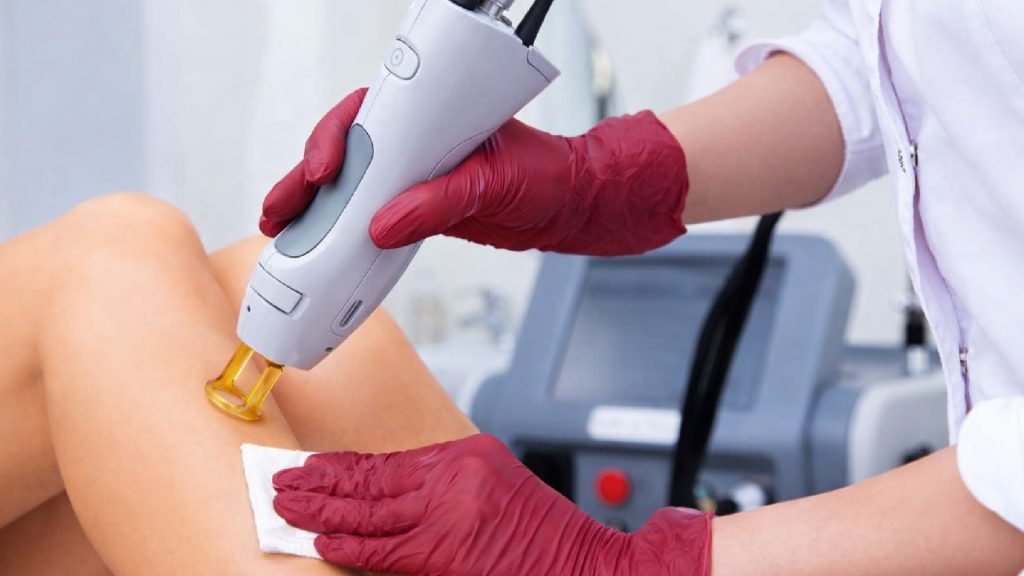
    Laser hair removal uses focused light of a single wavelength to target the pigment in hair follicles. The heat from the laser destroys the hair follicle, preventing future growth. Unlike IPL, which uses broad-spectrum light, laser hair removal is more concentrated and can treat areas with accuracy. 

    The Precision of Laser Treatment 

    Laser hair removal is a highly targeted treatment, making it ideal for precise areas like the upper lip, chin, or bikini line. It works best on individuals with light skin and dark hair. The treatment can also work on people with darker skin, though certain types of lasers may be required to adjust for different skin tones. 

    Laser hair removal is effective for permanent hair reduction and typically requires fewer sessions than Soft Light to achieve lasting results. 

    Soft Light vs Laser Hair Removal: Detailed Comparison 

    1. Effectiveness for Delicate Areas 

    Both Soft Light and Laser Hair Removal are suitable for hair removal in sensitive areas, but laser hair removal is generally more effective when it comes to permanent hair reduction. It requires fewer sessions, and the results are longer-lasting, particularly for individuals with darker, coarser hair. On the other hand, Soft Light (IPL) may need more sessions and works best on fine to medium hair types. 

    2. Pain and Comfort Levels 

    When it comes to pain, Laser Hair Removal tends to be a bit more intense due to the precision of the laser light. Patients often describe the sensation as a rubber band snapping against the skin. However, the discomfort is usually brief, and most clinics offer cooling systems to reduce pain. Soft Light (IPL), on the other hand, is generally more comfortable. Most people report only a mild sensation of warmth or slight tingling, making it a gentler option for those with low pain tolerance. 

    3. Skin Sensitivity 

    If you have sensitive skin, Soft Light might be the better choice. Since IPL disperses the light over a broader area, it is less likely to cause irritation or redness. However, people with darker skin tones may experience fewer effective results with IPL. Laser treatments, while precise and effective, can sometimes cause temporary redness or swelling, especially in sensitive areas. It’s important to consult with a professional to determine which treatment is best for your skin type. 

    4. Treatment Time and Sessions Required 

    Laser Hair Removal typically requires fewer sessions compared to Soft Light for permanent results. Most people will need around 6 sessions, spaced 4-6 weeks apart, to achieve long-lasting results. Soft Light (IPL), on the other hand, may require more sessions (7-10) to achieve similar results, especially on coarse or thicker hair. While IPL sessions are usually shorter in duration, the total number of sessions might be a consideration if you’re looking for the fastest possible results. 

    5. Suitability for Different Hair and Skin Type

    Laser hair removal is ideal for people with fair skin and dark hair because the laser targets the pigment in the hair. IPL is better suited for those with light to medium skin tones and darker hair. However, both methods have evolved, and there are newer technologies that cater to a wider range of skin tones and hair colors. For people with fine or light-colored hair, laser hair removal is typically more effective than IPL. 

    Final Verdict: Which Is Better for Sensitive Areas?
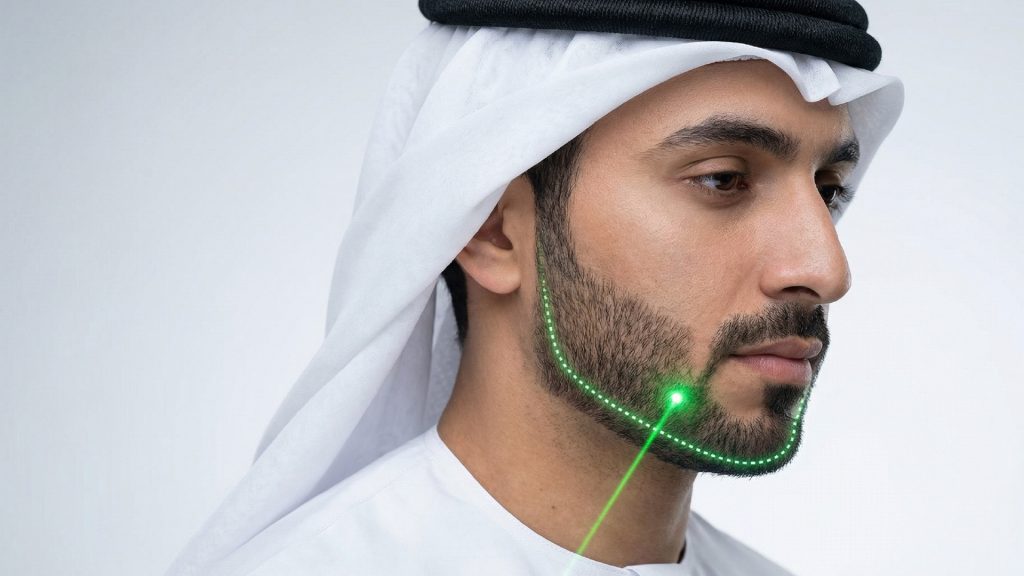
    Choosing between Soft Light (IPL) and Laser Hair Removal depends on your skin sensitivity, pain tolerance, and desired results. Soft Light is gentler and ideal for sensitive or delicate areas, offering a comfortable experience with minimal irritation. Laser Hair Removal, however, provides faster, long-lasting results, making it more effective for thicker, darker hair or stubborn growth in smaller areas, while requiring fewer sessions. 

    Why Choose Amara for Your Hair Removal Needs? 

    At Amara, we are dedicated to offering personalized, professional care for all our clients. Whether you choose Soft Light (IPL) or Laser Hair Removal, we’ll tailor the treatment to your skin type, hair color, and personal preferences.

    With state-of-the-art technology and a team of certified professionals, we provide a safe, comfortable, and effective experience every time. Choose Amara for expert hair removal services and achieve the smooth, hair-free skin you’ve always wanted. 

    Frequently Asked Questions – Soft Light vs Laser Hair Removal

    1. How long do the results of laser hair removal last?

    Laser hair removal offers permanent hair reduction after about 6-8 sessions. Maintenance treatments may be needed every 1-2 years for touch-ups.

    2. Is IPL safe for all skin types?

    IPL is best suited for light to medium skin tones. It may not be as effective for dark skin tones or fine hair, as the light is absorbed by pigmentation.

    3. How many sessions are needed for facial hair removal?

    Most individuals require 6-8 laser hair removal sessions spaced 4-6 weeks apart for optimal facial hair removal results.

    4. Can hormonal changes affect hair removal results?

    Hormonal imbalances can trigger hair regrowth, especially in areas like the face and chin. Hormonal treatments or additional sessions may be needed to address this issue.

    5. Are there any side effects of laser hair removal?

    Common side effects include temporary redness, swelling, or mild discomfort. Serious side effects like scarring or pigmentation changes are rare when performed by a trained professional.

    6. Does IPL work for fine or light-colored hair?

    IPL may not be as effective on fine or light-colored hair. Laser hair removal is typically better for treating such hair types.

  • Laser Hair Removal For Hormonal Friction Areas

    Laser Hair Removal For Hormonal Friction Areas

    Laser hair removal in Dubai is extremely famous as one of the most reliable long-term solutions for unwanted, stubborn hair. But while many people experience great outcomes inthe areas like the arms or legs, hormonal and friction-prone zones such as face, bikini line, underarms, and inner thighs behave very differently and cannot be treated with a one-size-fits-all approach.  

    These zones are influenced by hormonal activity, repeated skin friction, higher sensitivity, and denser hair growth patterns. Treating them successfully requires not only advanced laser technology but also clinical judgment, customized settings, and realistic expectations. 

    Thinking of laser hair removal for stubborn hair? A professional consultation is essential to assess your skin, hair pattern, and suitability before starting treatment. This blog explains why these areas need extra care, how laser technology interacts with hormonal hair growth, and what truly ensures safe & effective results. 

    How Laser Hair Removal Actually Works? 

    Laser hair removal in Dubai works by transferring concentrated light energy into the hair follicle. The pigment (melanin) in the hair absorbs this energy, which heats and softens the follicle enough to slow down or stop future hair growth. 

    However, laser treatment only affects hair that is in its active growth phase (anagen). Since not all hair grows simultaneously, multiple sessions are required to target follicles as they cycle into this phase. This biological limitation is why laser hair removal is a well-defined process rather than a one-time solution. 

    Results depend on several factors: 

    • Hair colour and thickness
    • Skin tone
    • Growth cycle timing
    • Hormonal influence
    • Area being treated 

    These variables are specifically important in hormonal and friction-prone zones.

    What Defines a Hormonal Hair Growth Area? 

    What Defines a Hormonal Hair Growth Area? 

    Hormonal areas are parts of the body where hair growth is strongly influenced by androgens (male-pattern hormones present in all genders). These include: 

    • Upper lip and chin
    • Jawline and neck
    • Bikini line
    • Lower abdomen
    • Chest (in some individuals)
    • Area above the knees (from the back)
    • Around the elbows (up and down)

    In these regions, hair follicles are more responsive to hormonal signals, which can trigger thicker, darker hair growth over time. 

    Why Hormonal Hair Is More Challenging? 

    Hormonal stimulation can cause: 

    • Faster regrowth
    • Mixed hair textures (coarse and fine hair together)
    • Irregular growth cycles
    • Partial regrowth even after successful laser sessions

    Laser hair removal for hormonal hair can significantly reduce hair density in these areas, but hormonal influence means maintenance sessions may be required, particularly if underlying conditions such as PCOS or thyroid imbalance are present. 

    Importantly, this does not mean laser “doesn’t work” on hormonal hair; it means expectations must be realistic and treatment must be consistent.

    Understanding Friction-Prone Areas and Their Sensitivity

    Friction-prone areas experience constant rubbing from clothing, skin folds, or movement. Common examples include: 

    • Underarms
    • Inner thighs
    • Bikini and groin creases
    • Between skin folds
    • Area above the knees (from back)
    • Around the elbows (up & down)

    These zones often have: 

    • Thinner skin
    • Higher nerve density
    • Increased sweat glands
    • Greater risk of irritation or pigmentation

    Repeated friction can already compromise the skin barrier, making careful laser settings and post-treatment care essential. 

    Why These Areas Require a Different Laser Strategy 

    Hormonal and friction zones cannot be treated aggressively without increasing the risk of side effects. Instead, a measured, customised approach is required. 

    Key considerations include: 

    • Adjusted energy levels to protect sensitive skin
    • Longer intervals between sessions if irritation occurs
    • Cooling mechanisms to reduce discomfort
    • Careful monitoring of skin response after each session

    Using overly high energy in these areas does not improve results; it increases the risk of burns, inflammation, and pigmentation issues. 

    Pain and Sensitivity: What to Expect 

    Pain and Sensitivity in Laser Hair Removal: What to Expect 

    Sensitivity varies from person to person, but certain areas tend to feel more intense during laser treatment: 

    • Upper lip and chin: thin skin and dense nerve endings
    • Bikini line: thick hair follicles combined with sensitivity
    • Underarms: moisture and friction increase sensation 

    Modern laser systems at Amara Aesthetic Studio use integrated cooling, contact chillers, or air cooling to minimise discomfort. In some cases, topical numbing cream may be recommended. 

    While laser hair removal for facial hair or other friction areas is not completely pain-free, discomfort is usually brief and well-tolerated when performed correctly. 

    Preparation Before Stubborn Hair Laser Removal Treatment 

    Proper preparation improves results and reduces the likelihood of side effects. 

    Before your session: 

    • Stop waxing or plucking for at least 3–4 weeks
    • Shave the area 24 hours prior to treatment
    • Avoid sun exposure or tanning
    • Do not apply active skincare products on the treatment area

    Aftercare: Protecting Sensitive Skin 

    Post-treatment care is particularly important for hormonal and friction areas. 

    After your session: 

    • Avoid heat, sweating, and friction for 24–48 hours
    • Wear loose, breathable clothing
    • Avoid fragranced products or deodorants temporarily
    • Use soothing, non-active skincare
    • Apply sun protection if the area is exposed

    Mild redness or warmth is common and usually subsides within a few hours. Experts at Amara guide you with the personalized after-care guide as per your skin type. 

    How Many Sessions Are Usually Needed?

    How Many Laser Hair Removal Sessions Are Usually Needed?

    Most people require multiple sessions for significant hair reduction, spaced several weeks apart. Hormonal areas often fall on the higher end of this range. As compared to normal hair removal; more sessions are required but it is worth the wait those are extremely sick of stubborn hair at unwanted areas. 

    It’s important to understand: 

    • Laser reduces hair growth progressively
    • Results build over time
    • Some regrowth may occur due to hormones
    • Maintenance sessions may be required annually or bi-annually

    Hair that does regrow is typically finer, lighter, and easier to manage. 

    Laser hair removal for hormonal and friction-prone areas requires a customised, clinically guided approach. At Amara Aesthetic Studio, each treatment plan is tailored to individual skin type, hair pattern, hormonal influence, and area sensitivity. With advanced technology, experienced practitioners, and a strong focus on skin safety, we are a trusted choice for effective laser hair removal in delicate and hormonally influenced areas. 

    Frequently Asked Questions – Laser Hair Removal for Harmonal Areas

    1. Is laser hair removal in Dubai safe for sensitive or friction-prone areas?

    When performed by trained professionals using appropriate technology, laser hair removal is safe for sensitive and friction-prone areas. Customised settings, proper cooling, and correct aftercare significantly helps.

    2. Can laser hair removal at Amara cause pigmentation changes?

    With us, pigmentation changes are uncommon as treatments are performed in a correct manner. Proper laser selection, conservative energy settings, sun avoidance, and diligent aftercare greatly reduce the risk of post-treatment darkening or uneven skin tone.

    3. How many sessions are typically required?

    Hormonal and friction-prone areas often require more sessions, depending on hair density, growth pattern, and underlying hormonal influences.

    4. Is laser hair removal permanent?

    Laser hair removal isn’t completely permanent, but it significantly reduces hair growth. Maintenance sessions are usually needed over time to manage regrowth and keep the area smooth.

    5. Can people with PCOS undergo laser hair removal?

    Yes, laser hair removal is commonly used for managing excess hair in individuals with PCOS. While it effectively reduces hair growth, ongoing hormonal activity may require regular maintenance sessions for sustained results.