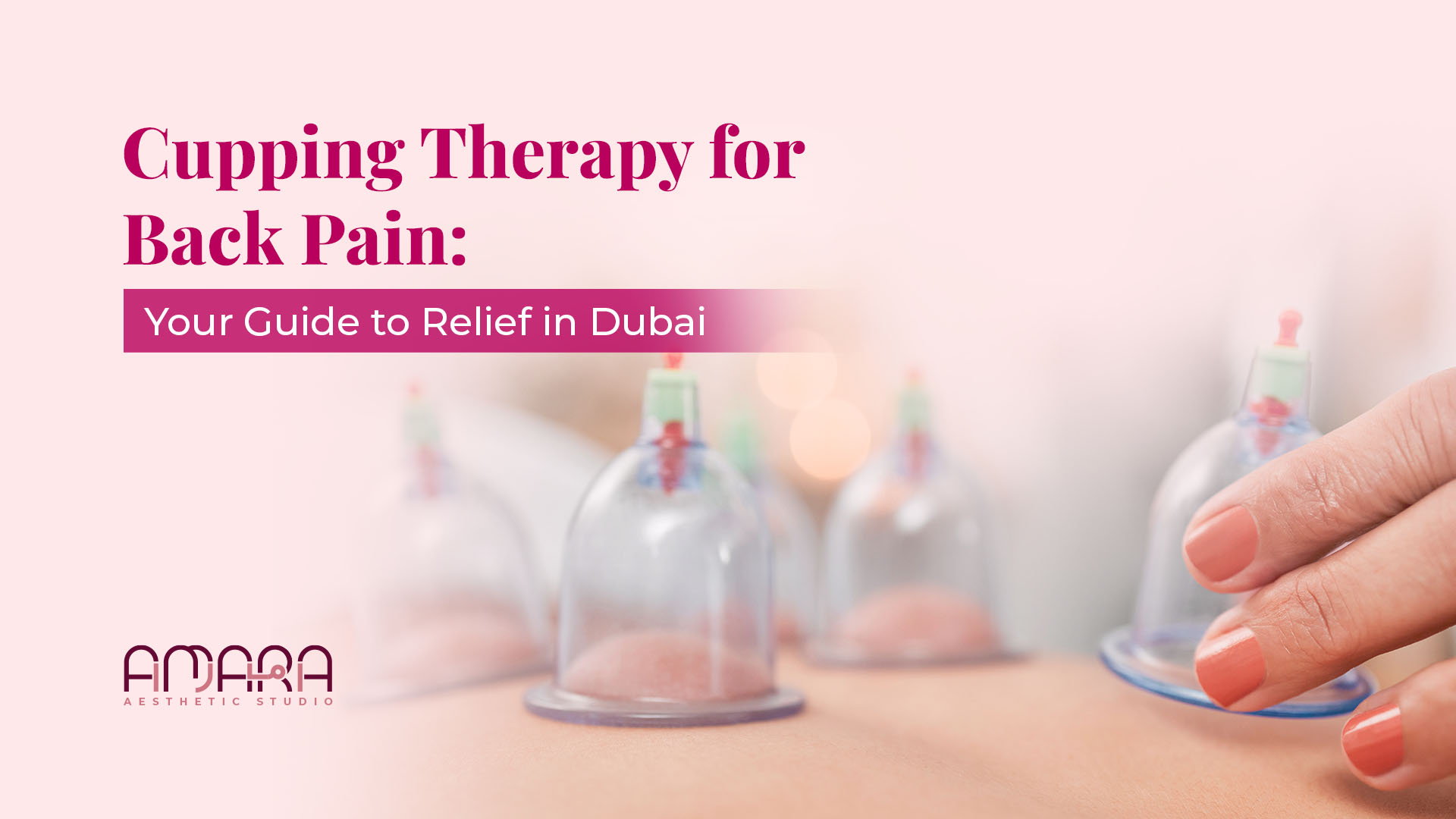
Tag: hijama therapy in dubai

  • Cupping Therapy for Back Pain: Your Guide to Relief in Dubai  

    Cupping Therapy for Back Pain: Your Guide to Relief in Dubai  

    Having a sore back can make it very hard for people to perform even the simplest chores. If you’ve already tried all the possible means to relieve that pain and nothing worked for a long time, it is the right time to try out an entirely new thing – Cupping Therapy. This therapy originates from an ancient technique, and nowadays it is one of the most popular choices among those who suffer from back pain. Let us see what cupping therapy is all about, how it works, and why it could be the solution that your back has always longed for. 

    Are you ready to experience the change?

    Schedule Your Cupping Session

    What Exactly Is Cupping Therapy?  

    Cupping is a method that uses vacuum cups applied to the patient’s skin to lift the tissues gently. Along with lifting, better blood circulation is facilitated, and muscle relaxation occurs, which is a natural healing process of the body.   

    If you are seeking cupping for Back Pain in Dubai, it is a harmless, non-invasive way to relieve pain without medication or intense pressure.  

    Types of Cupping Therapy for Back Pain 

    Cupping therapy, an ancient practice that uses suction, is still used for pain relief and better blood flow. There are different types of cupping used for back pain, including the ones mentioned below:  

    1. Dry (Static) Cupping:    

    Dry Cupping Therapy is the most widely used method. Cups are put on the skin for 5-10 minutes. The suction draws more blood to that area, thereby reducing muscle tightness and speeding up the healing process. It helps with chronic stiffness and minor pain.    

    2. Wet (Hijama) Cupping:    

    After the suction is done, incisions are made, and then the cups are put back on to suck out a little blood. This helps in cleansing the toxins out of the body and lower the swelling. Hijama therapy is helpful for back pain treatment in Dubai, but it also requires the area to be sterilized to prevent infection.    

    3. Fire Cupping:    

    In this method, the cup is heated briefly over a flame, creating strong suction. The heat facilitates muscle relaxation and blood flow; therefore, it is effective for deep tissue tension. However, it must be done by trained professionals to avoid burns.    

    4. Moving (Dynamic) Cupping:    

    Cups are moved over the oiled skin, thereby combining suction with massage. This method enhances flexibility, reduces stiffness, and is particularly suitable for larger muscle areas, such as the back.    

    5. Flash Cupping:    

    The cups are applied and removed very quickly, one after another, thus promoting blood flow and relieving light tension.    

    6. Ice Cupping   

    A method in which cold therapy and suction are used together to control swelling, inflammation, and pain after injury.  

    How Does Cupping Help Your Back Pain?
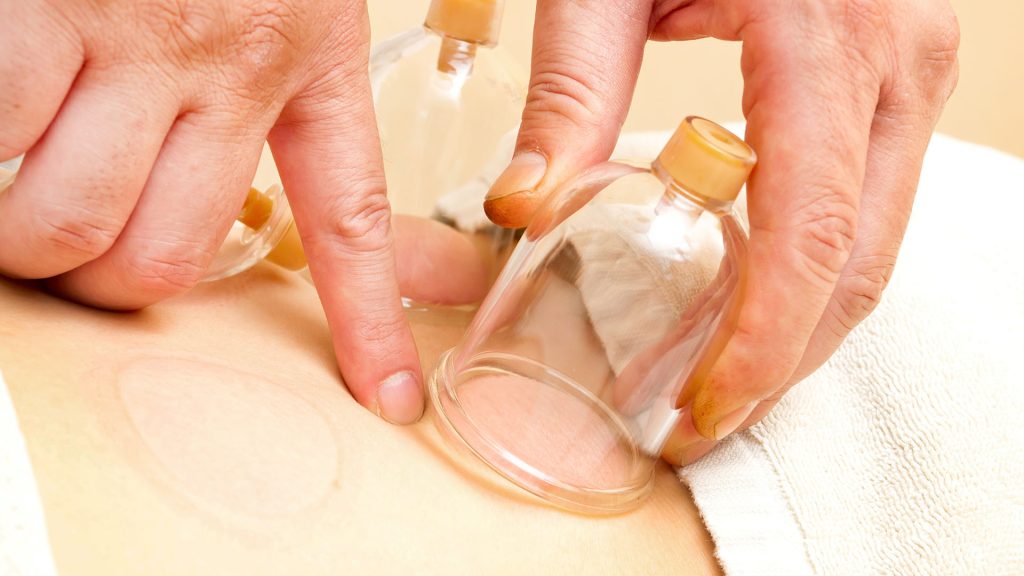
    How Does Cupping Help Your Back Pain

    Let’s look at what occurs when those cups start to operate:   

    • Better blood flow: New blood carries oxygen and nutrients to muscles that needs relaxation.
    • Fascia release: Gets rid of the “sticky” tissue that is the reason for the stiffness.
    • Trigger point relief: Focus on the sharp pain spots you dislike most.
    • Relaxation boost: Soothes your nervous system, thus lowering stress-related tension.

    If you have been looking for muscle pain relief in Dubai, then cupping is the new thing in the market.   

    What Happens During a Session?   

    Your comfort is of utmost importance. Here’s a list of what you can expect:   

    • Small Chat: We want to know about your pain, posture, and lifestyle.
    • Preparation: Skin is cleaned; if moving cupping is used, then oil is applied.
    • Cup positioning: Cups are placed on tight areas like upper back, mid-back, or lower back.
    • Mild suction: The pressure is adjusted to your comfort level.
    • Relax & Breathe: The cups remain in position for 5–10 minutes.

    Benefits You’ll Notice
    Benefits of cupping therapy
    • Less stiffness after long hours at the desk
    • Better flexibility and posture
    • Faster recovery after workouts
    • Reduced tension headaches
    • Improved sleep quality

    Aftercare Steps for Best Results   

    To gain the maximum benefits from your cupping session, follow these easy steps:   

    • Drink plenty of water: It aids detoxification and supports recovery.
    • Avoid high-intensity workouts for 24 hours: Allow your muscles to relax.
    • Apply warmth to the area: A Light heat pack or a warm shower is both wonderful.
    • Apply lotion to your skin: Gently rub lotion on dry areas to comfort them.
    • Try Easy stretches: Cat-cow, shoulder rolls, and torso twists will keep mobility up.
    • Do not use saunas or hot tubs for one day: Let your skin get used to it first.

    Back pain doesn’t have to control your life.With cupping therapy, you can enjoy better mobility, less tension, and a calmer mind. At Amara Aesthetic Studio, we make sure every session is safe, soothing, and tailored to you. We have a team of certified experts who understand your pain. At the clinic, there is modern equipment for safe sessions. For each of our clients, we deliver personalized care plans for lasting results. Be assured of a calm, relaxing environment designed for you. Your back deserves the best and that’s what we deliver.

    Frequently Asked Questions – Cupping Therapy for Back Pain

    1. Is cupping safe for back pain?

    Yes, when done by trained professionals. Expect mild marks that fade in a few days. Always share your health history for a safe experience.

    2. How many sessions do I need?

    Most people feel relief after 1–3 sessions. Chronic pain may need 4–6 sessions for lasting results.

    3. Does cupping hurt?

    No sharp pain, just gentle suction. You might feel tightness during the session and mild soreness after, which fades quickly.

    4. Does cupping help gym-related soreness?

    Absolutely! It improves circulation and speeds of recovery after heavy lifting or intense workouts.

    5. Will the marks after cupping therapy last long?

    Marks usually fade in 3–7 days. They’re no bruises, just signs of improved circulation.
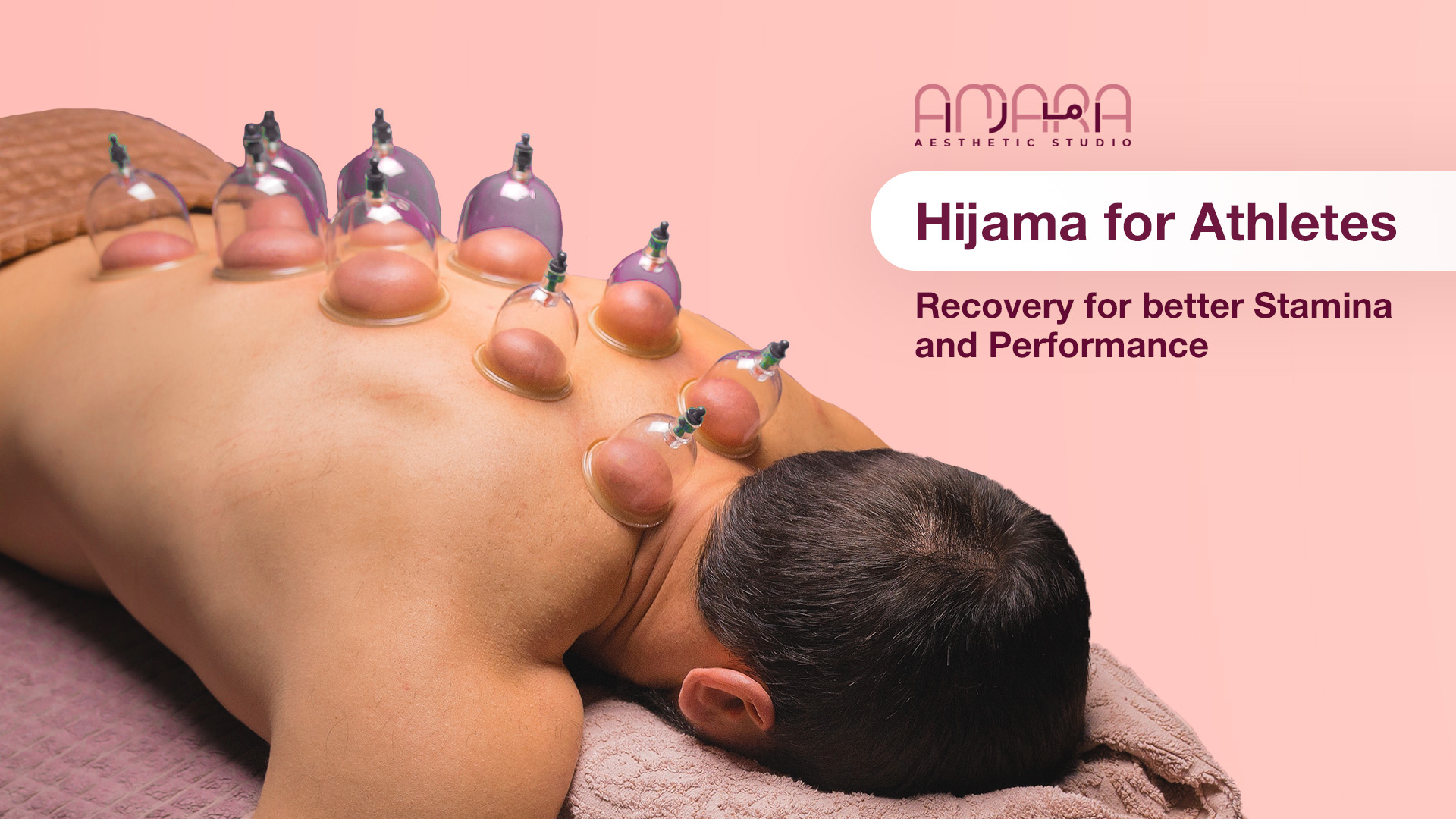
  • Hijama for Athletes: Recovery, Stamina, and Performance

    Hijama for Athletes: Recovery, Stamina, and Performance

    Training hard is one thing for an athlete. Recovering smarter is another. You can’t enhance performance without recovery. Now recovering well might sound simple, but an athlete knows the feeling of screaming muscles after a brutal session, energy dipping, and that lingering soreness that just won’t leave.  

    While maintaining adequate protein intake and getting 7 to 9 hours of quality sleep are key to faster recovery, many athletes are turning to therapy that has stood the test of time. They understand that even with all the right recovery steps, some areas of muscle soreness simply refuse to fade. The therapy in question is Hijama, also known as Wet Cupping Therapy

    In fact, there are many studies that show that Hijama therapy can help enhance sprint performance while reducing perceived exertion. Moreover, a 2025 study found that wet cupping post-exercise lowered blood lactate and heart rate, boosting recovery in athletes. 

    Whether you are sprinting, powering through intense circuits, or lifting heavy iron, understanding the Hijama Therapy and its benefits for sports will give you an edge that goes beyond modern recovery methods. In short, Hijama is not a wellness fad but a proven therapy for athletes, irrespective of the sport.  

    Now that we’ve explored how Hijama benefits athletes, it’s time to understand why recovery holds such vital importance in the first place. 

    Why Recovery Matters as Much as Training 

    Athlete relaxing after a workout

    Imagine training hard while creating micro tears in your muscles, only to do it all over again. While your performance highly depends on muscle strength, it can backfire on you if fatigue persists for long periods of time. Overworked muscles, fatigue, and slow healing can sabotage progress faster than a skipped warm-up. 

    This is where sports recovery hijama comes in. Unlike a deep tissue massage, which sometimes can’t get that deep, hijama therapy works on an even deeper level. By drawing out blood from the key areas, it stimulates blood circulation, flushes out metabolic waste, and triggers the body’s natural repair systems.  

    What Hijama Therapy Actually Does 

    If you’ve never tried Hijama or any form of cupping therapy, it might sound a bit intense at first. In reality, the process is simple, precise, and safe. In wet cupping for athletes, small suction cups are placed on tiny incisions over the affected area to gently draw out blood using vacuum pressure, creating a deep sense of release and detoxification.  

    How Hijama Helps in Muscle Recovery 

    As we mentioned above, training hard can often lead to microtears, which can eventually cause soreness and fatigue. Hijama for muscle recovery is the process of repairing muscle fibers, making them stronger, and preparing you as an athlete for the next session.   

    Furthermore, this can mean fewer DOMS (delayed onset muscle soreness) days, faster return to training, and less risk of overuse injuries. 

    Hijama for Stamina and Endurance 

    Hijama Therapy performed on an Athlete

    We often associate stamina with running for long durations, but in reality, it’s about how efficiently your body utilizes energy. When the blood in your body flows smoothly and the muscles get enough oxygen, your endurance improves automatically. Athletes who adopt hijama as a healing therapy have clearly experienced longer performance without feeling drained, reduced lactic acid buildup, and smoother recovery between training sets. Regardless of the sport you are participating in, this therapy can help your body sustain higher intensity for longer periods.  

    Whether you’re preparing for a marathon, a rugby match, or a CrossFit competition, this therapy can help your body sustain higher intensity for longer periods. 

    Enhancing Athletic Performance with Hijama

    Recovery is crucial, but performance is king. Hijama targets specific muscle groups and tension points, allowing athletes to move more efficiently. Improved circulation, reduced stiffness, and optimized muscle function can make a subtle yet significant difference.  

    How Cupping Therapy Works for Athletes: Process, Technique, and More  

    For those who are new to Hijama therapy the process is quite straightforward: 

    • Assessment: Firstly, your practitioner identifies the areas of muscle tension or fatigue.
    • Placement: After the thorough assessment of your body, the practitioner makes small incisions on the affected area and then places cups on these points.
    • Suction: The cups create a vacuum that draws the skin upward, increasing blood flow.
    • Controlled blood release: Small incisions allow blood to flow, triggering healing responses.
    • Recovery: After the session is completed, athletes rest briefly to let the body adjust. 

    Now you might be worried about the suction marks. Well, they fade within the days and have no impact on training.  

    Integrating Hijama into Training Routines

    Athlete running

    Till now, we have covered all “whys” to get hijama therapy done, but we haven’t talked about “when” yet. For an athlete, timing is indeed the most important aspect. Examining the difference between recovery and burnout is very important. Like any training tool, hijama works best when it’s part of a planned routine, not a one-off experiment. 

    Athletes should get the Hijama therapy done during their rest and recovery periods. The days after an intense training session or after a game/competition are good days to get the therapy done.  

    How to Find a Skilled Practitioner for Hijama Therapy in Dubai 

    Choosing the right expert for Hijama therapy can make all the difference for you and your body. In Dubai, where wellness is not a luxury but a necessity, you will find plenty of options, but you need to choose the right expert because not everyone offers the same level of care.  

    In a city like Dubai, where wellness is taken seriously, you’ll find plenty of options, but not everyone offers the same level of care. The key is to look for someone who understands both the science and the art behind Hijama.  

    Hijama is a very intriguing process, specifically hijama for muscle recovery. A good practitioner should know exactly where to apply the cups, how much suction to use, and how to make the process comfortable from start to finish. And of course, hygiene is everything.  

    That’s exactly what sets Amara Aesthetic Studio apart. Here, every Hijama session is done in a calm and meticulously clean setting. The professionals at Amara don’t just perform the therapy; they personalize it. Whether you’re recovering from intense training, dealing with muscle tightness, or simply want to boost endurance, they make sure each step feels safe, precise, and restorative.

    BOOK YOUR FREE CONSULTATION

    Frequently Asked Questions – Hijama for Athletes

    1. Can Hijama therapy help reduce soreness and stiffness? 

    Absolutely, it targets muscle knots and improves circulation, helping reduce post-training soreness and stiffness in hard-to-relax areas.

    2. Will I be able to train right after a session?

    It’s best to give your body 24-48 hours of rest before intense training, allowing your muscles to recover and respond to the therapy.

    3. Does Hijama leave marks or bruises?

    Mild circular marks can appear but usually fade within a few days. They’re a natural sign that blood flow and detoxification have been activated.

    4. Can Hijama help prevent sports injuries?

    Yes, it can definitely help prevent sports injuries by improving blood flow, reducing muscle tightness, and promoting faster recovery.

    5. How is Hijama different from sports massage or physiotherapy?

    While massages focus on muscle relaxation, Hijama goes deeper and removes stagnant blood and toxins, encouraging true internal recovery.

    6. Is there anything I should do before or after a Hijama session?

    Stay hydrated, avoid heavy meals beforehand, and rest after the session. Your body needs time to recharge and process the therapeutic effects.