You look in the mirror and sigh, another breakout, another mark, another reminder of past acne. But are you dealing with active acne, or stubborn acne scars that won’t fade?
Understanding the difference is the first step to better skin. When it comes to acne vs acne scars treatment, using the wrong approach can waste time, money, and patience. Breakouts need healing and control, while scars need targeted acne scar solutions to repair your skin’s texture.
Many people treat both problems the same way, and that’s where things go wrong. In this blog, we’ll help you identify your real skin concern and choose the right treatment. This is especially important in Dubai’s climate, where heat and sun affect your skin differently.
Acne vs Acne Scars: What’s the Real Difference?
Acne is what’s happening right now on your skin. It shows up as pimples, whiteheads, blackheads, redness, and swelling. It means your skin is still dealing with breakouts and inflammation.
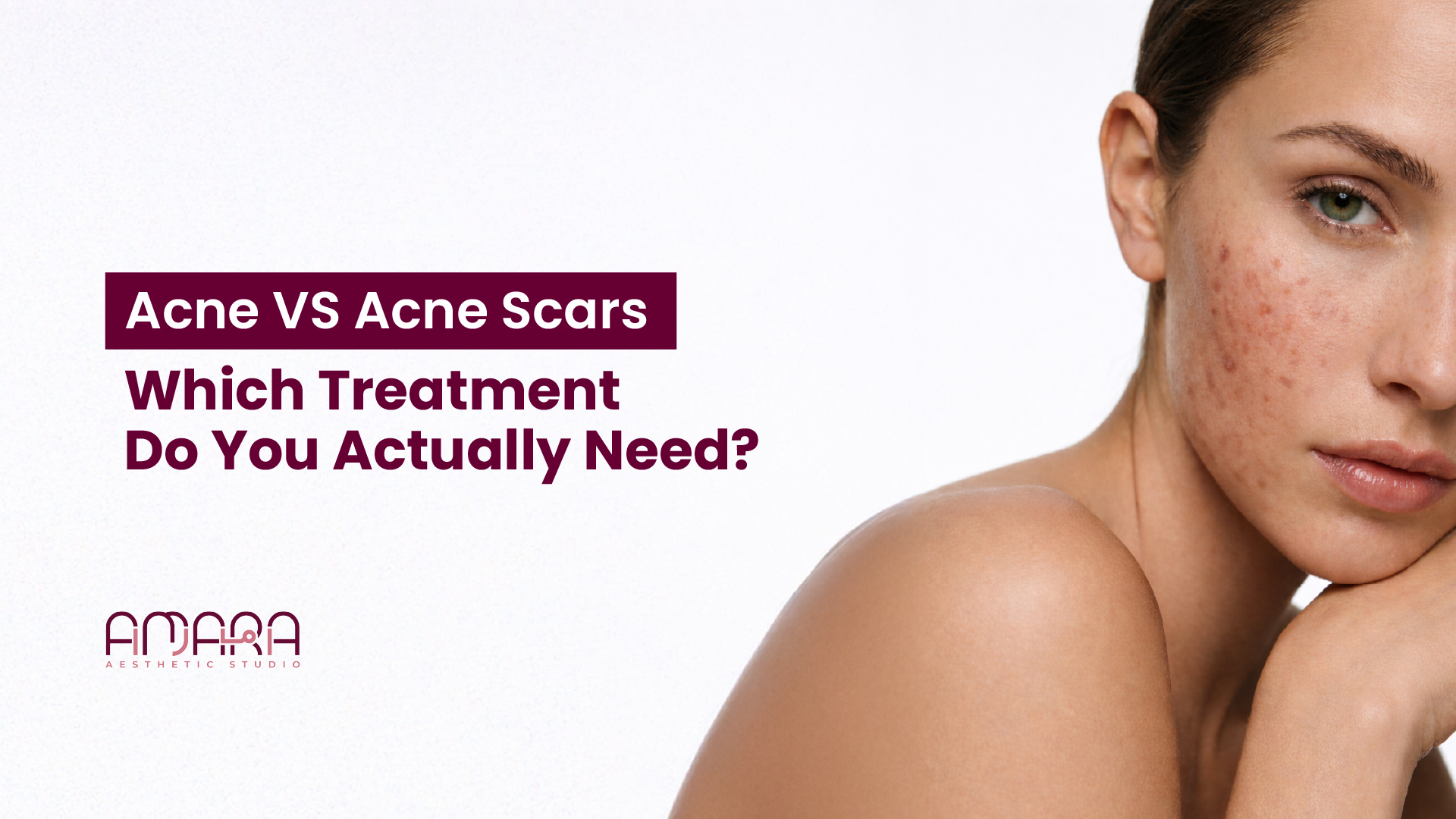
Acne scars, on the other hand, are what’s left after the acne is gone. They appear as dark spots, marks, dents, or uneven textures on the skin. These don’t mean you still have acne; they are signs that your skin is healing from past breakouts.
In simple words:
- Acne = Active problem (current pimples and irritation)
- Acne Scars = Past marks (left behind after acne heals)
Understanding this difference is important because acne needs treatment to prevent new breakouts, while acne scars require specialised care to improve skin texture and tone. Treating the right problem helps you get clearer, smoother skin faster.
What Is Acne?
Acne is a common skin condition that occurs when pores become clogged with oil, dead skin, and bacteria. This leads to pimples, bumps, and inflammation on the face and body. It can affect both teens and adults and is often triggered by hormones, stress, and lifestyle habits.
Common Signs of Active Acne
- Pimples, Pustules, and Cysts
- Redness, Swelling, and Pain
- Ongoing Breakouts
Common Causes of Acne
- Excess Oil
- Hormonal Changes
- Bacteria
- Lifestyle & Stress
- Heat & Humidity (Dubai Climate)
What Are Acne Scars?
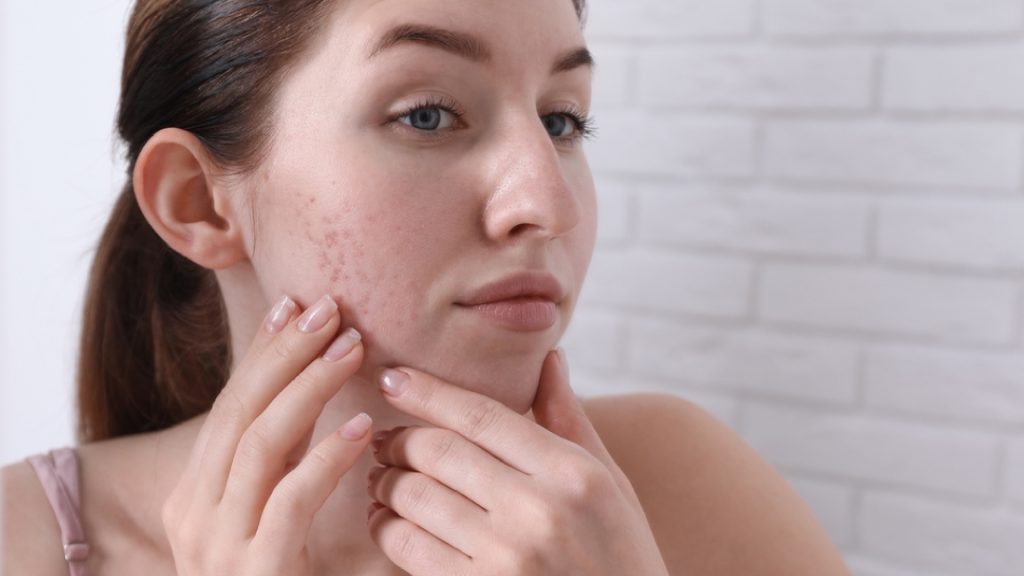
Acne scars are marks left behind after pimples heal. They happen when acne damages the deeper layers of the skin, affecting its natural healing process. Some scars change the skin’s texture, while others leave dark spots that fade over time.
How Acne Turns into Scars
- Inflammation Damages Skin
- Delayed or Wrong Treatment
- Picking or Squeezing Pimples
Types of Acne Scars
- Atrophic Scars
- Post-Inflammatory Hyperpigmentation (PIH)
- Raised Scars (Rare)
Acne vs Acne Scars: Best Treatments & Proven Solutions
Understanding the difference between acne and acne scars is important for choosing the right skincare approach.
While acne treatment focuses on controlling breakouts and healing active skin issues, effective acne scar solutions work to reduce marks and restore smooth, healthy-looking skin.
| Feature | Acne | Acne Scars |
| What it is | Active pimples, blackheads, or whiteheads | Marks or damage left after acne heals |
| Stage | Current skin problem | Result of past acne |
| Appearance | Red bumps, pus-filled pimples, clogged pores | Dark spots, pits, or uneven skin |
| Pain | Can be painful or itchy | Usually painless |
| Duration | Temporary (comes and goes) | Long-lasting or permanent |
| Cause | Oil, bacteria, clogged pores, hormones | Skin damage from severe or untreated acne |
| Treatment | Face wash, creams, medicines | Laser, peels, microneedling, skincare |
| Healing Time | Days to weeks | Months to years |
How to Understand Your Acne & Scars?
Not sure whether you’re dealing with active acne or old acne scars? Think of your skin like a storybook. Every mark tells a story; you just need to read it right.
Ask yourself these easy questions:
- Are new pimples still coming?
- If yes, your acne is still active and needs calming care.
- Is there pain, swelling, or redness?
- Painful or red bumps mean inflammation is still happening.
- Are the marks flat or sunken?
- Flat, dark spots = healing marks
- Indented or uneven skin = acne scars
- Has your acne already stopped?
- If breakouts are gone but marks remain, you’re in the scar-repair stage.
That’s why a professional skin check is always the best. Consulting with a trained expert like Amara Aesthetic Studio can help you treat your skin properly and guide you to the right treatment, no guessing, no wasting time.
What are the Effective Treatments for Active Acne?
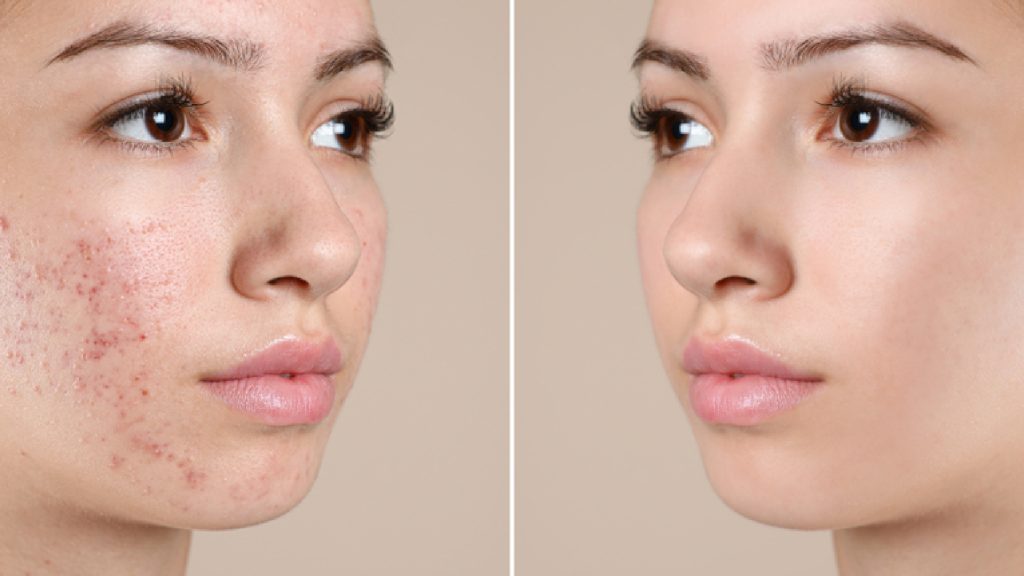
Treating active acne isn’t quick fixing; it’s about choosing the right solution based on your skin type and concern. The right approach can reduce breakouts, calm inflammation, and improve overall skin health. Here are some proven treatments that work:
- Medical-Grade Facials
These facials deeply cleanse the pores, remove excess oil, and soothe inflamed skin. Designed specifically for acne-prone skin, they help prevent new breakouts while improving skin texture.
- Chemical Peels
Chemical peels gently exfoliate the top layer of the skin, unclog pores, reduce acne-causing bacteria, and fade marks from recent breakouts. With regular sessions, skin looks clearer and smoother.
- Hormonal & Lifestyle Management
Acne is often linked to hormones, stress, diet, and sleep habits. Managing these factors alongside proper skincare can significantly reduce breakouts. Staying hydrated, eating balanced meals, managing stress, and maintaining a healthy routine all make a real difference.
What are the Effective Treatments for Acne Scars?
Acne scars are different from active breakouts. They appear after acne has healed and often need more targeted care. The right treatment depends on the type of scar and how your skin responds to healing. Here are some effective options for improving acne scars:
- Q Switch Laser for Acne Scars
It helps reduce acne scarring by delivering targeted laser energy that breaks down scar tissue and stimulates new collagen production. It’s a quick, minimally invasive treatment with minimal downtime, ideal for improving skin texture and tone.
- Microneedling / RF Microneedling
These treatments create tiny micro-injuries to activate the skin’s natural healing process. RF microneedling uses radiofrequency energy for deeper collagen repair. It makes it especially effective for indented acne scars.
- Skin Boosters & Regenerative Treatments
Skin boosters enhance hydration and skin quality from within, while regenerative treatments support repair and collagen renewal. Together, they help soften scars and gradually improve skin texture.
- Chemical Peels for Pigmentation Scars
For dark marks left after acne, chemical peels gently exfoliate the skin and even out uneven tone. They are particularly helpful for post-acne pigmentation and discolouration.
Can Acne and Acne Scars Be Treated Together?
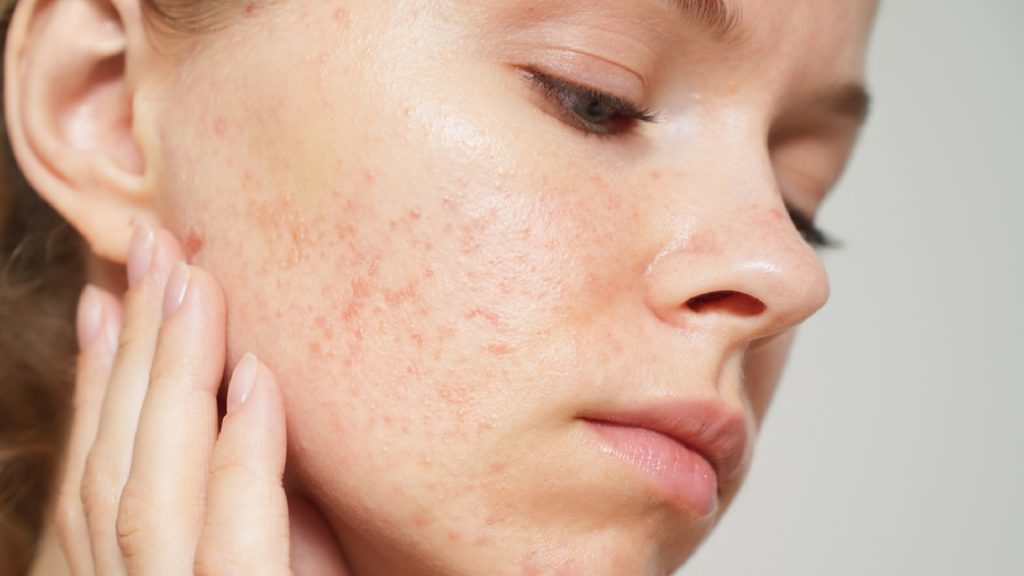
Yes, but timing matters. Active acne needs to be controlled first because ongoing breakouts keep the skin inflamed and can worsen scars if treated too early.
Once acne is under control, doctors usually follow a combination treatment plan, mixing acne-control treatments with procedures that improve texture and fade marks.
The best results come from a phased approach:
- Clear active acne
- Treat scars and dark spots
- Maintain results with proper skincare
Why Early Treatment Matters?
Delaying acne treatment can make skin concerns worse over time. The climate plays a big role in how acne and scars develop, and why early care is so important.
- Strong sun exposure: Dubai’s intense UV rays can darken acne marks, making pigmentation scars more stubborn and long-lasting.
- Heat boosts oil production: High temperatures increase sweating and oil production, leading to clogged pores and frequent breakouts.
- Higher risk of scarring: More breakouts mean more inflammation, which raises the chances of permanent scars.
- Early treatment prevents damage: Addressing acne early protects skin structure and reduces long-term marks.
- Faster, better results: Early intervention makes treatments more effective and easier on the skin.
Home Care vs. Professional Treatment: Which Is Right for You?
When it comes to managing acne and scars, both home care and professional treatments play a role, but they don’t deliver the same results.
Home Care is great for daily maintenance. It helps prevent mild acne, keeps your skin clean, and supports overall skin health. However, it has a limited impact on deep scars and stubborn marks. At best, it works as a support system, not a complete solution.
Professional Care, on the other hand, goes deeper. It treats the root cause of acne, repairs damaged skin layers, and delivers visible improvement in scars and pigmentation. These treatments are designed to correct skin concerns, not just maintain them.
Why Choose Amara Aesthetic Studio for Your Skin Care Needs?
At Amara Aesthetic Studio, we don’t believe in “one-treatment-fits-all.” Your skin is unique, and so is your journey.
Our personalised treatments are designed to:
✔ Clear breakouts
✔ Fade marks
✔ Heal scars
✔ Restore confidence
We focus on understanding your skin first, then creating a plan that truly works for you.
Here’s How We Do It:
- Medical-Grade Facials: Deep cleansing and skin renewal
- Chemical Peels: Remove dead skin and improve texture
- Dermal Treatments for Deep Scars: Target stubborn scars at the root
- Microneedling with RF: Boost collagen and tighten skin
- Microneedling: Smooth texture and reduce marks
- Stem Cell Therapy: Repair and regenerate damaged skin
- Exosome Therapy: Advanced healing for faster, visible results
At Amara, we combine science, technology, and care to help you achieve healthy, confident skin, naturally and effectively.
When Is It Time to Consult a Skin Specialist?
Not all acne goes away with face washes and home remedies, and that’s okay. Here’s when it’s a good idea to get professional help:
- Acne lasting 3–6 months or more: If breakouts just won’t clear up, even after consistent skincare, it’s time to see an expert.
- Painful or cystic acne: Deep, painful pimples beneath the skin can lead to scarring if left untreated.
- Visible scarring or dark marks: These are signs that your skin needs targeted treatment, not trial-and-error solutions.
- Recurrent breakouts despite skincare: If acne keeps coming back no matter what you try, a dermatologist can identify the root cause and fix it.
Seeing a dermatology expert early can help prevent long-term skin damage and get you clearer, healthier skin, faster. That’s where Amara steps in. Our expert dermatologists are here to guide you through every skin concern, with care that’s customised just for you.
Choose the Right Acne vs Acne Scars Treatment with Amara!
Acne and acne scars may look similar, but they need very different care. Treating active breakouts like scars (or scars like acne) only delays results and adds frustration. Once you understand what your skin is really asking for, the journey becomes much simpler and more effective. The right acne vs acne scars treatment saves time, protects your skin, and brings visible improvement faster.
At Amara Aesthetic Studio, we focus on clarity, not confusion. Whether your skin needs calming acne control or advanced acne scar solutions to repair texture and marks, our experts create a personalised plan that works with your skin and Dubai’s climate. Healthy skin isn’t about trying everything; it’s about choosing what’s right for you.
Ready to take the first step toward clear, confident skin? Drop us a mail at info@amaraclinics.ae or call us on +971 04 562 0909.
Frequently Asked Questions: Acne & Acne Scar Treatment
Some mild marks, like dark spots, may fade over time with good skincare and sun protection. However, deep or textured scars usually don’t resolve on their own and require professional acne scar treatments for visible improvement.
Yes, when done by trained professionals, laser treatment is safe and effective. It helps boost collagen, smooth skin texture, and reduces the appearance of scars. It’s one of the most trusted options in modern acne and acne scar treatment plans.
Once a scar is properly treated, it usually doesn’t come back. However, new acne breakouts can lead to new scars. That’s why combining acne control with long-term acne scar solutions is important.
It depends on the type and depth of scars. Some people see results in a few weeks, while others may need multiple sessions over 3–6 months. A personalised acne vs acne scars treatment plan gives the best outcome.
The basic treatment is similar, but skin type, hormones, lifestyle, and shaving habits can affect results. That’s why customised acne and acne scars treatment works better than one-size-fits-all solutions.