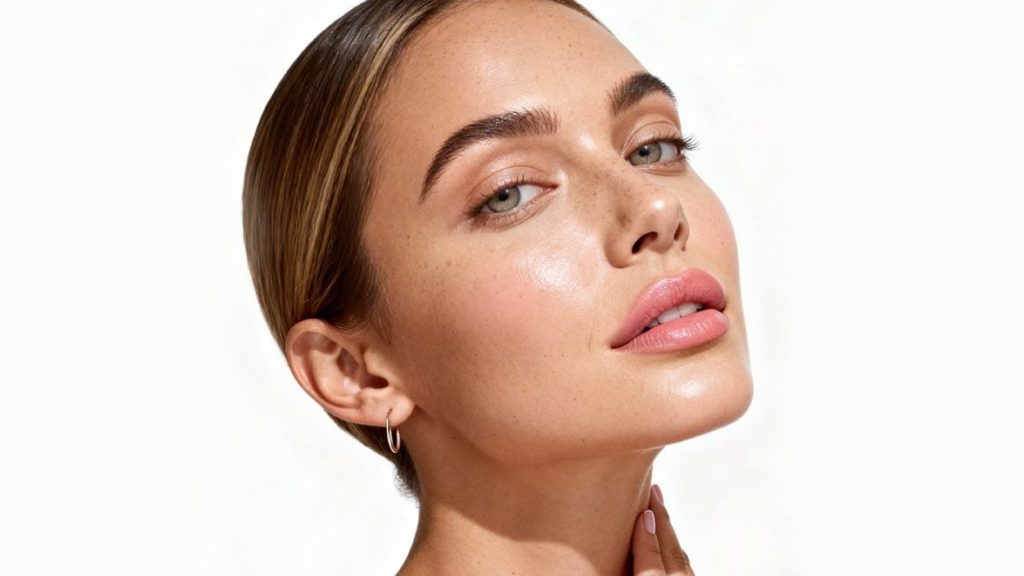
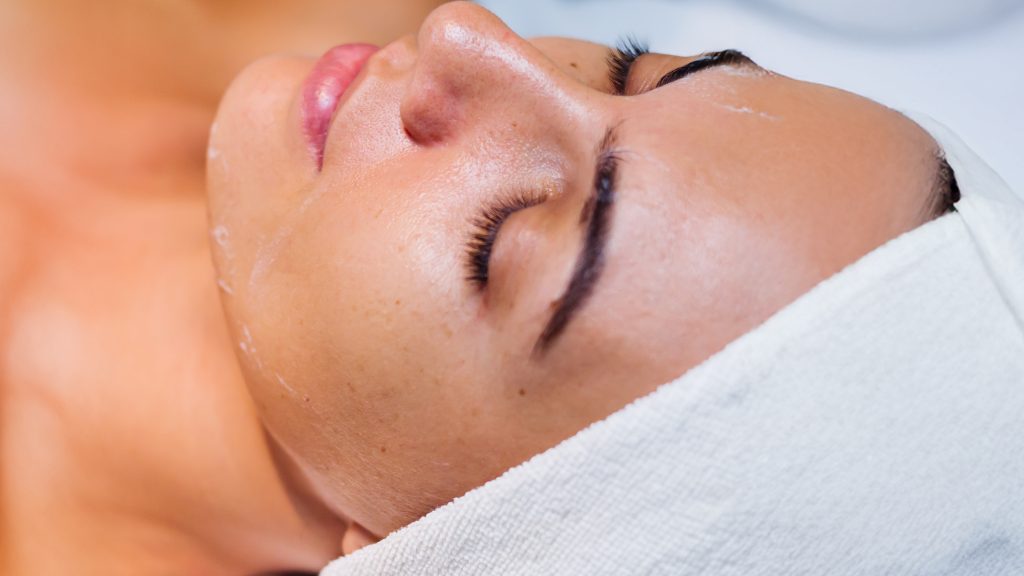
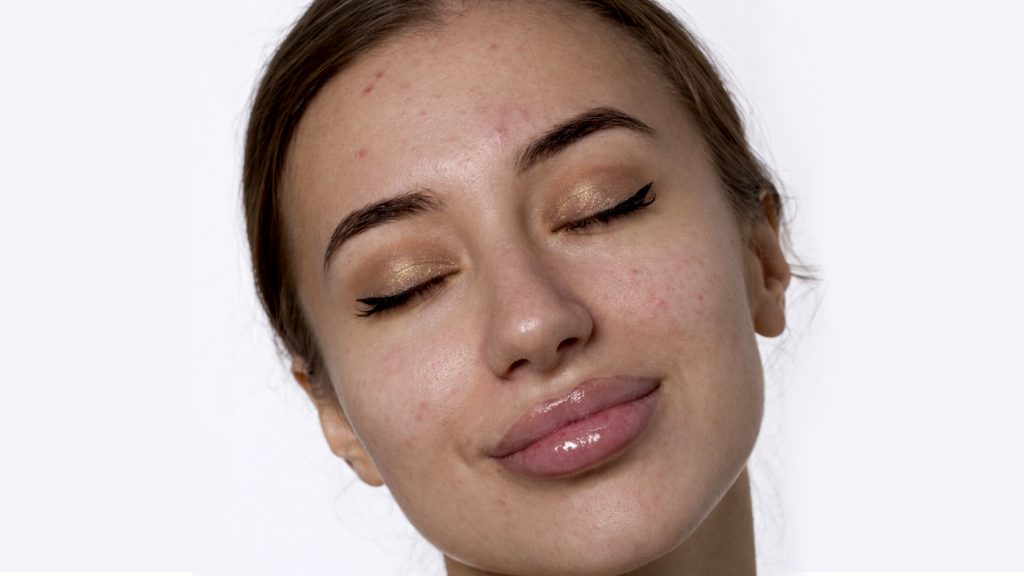
Glowing skin has become the ultimate beauty statement, especially in a city like Dubai, where flawless, radiant complexions are always in style. If you’ve been searching for a treatment that delivers instant brightness without any downtime, you’ve probably heard about the Hollywood peel in Dubai.
Also known as a carbon laser facial, this treatment has earned its celebrity reputation for a reason. It’s quick, effective, and gives your skin that smooth, lit-from-within glow that looks incredible both in real life and on camera.
But what exactly is it? And is it worth hype?
Let’s break it down properly.
What Is a Hollywood Peel?
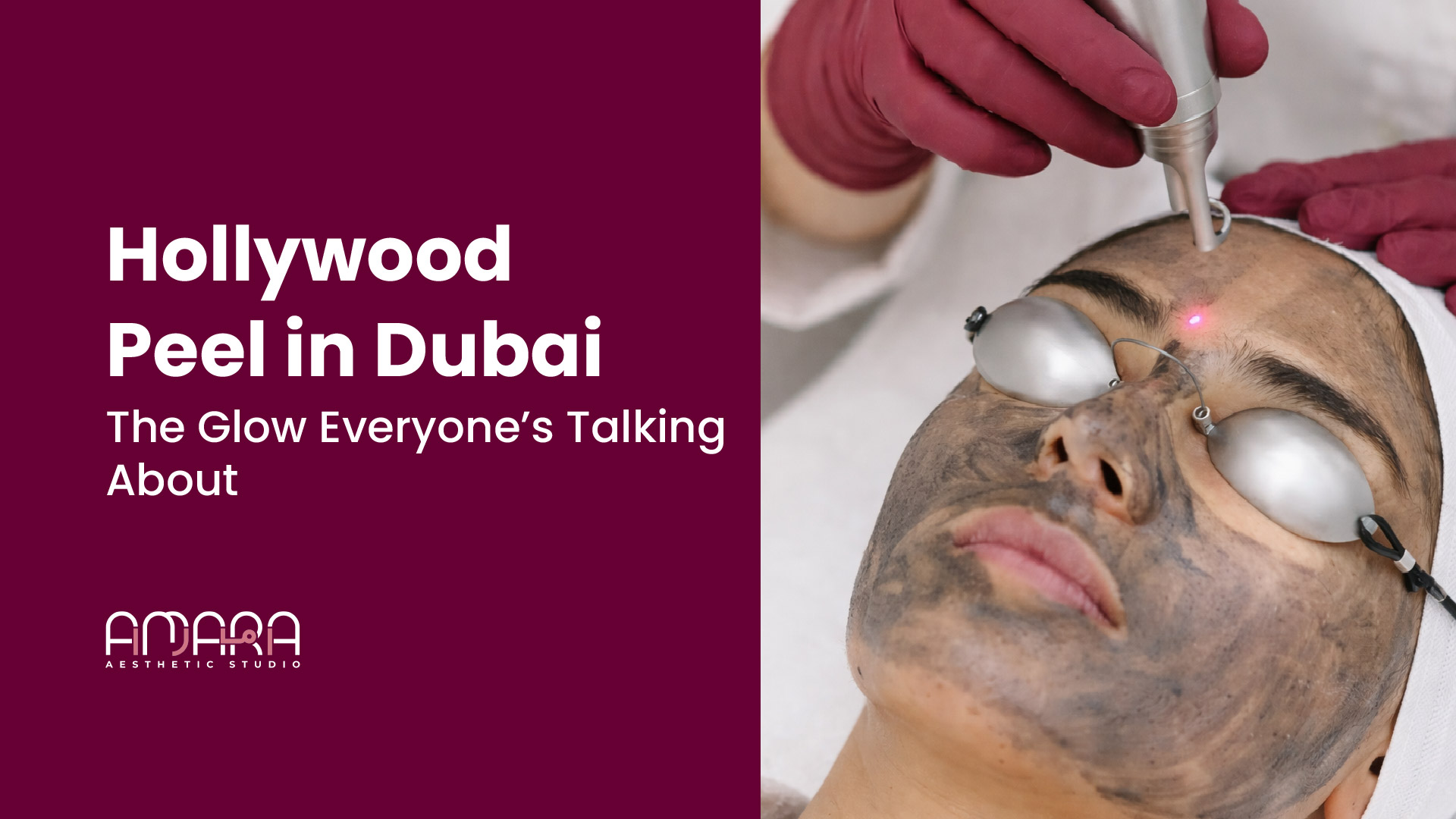
A Hollywood facial treatment is a non-invasive laser procedure designed to deeply cleanse, exfoliate, and brighten the skin using medical-grade carbon and laser technology.
Here’s how it works in simple terms:
A thin layer of liquid carbon is applied to your skin. This carbon penetrates deep into your pores and binds with oil, dirt, and dead skin cells. Then, a specialized laser is passed over the skin. The laser targets the carbon particles, gently heating and vaporizing them, along with the impurities attached to them.
The result? Cleaner pores, smoother texture, and noticeably brighter skin.
Unlike harsh peels that cause heavy peeling or downtime, this carbon laser facial refreshes your skin without disrupting your routine.
Why Carbon Laser Peel in Dubai Has Gained Popularity?
Dubai’s climate plays a big role in skin concerns. Heat, humidity, sun exposure, and pollution can lead to:
Excess oil production
Enlarged pores
Pigmentation
Uneven skin tone
Frequent breakouts
A laser facial for glowing skin like the Hollywood Peel addresses many of these issues in one session. It’s especially popular before weddings, corporate events, photoshoots, or vacations because it delivers a visible glow almost immediately.
Key Benefits of a Carbon Laser Facial
1. Deep Pore Cleansing: Carbon acts like a magnet for oil and debris. When the laser removes it, your pores feel cleaner and look tighter.
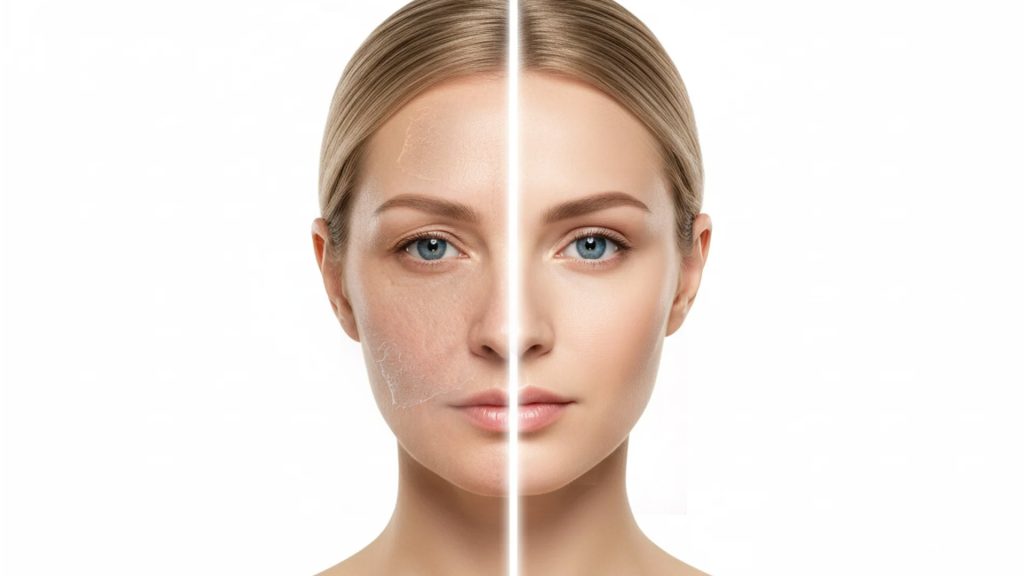
2. Brighter Skin Tone: The treatment very gently exfoliates the top layer of dull skin, revealing a fresher and dewy complexion.
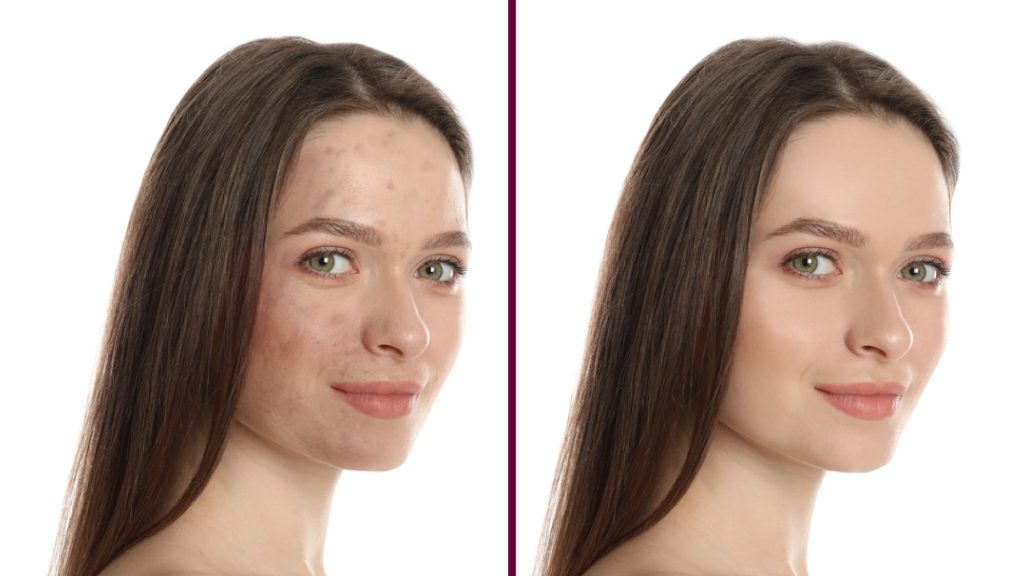
3. Reduced Oil & Breakouts: If you struggle with oily or acne-prone skin, this treatment can help regulate sebum production over time.
4. Improved Texture: Skin feels smoother because dead cells are removed, and collagen stimulation begins.
5. Mild Pigmentation Correction: As a skin brightening laser treatment, it can gradually improve uneven tone and mild pigmentation.
6. No Downtime: You can literally do this during your lunch break and return to work right after.
What to Expect During the Treatment
First, your skin is cleaned thoroughly. The carbon lotion is then applied and left to settle for a few minutes. Once ready, the laser is passed over your skin in controlled movements. You may hear light snapping sounds and feel mild warmth, but it’s generally comfortable.
After the laser carbon peel, soothing serum and sunscreen are applied. The whole session typically takes about 20-30 minutes.
There’s no intense peeling, no needles, and no dramatic recovery period involved in this carbon peel treatment.
What to Expect After a Carbon Laser Facial
This is one of the most common questions and the answer is reassuring.
Immediately after the treatment, your skin may look slightly pink, similar to mild sun exposure. This usually settles within a few hours.
Over the next few days, you’ll notice:
A brighter, more even tone
Reduced oiliness
Smoother texture
A subtle glow
You won’t experience heavy peeling like traditional chemical peels. Instead, your skin simply looks refreshed and clearer.
It’s important to:
Wear sunscreen daily
Avoid harsh exfoliants for a few days
Keep skin hydrated
Most people feel confident going out the same day; which is why it’s often called a “red carpet facial.”
How Many Sessions Do You Really Need?
One session can give you an instant glow. However, if your goal is long-term improvement in pigmentation, acne control, or texture refinement, a series of treatments is usually recommended.
For general maintenance, many clients choose a session every 3–4 weeks.
If you’re specifically targeting pigmentation laser treatment goals, your practitioner may suggest combining the Hollywood Peel with other advanced treatments for deeper correction.
The right plan always depends on your skin type, concerns, and desired results.
Who Is the Ideal Candidate?
The Hollywood Peel is suitable for:
Oily or combination skin
Enlarged pores
Dull complexion
Mild pigmentation
Acne-prone skin
Event-ready glow seekers
It works well on most skin tones when performed by trained professionals. However, if you have active infections, severe acne cysts, or certain medical conditions, a consultation is necessary before proceeding.
Why Choose Amara for Hollywood Peel in Dubai?
Choosing where you get your treatment matters just as much as the treatment itself.
At Amara, the focus isn’t just on performing a procedure; it’s on understanding your skin first. Every Hollywood peel in Dubai at Amara begins with a detailed consultation to assess your concerns, lifestyle, and long-term goals. We ensure that your carbon laser facial is tailored to you, not just a standard protocol.
The clinic combines advanced laser technology with a refined, comfortable setting. Treatments are performed by skilled professionals who prioritize safety, precision, and natural-looking results.
Frequently Asked Questions – Hollywood Peel
1. Is the Hollywood Peel painful?
Most people describe the sensation as mild warmth with tiny snapping feelings. It’s very tolerable and doesn’t require numbing cream. The procedure is quick and comfortable compared to many other laser treatments.
2. How long do results last?
The glow can last several weeks, depending on your skincare routine and lifestyle. Regular sessions help maintain brightness, pore clarity, and oil balance over time.
3. Can it treat pigmentation effectively?
Yes, it helps with mild pigmentation and uneven tone. For deeper pigmentation concerns, it may be combined with other pigmentation laser treatment options for enhanced results.
4. Is there any downtime?
There is minimal to no downtime. Mild redness can occur immediately after treatment but usually subsides within hours, allowing you to resume daily activities right away.
5. Is it safe for sensitive skin?
When performed by experts using proper laser settings, it is generally safe for sensitive skin. A prior consultation ensures the treatment is adjusted to your skin’s tolerance.
6. Can men get a carbon laser facial?
Yes, many men choose this treatment to reduce oiliness, minimize pores, and achieve smoother skin without invasive procedures or lengthy recovery periods.
Living in Dubai means enjoying beautiful sunny days, outdoor brunches, beach trips, and a busy city life. But all that sunshine and heat can be tough on your skin. Over time, constant sun exposure, pollution, and daily stress can lead to common problems like melasma, dark spots, and uneven skin tone. Many people across the UAE are now noticing these pigmentation issues and wondering why their skin doesn’t look as fresh and clear as before.
The good news is, you’re not alone, and you’re not stuck with it forever. With the right professional care, these skin concerns can be safely and effectively treated. That’s why choosing an expert melasma treatment in Dubai is so important. Trusted clinics like Amara Aesthetic Studio combine experience, advanced treatments, and personalised care to help you bring back your natural glow and confidence, one step at a time.
Understanding Melasma and Dark Spots
Have you ever noticed dark patches or stubborn spots slowly appearing on your face, and wondered why they won’t fade? In a sunny, fast-paced place like the UAE, this is a very common concern.
Between long hours in the sun, daily pollution, and a busy lifestyle, your skin is constantly under pressure. Over time, this can lead to pigmentation problems like melasma and dark spots, often appearing when you least expect them.
Before choosing any treatment, it’s important to understand what’s really happening beneath your skin. Let’s break it down for you:
What Is Melasma?
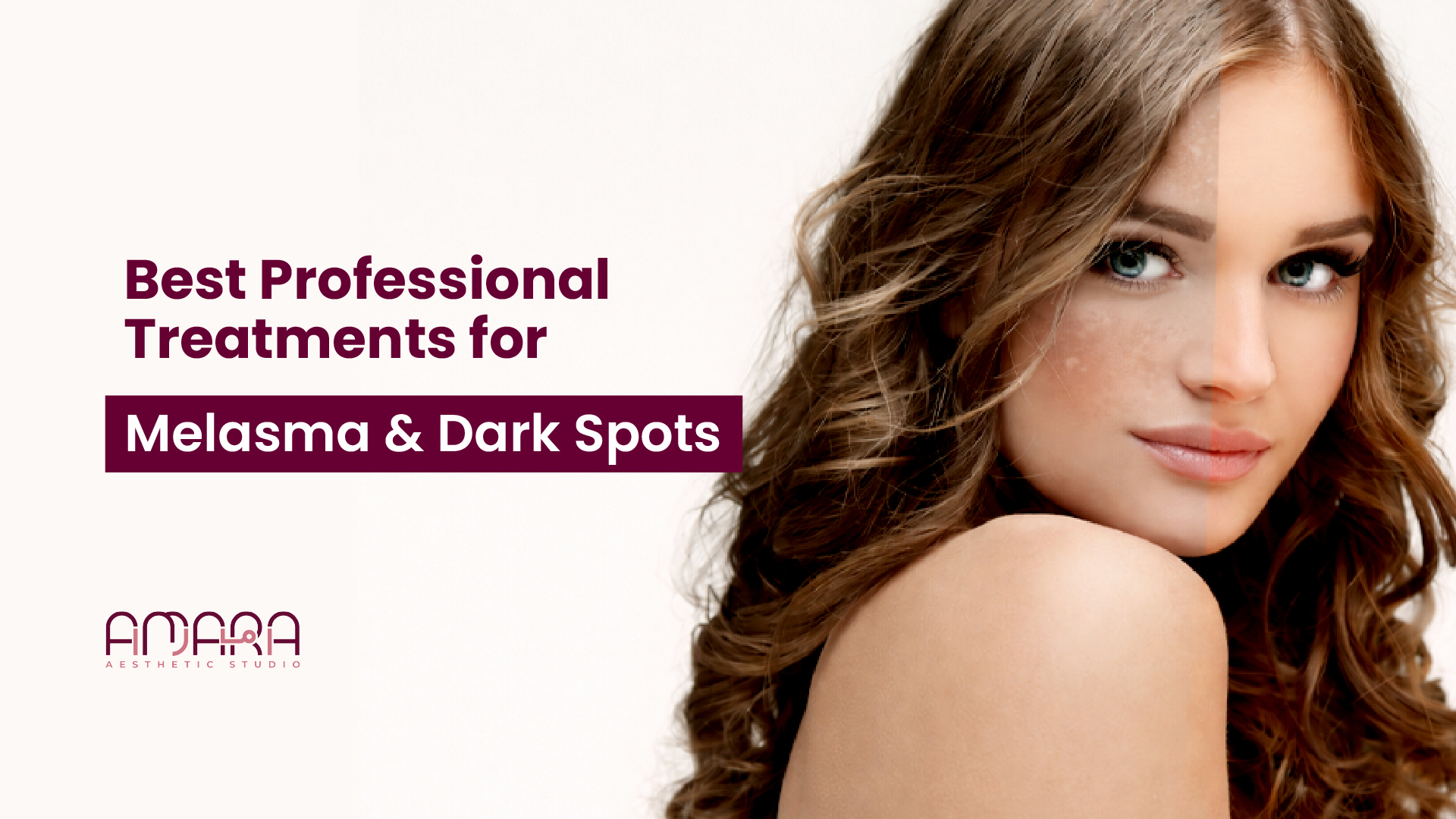
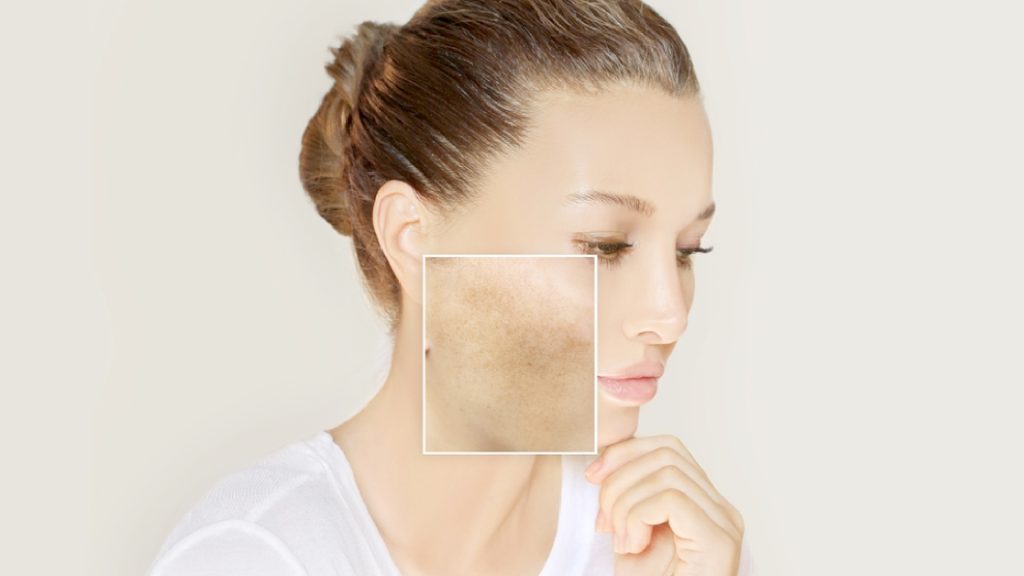
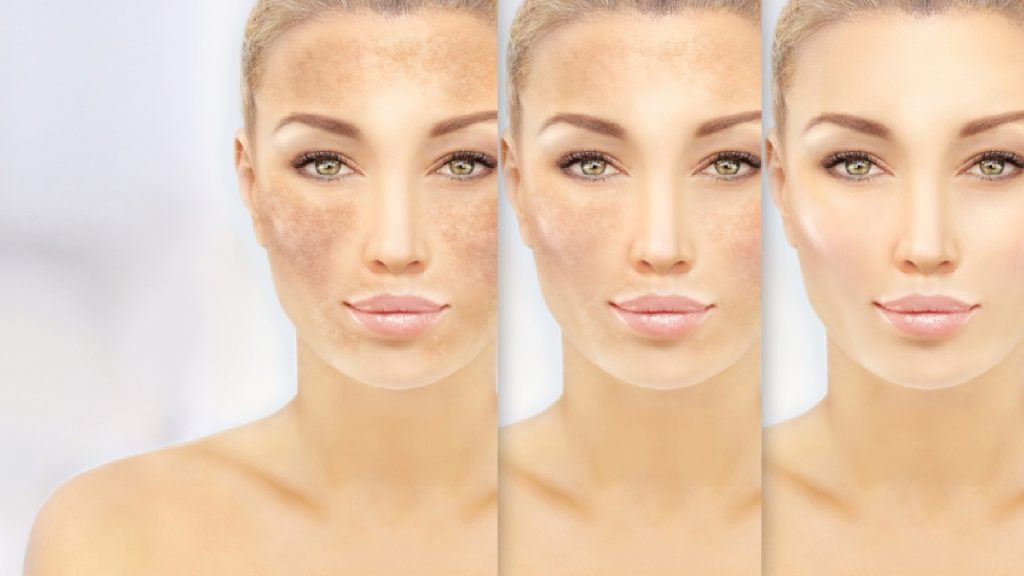
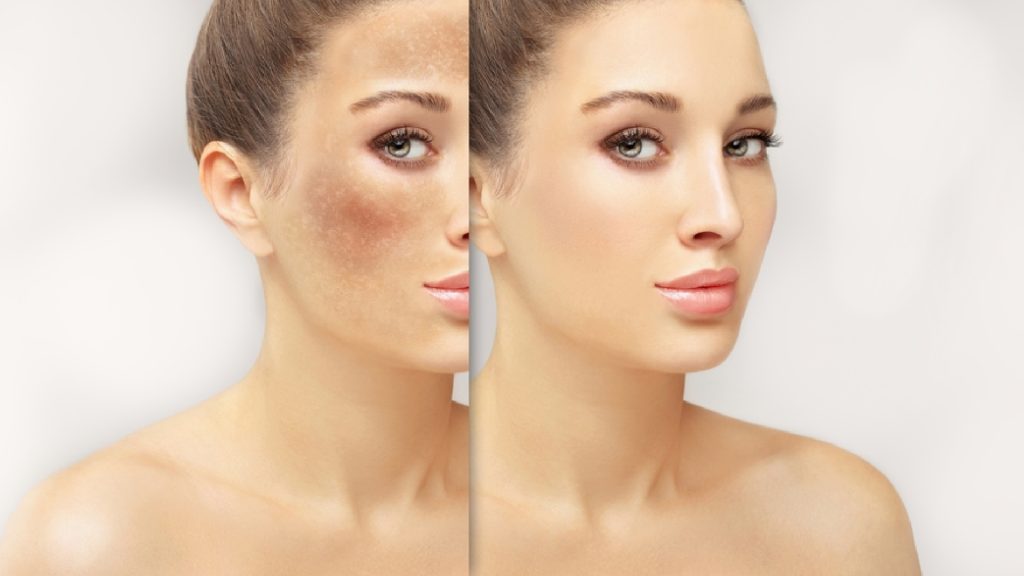
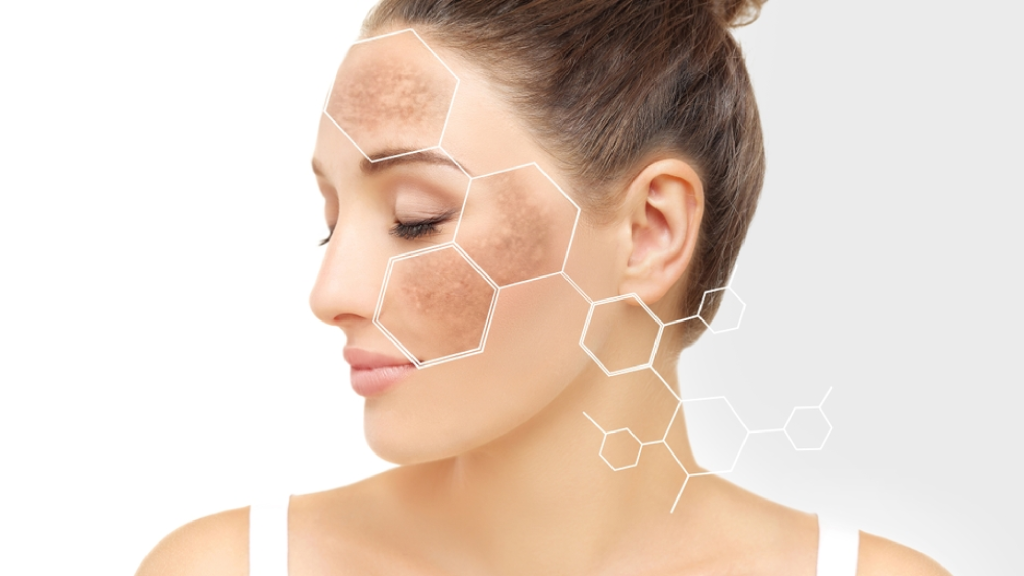
Melasma appears as dark, uneven patches on the face and often shows up without warning. It’s especially common among women and can become more noticeable over time.
It is usually caused by:
Hormonal changes, including birth control or medical treatments
Pregnancy is often called the “mask of pregnancy”
Too much sun exposure
Family history (genetics)
You’ll mostly find melasma on:
Cheeks
Forehead
Upper lip
Nose and jawline
Because sunlight makes melasma darker and more stubborn, many people turn to professional melasma treatment in Dubai to safely lighten these patches and restore an even, healthy-looking skin tone.
What Causes Dark Spots?
Dark spots are like little reminders of past skin troubles. They appear when your skin produces extra pigment after damage or irritation.
These spots can make your skin look tired and uneven, even when you’re taking good care of it. That’s why advanced pigmentation treatment in UAE clinics is becoming so popular among people who want clear, glowing skin again.
Why Are These Issues So Common in the UAE?
Living in the UAE is exciting, but your skin faces daily challenges here.
Here’s why pigmentation problems are everywhere:
Strong sunlight all year round
Hot climate that weakens skin barriers
An active outdoor lifestyle
Whether you’re heading to work, running errands, enjoying brunch, or spending time at the beach, your skin is always exposed to UV rays. Over time, this leads to stubborn pigmentation, uneven tone, and dullness.
The good news? With the right professional care and personalised treatments, you don’t have to live with these concerns forever. By understanding your skin, you can take the first step toward choosing the right solution and achieving healthy, confident, and radiant skin.
That’s where Amara Aesthetic Studio comes in. With experienced specialists and customised treatment plans, we are here to help you overcome your skin concerns and bring out your natural glow.
Why Do Professional Treatment Matters in Dubai?
Dubai’s strong sun and high UV levels can worsen melasma. It makes professional care essential for safe, lasting results.
Avoid Risks of Home Remedies
DIY treatments and home products may irritate the skin, worsen pigmentation, and give only temporary results. Without expert guidance, they often do more harm than good.
Trusted Dermatology Solutions
Professional dermatologists accurately diagnose your skin condition and recommend medically approved treatments, ensuring effective and safe care.
Access Advanced Technology
Dubai clinics use modern treatments like medical-grade peels, lasers, and microneedling to target pigmentation at deeper levels for better results.
Get Personalised Care
A certified melasma clinic in Dubai offers customised treatment plans, proper sun protection advice, and regular follow-ups for long-term skin health.
Chemical Peel for Melasma in Dubai
A chemical peel for melasma in Dubai is one of the most recommended treatments for improving uneven skin tone and pigmentation. However, it is important to understand that melasma is not treated by normal peeling alone. It is a deeper condition, closely linked to hyperpigmentation, hormones, and sun exposure.
While melasma can be treated with glycolic, lactic, or salicylic peels, these are supportive treatments, not standalone cures. They work best as part of a long-term, medically guided treatment plan.
Melasma is chronic, hormonal, and recurring, which is why dermatologists never rely on a single peel.
How Do Chemical Peels Work?
Chemical peels use medical-grade acids to gently exfoliate damaged skin layers and stimulate new cell growth. This helps fade surface pigmentation, improve skin texture, and enhance the effectiveness of prescription creams.
They are most effective for epidermal (surface-level) melasma and for maintaining results after advanced treatments.
Are These Peels Used for Melasma?
Depending on your skin type and pigmentation depth, dermatologists may recommend:
Glycolic Acid Peels — Most Common Choice
✔ Gold standard superficial peel for melasma ✔ Most widely used in dermatology clinics ✔ Helps with epidermal melasma ✔ Improves skin brightness ✔ Enhances topical treatments like hydroquinone
Lactic Acid Peels — Gentle Option
✔ Suitable for sensitive or dry skin ✔ Ideal for reactive melasma patients ✔ Safer for medium to darker skin tones ✔ Commonly recommended for Fitzpatrick III–V skin types ✔ Slower but steady and safer results
Salicylic Acid Peels — Limited Role
✔ Not a primary peel for melasma ✔ Used when melasma and acne coexist ✔ Suitable for oily skin types ✔ Not first-line for pure melasma cases
TCA Peels — Medical Use Only
✔ Used for stubborn or dermal melasma ✔ Often part of advanced combination protocols ✔ Higher risk of post-inflammatory pigmentation if not performed carefully ✔ Must only be done under expert dermatological supervision
Benefits & Downtime
Benefits:
Lightens dark patches
Improves skin texture
Boosts natural glow
Smoothens rough skin
Supports long-term pigmentation control
Downtime: Most superficial peels have minimal downtime. You may experience mild redness, dryness, or light peeling for a few days depending on peel strength.
What Do Dermatologists Actually Do?
In premium clinics, melasma is rarely treated with peels alone. Instead, doctors follow a combination-based protocol such as:
Glycolic or lactic peel cycles
Topical depigmenting agents
Strict daily sunscreen use
Oral antioxidants (in selected cases)
Laser or Cosmelan-type protocols
Peels alone work as maintenance tools, not permanent cures.
Clinic Positioning: Professional & Ethical Approach
For high-quality clinics, the safest and most ethical way to present melasma treatment is:
Say:“Treatment is selected based on skin type and pigmentation depth”
Avoid:“Melasma is treated by X peel alone”
Because melasma is:
Chronic
Hormonal
Recurring
Long-term management is always more effective than short-term cosmetic fixes.
How to Choose the Right Melasma Clinic in Dubai?
Choosing the right melasma clinic in Dubai is important for achieving safe, effective results. A good clinic will not only treat your pigmentation but also help you maintain healthy skin. Here are the key points to keep in mind.
1. Licensed Dermatologists
Always choose a clinic with qualified and licensed dermatologists. Experienced doctors understand your skin better and can suggest the right treatment with minimal risk and side effects.
2. Advanced Equipment
A reliable clinic should use modern machines and medical-grade technology. Advanced equipment gives better results, improves safety, and reduces recovery time.
3. Customised Treatment Plans
Every skin type is different, so your treatment should be personalised. A good clinic will examine your skin first and then create a plan based on your needs, lifestyle, and concerns.
4. Transparent Pricing
Before starting, make sure the clinic clearly explains all costs. There should be no hidden charges. Honest pricing helps you plan your treatment without stress.
5. Positive Client Reviews
Check online reviews and testimonials to see what other clients say. Good ratings, real results, and positive feedback show that the clinic is trustworthy.
By choosing a clinic with expert doctors, modern technology, personalised care, transparent pricing, and positive reviews, you can confidently start your journey toward clear, glowing skin.
Why Choose Amara Aesthetic Studio in Dubai?
When it comes to professional skin care and pigmentation treatment, Amara Aesthetic Studio stands out as a trusted name. The clinic is known for combining expert care, modern technology, and personalised treatments to deliver visible and long-lasting results.
Expert Skin Specialists
Amara Aesthetic Studio is backed by experienced and trained skin specialists who understand different skin types and pigmentation concerns. They carefully analyse your skin before starting any treatment, ensuring safe procedures and effective outcomes.
Customised Pigmentation Programs
Every client receives a personalised treatment plan based on their skin condition, lifestyle, and goals. Instead of offering fixed packages, the team designs customised pigmentation programs that may include lasers, peels, facials, and medical skincare for better results.
Latest Technology
The clinic uses advanced, medical-grade equipment and modern treatment methods. This ensures precise targeting of pigmentation, faster recovery, and improved comfort during sessions.
Comfortable, Luxury Setting
Amara Aesthetic Studio offers a calm, clean, and luxurious environment where clients can relax during their treatments. The soothing ambience and professional staff make every visit comfortable and stress-free.
Proven Results in Pigmentation Treatment UAE
With a strong track record in pigmentation treatment in the UAE, the clinic has helped many clients achieve clearer, brighter, and more even-toned skin. Consistent positive feedback and visible results reflect their commitment to quality care.
By choosing Amara Aesthetic Studio, you are selecting expert guidance, personalised attention, advanced technology, and proven results, all in one place.
Cost of Melasma and Dark Spot Treatments in Dubai
The cost of melasma treatment in Dubai and dark spot removal in Dubai depends on several factors. At Amara, dark spot treatments start from AED 499, and the final price may increase based on your skin condition and treatment plan.
Factors That Affect the Price
Type of Treatment
Different treatments have different costs, such as chemical peels, laser therapy, or medical facials. Advanced treatments usually cost more.
Number of Sessions
Some skin concerns need multiple sessions for visible results. More sessions mean a higher total cost.
Clinic Reputation
Well-known and trusted clinics may charge more due to experienced doctors, modern equipment, and high-quality care.
Skin Condition
Severe melasma or deep pigmentation may require stronger treatments, which can increase the price.
Trusted Clinic Option
For professional and affordable care, many clients choose Amara Aesthetic Studio, known for customised melasma treatment in Dubai and effective dark spot removal in Dubai solutions.
Tip: Always consult a skin expert before starting treatment to get the right plan for your skin and budget.
Get Radiant, Even-Toned Skin in Dubai with Amara!
Clear, healthy, and glowing skin is possible with the right care and expert guidance. Whether you are dealing with stubborn patches or uneven tone, choosing professional melasma treatment in Dubai can make a real difference. With advanced options like chemical peel for melasma Dubai, laser therapy, and personalised skincare, you can safely achieve visible and long-lasting results.
If you are looking for reliable dark spot removal in Dubai and trusted pigmentation treatment in the UAE, selecting a reputable melasma clinic in Dubai is the first step toward better skin. Amara Aesthetic Studio offers expert care, modern technology, and customised treatment plans designed for your unique needs.
Take the first step toward brighter, more confident skin today. For consultations and appointments: Mail us at info@amaraclinics.ae or call us on +971 04 562 0909
Frequently Asked Questions – Melasma & Dark Spots
Q1. Is melasma permanently curable?
Melasma cannot be cured permanently, but it can be controlled and lightened with the right treatment and skincare. With regular maintenance and sun protection, results can last a long time.
Q2. How many sessions are needed?
Most people need 3 to 6 sessions for visible results. The exact number depends on your skin type, the depth of pigmentation, and the treatment method.
Q3. Is a chemical peel safe in Dubai’s climate?
Yes, chemical peels are safe in Dubai’s climate if done by professionals and followed by proper sun protection. Using sunscreen and avoiding direct sunlight is very important after treatment.
Q4. Can men get pigmentation treatment?
Yes, absolutely. Men can also get pigmentation and melasma treatments. These treatments work for all genders and skin types.
Q5. Is treatment safe for sensitive skin?
Yes, treatments can be safe for sensitive skin when customised by a skin specialist. Mild peels, gentle lasers, and medical facials are usually recommended for sensitive skin.
Dark spots are fading today and reappearing tomorrow? It can feel frustrating, almost like your skin is playing a never-ending game with you. Just when you think you’ve won, pigmentation quietly makes a comeback.
Skin pigmentation happens when your skin produces extra melanin, leading to uneven tone and stubborn patches. From sun exposure and hormonal changes to daily habits and skincare mistakes. There are many causes of skin pigmentation that often go unnoticed but play a major role in recurring dark spots.
In Dubai’s harsh climate, intense sunlight and high temperatures increase the risk of skin pigmentation, as constant UV exposure triggers excess melanin production. Without proper care, maintaining clear, healthy skin becomes challenging.
That’s where professional treatment makes a real difference. Instead of temporary fixes, expert solutions target the root of pigmentation. At Amara Aesthetic Studio, advanced technology and personalised treatments help deliver long-lasting results.
In this blog, we’ll explore some common causes of pigmentation and why professional treatment is important.
Understanding Skin Pigmentation & Its Causes
Skin pigmentation occurs when your skin produces excess melanin, resulting in dark spots and an uneven tone. In sunny cities like Dubai, this problem is even more common due to strong exposure to UV. Let’s look at the main skin pigmentation causes and why it often comes back.
Common Causes and Types of Skin Pigmentation in Dubai
Skin pigmentation is a common concern in Dubai due to strong sunlight, pollution, and busy lifestyles. It usually occurs when your skin produces excess melanin, leading to dark spots and an uneven skin tone.
Main Causes of Pigmentation
Pigmentation can develop because of:
Excessive Sun Exposure: Strong UV rays stimulate melanin production, leading to tanning, dark patches, and sunspots.
Hormonal Changes: Pregnancy, PCOS, stress, and birth control pills can trigger hormonal pigmentation like melasma.
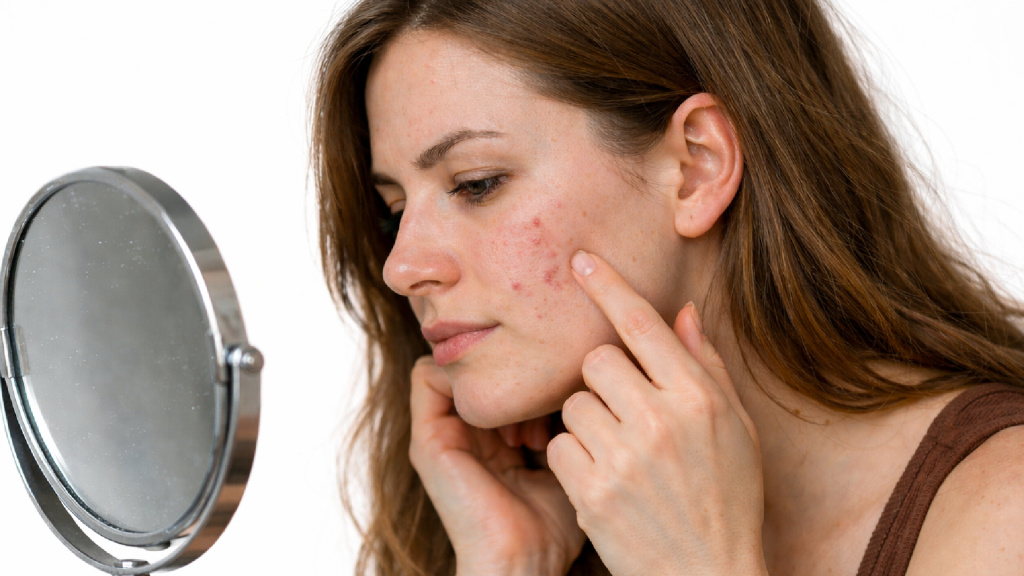
Acne and Skin Injuries: Pimples, cuts, burns, and irritation often leave dark marks after healing.
Genetics: If pigmentation runs in your family, you may be more likely to develop it.
Certain Medications: Some medicines make your skin more sensitive to sunlight.
Pollution and Improper Skincare: Dust, pollution, and using the wrong products can damage the skin and worsen pigmentation.
Common Types of Pigmentation Problems
Understanding your pigmentation type helps in choosing the right treatment:
1. Melasma
Appears as brown or grey patches on the cheeks, forehead, and upper lip. It is mainly caused by hormonal changes and sun exposure and needs long-term care.
2. Sunspots
Caused by prolonged sun exposure, these spots usually appear on the face, hands, and shoulders and become more visible with age.
3. Post-Inflammatory Hyperpigmentation (PIH)
Develops after acne, burns, or skin injuries. It leaves dark marks that fade slowly without proper treatment.
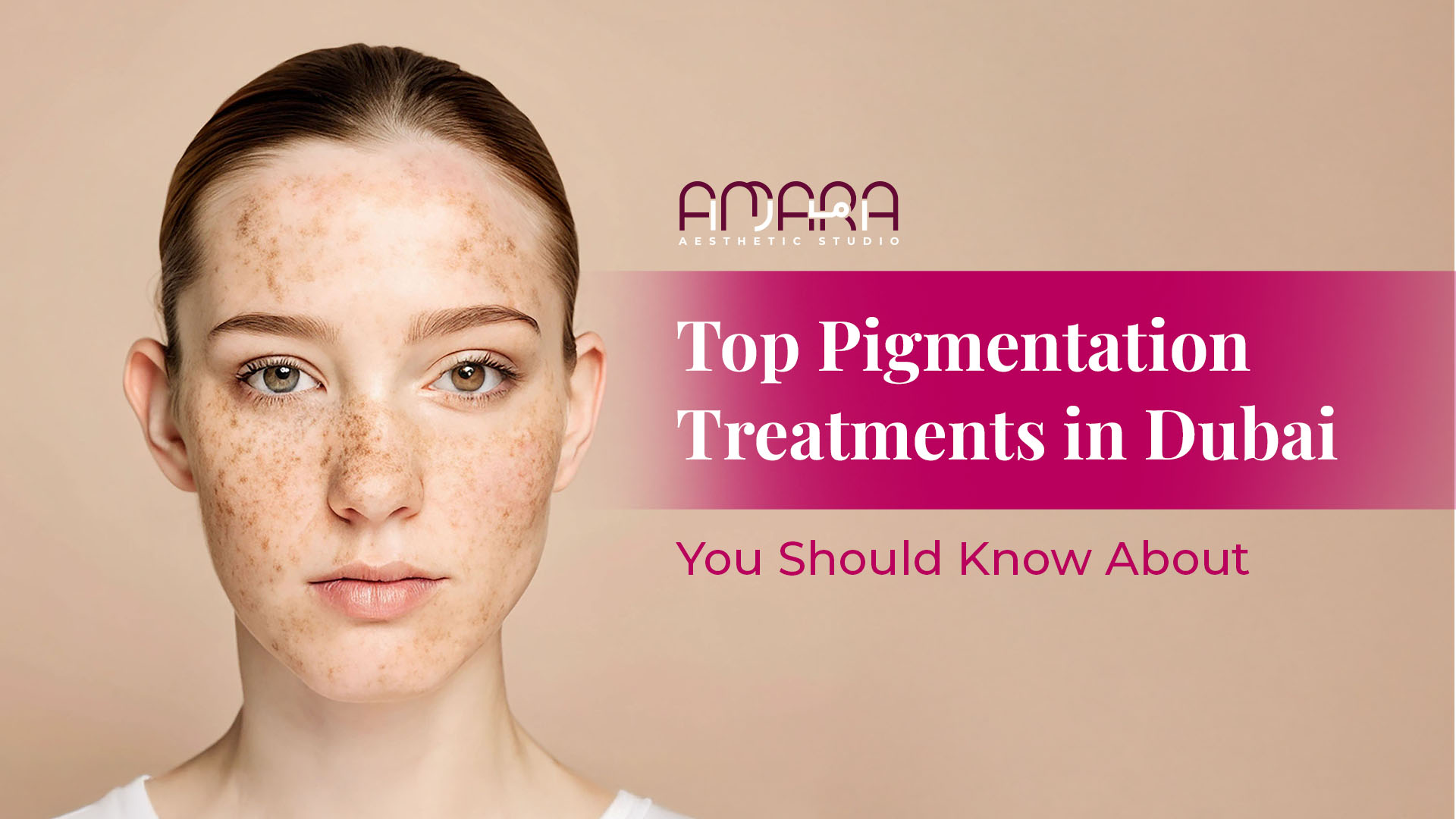
4. Freckles
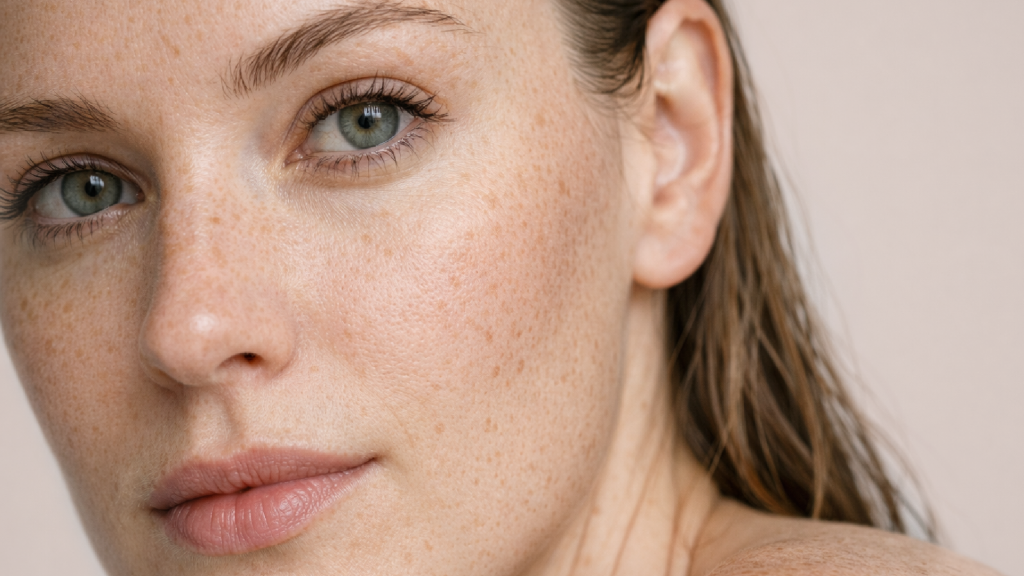
Small light-to-dark brown spots, usually genetically in origin. They become darker with sun exposure and are more common in people with fair skin.
Why Does Pigmentation Keep Coming Back?
Many people see temporary results, but pigmentation returns because the real cause isn’t treated.
Here’s why:
Skipping sunscreen
Treating only the surface, not melanin production
Ignoring hormonal issues
Inconsistent skincare
Delaying professional treatment
Without proper care, new pigment continues to form under the skin.
Types of Pigmentation You Should Know
With the right hyperpigmentation treatment in Dubai, you can effectively manage and reduce dark spots and uneven skin tone. Below are the main treatment types of pigmentations:
1. Laser Q-Switch Treatment
A Laser Q-Switch uses high-intensity light to break down excess pigment in the skin, helping reduce dark spots, sun damage, and uneven skin tone without harming the surrounding tissue. It improves skin clarity and brightness, giving you a more even and glowing complexion with regular sessions. The cost starts at AED 399.
2. Chemical Peels for Brightening
Chemical peels remove the top layer of dead skin cells and promote the growth of new, healthy skin. They help reduce dullness, lighten dark patches, and improve skin texture, making the skin look fresher and more radiant. The cost starts at AED 700.
3. RF Microneedling (Adjunct)
RF microneedling combines tiny needles with radiofrequency energy to stimulate collagen production and repair damaged skin. It helps reduce pigmentation, smooth the skin, and enhance the results of other pigmentation treatments.
4. Skin Boosters
Skin boosters deeply hydrate and nourish the skin from within. They improve skin elasticity, restore glow, and support faster healing. Moreover, it makes them a useful addition to hyperpigmentation treatment plans.
5. Medical-Grade Brightening Facials
Medical-grade brightening facials use professional strength products to target dark spots and dullness. These facials cleanse the skin deeply, improve brightness, and provide instant freshness with regular sessions.
6. Combination Protocols
Combination protocols involve using two or more treatments together, such as lasers, peels, and skin boosters. This customised approach delivers faster, longer-lasting results and is often recommended for complex pigmentation issues.
Professional Pigmentation Treatments in Dubai
If you are struggling with uneven skin tone, dark spots, or stubborn marks, professional pigmentation treatment in Dubai offers safe and effective solutions.
Advanced clinics use modern technology and medical-grade skincare to deliver visible and long-lasting results. Below are the most popular and trusted methods for pigmentation removal that patients rely on.
1. Laser Therapy
Laser therapy is one of the most advanced treatments for skin pigmentation. It works by delivering focused light energy into the skin to break down excess melanin (a dark pigment). The body then naturally removes these pigment particles.
Benefits:
Targets deep and stubborn pigmentation
Improves skin clarity and brightness
Suitable for sunspots, melasma, and age spots
Minimal downtime
This is a highly effective option for long-term pigmentation treatment in Dubai.
2. Chemical Peels
Chemical peels use special medical solutions to exfoliate the top layers of skin. They remove dead cells and damaged skin, allowing fresh and healthier skin to appear.
Benefits:
Reduces dark spots and dullness
Improves skin texture
Boosts skin renewal
Enhances glow
Chemical peels are ideal for mild to moderate pigmentation and regular skin maintenance.
3. Microneedling
Microneedling creates tiny micro-injuries in the skin using fine needles. These stimulate natural collagen production and improve skin repair, helping fade pigmentation over time.
Benefits:
Improves skin healing
Reduces acne marks and dark patches
Enhances product absorption
Makes skin firmer and smoother
It is often combined with serums for better pigmentation removal in Dubai clinics.
4. Medical Facials
Medical facials are professional skin treatments performed by trained specialists. They combine deep cleansing, exfoliation, hydration, and targeted pigmentation solutions.
Benefits:
Brightens skin tone
Removes surface pigmentation
Improves skin health
Provides instant freshness
Unlike regular salon facials, medical facials use clinical-grade products for better results.
5. Advanced Skincare
Advanced skincare includes dermatologist-approved products and customised routines. These treatments work alongside clinical procedures to prevent pigmentation from returning.
Benefits:
Controls melanin production
Protects skin from sun damage
Maintains treatment results
Improves overall skin quality
A personalised skincare plan is essential for long-term pigmentation treatment in Dubai.
Trusted Pigmentation Treatments at Amara Aesthetic Studio
When it comes to treating pigmentation effectively, choosing expert care makes a real difference. Professional skin clinics in Dubai offer better treatments for pigmentation than home remedies and store-bought products.
At trusted clinics like Amara Aesthetic Studio, you benefit from:
Detailed Skin Analysis: Specialists examine your skin type, pigmentation depth, and triggers before starting treatment.
Customised Treatment Plans: Every client receives a personalised plan based on their skin concerns and goals.
Medical-Grade Products & Technology: Clinics use clinically approved products and modern equipment to deliver safe, effective results.
Clinically Proven Skin Treatments: All procedures are guided by skin experts using proven methods.
Long-Term Results: The focus is not just on removing pigmentation but also preventing it from returning.
Safe & Proven Methods: Treatments are designed to be gentle, reliable, and suitable for different skin types.
At Amara Aesthetic Studio, clients receive advanced pigmentation treatment in Dubai with customised solutions for long-lasting results. With modern technology, expert care, and personalised skincare plans, Amara ensures your skin gets the attention it truly deserves.
Achieve Long-Lasting Pigmentation-Free Skin with Amara!
Pigmentation is a common concern in Dubai’s climate, often caused by sun exposure, hormonal changes, acne scars, and improper skincare. Understanding these causes is the first step toward effective treatment. When left untreated, dark spots can return, making it difficult to maintain clear, even-toned skin.
That’s why professional care matters. A professional-guided pigmentation treatment in Dubai focuses on controlling melanin production, repairing damaged skin, and preventing future pigmentation. With advanced technology and personalised skincare, long-lasting results are possible.
Trusted pigmentation care skin clinics in Dubai, such as Amara Aesthetic Studio, provide customised hyperpigmentation treatment in Dubai using safe, medical-grade solutions. Their expert approach ensures effective pigmentation removal in Dubai while keeping your skin healthy and glowing.
Book your consultation today for brighter, clearer skin. Email info@amaraclinics.ae or call +971 54 324 1234 to get started.
Frequently Asked Questions – Pigmentation
Q1. Why does my pigmentation keep coming back even after treatment?
Pigmentation often returns when the root cause, such as sun exposure, hormonal imbalance, or improper skincare, is not addressed. Without consistent sunscreen use and professional guidance, new melanin continues to form under the skin.
Q2. Can pigmentation be treated permanently?
Pigmentation can be significantly reduced and controlled with professional treatment and proper skincare. While some types (like melasma) need long-term management, consistent care can prevent frequent recurrence.
Q3. Is sunscreen really necessary for pigmentation treatment?
Yes, sunscreen is essential. UV rays trigger melanin production, which worsens dark spots. Daily use of broad-spectrum SPF is one of the most important steps in preventing pigmentation from returning.
Q4. Which treatment works best for pigmentation in Dubai’s climate?
In Dubai’s intense sunlight, combination treatments such as laser therapy, chemical peels, and advanced skincare work best. These target deep pigmentation while protecting the skin from environmental damage.
Q5. How many sessions are needed to see visible results?
The number of sessions depends on your skin type and pigmentation depth. Most people see improvement within 3–6 sessions, but stubborn cases may require ongoing maintenance.
Q6. Can home remedies remove pigmentation?
Home remedies may offer temporary brightness but cannot treat deep or hormonal pigmentation. Professional treatments are more effective for long-lasting and safe results.
To begin with, most of us don’t really think about body pigmentation until summer arrives, when sleeveless outfits, beach plans, and bright daylight suddenly make everything more noticeable. Dark underarms. Uneven elbows. Pigmented knees. Old acne marks that never quite faded. And then the panic search begins; how to lighten dark underarms, dark elbows treatment, best treatment for Pigmentation.
Here’s what most of you don’t realize: winter is actually the best time to start chemical peels for Pigmentation treatment. And there’s a very practical reason behind that. During winter, sun exposure is lower, which allows your skin to heal safely after the procedure and reduces the risk of further pigmentation.
Through this guide, let’s take a closer look at this.
When is the Right Time to Treat Pigmentation in Dubai?
In Dubai, sun exposure isn’t seasonal; it is constant. Even a bare minimum of daily exposure increases melanin production. That’s how your skin naturally defends itself from the harmful UV rays. But over time, it leaves behind stubborn discoloration especially in high-friction areas like underarms and elbows.
This is why many people struggle with recurring pigmentation even after trying creams or DIY remedies. If you choose pigmentation treatment in Dubai, it has proven to be quite effective as it addresses the deeper layers of pigment, not just what’s visible on the surface. And when it comes to treatments like chemical peel treatment, timing matters. So, hurry up and start your glow-up journey right away!
Why Winter Makes a Real Difference?
After a chemical peel for pigmentation, your skin becomes more sensitive to sunlight for a short period. That’s normal. The treatment works by gently removing the outer layer of damaged skin, allowing fresh, healthier skin to surface.
Less sun exposure during winter means:
Lower risk of rebound pigmentation
Safer healing
More predictable results
Better tolerance for structured sessions
When we say this, we are not just aligning with the trends but stating the biological facts. If you start in winter, by the time summer arrives, your skin has already gone through renewal cycles and stabilized.
What Chemical Peels for Pigmentation Treatment Actually Do?
Let’s try to make it easy for you to understand. So, what happens is that during chemical peels forpigmentation treatment, a carefully selected peeling solution is applied to the skin to gently remove the damaged outer layer. As fresh skin comes to the surface, excess pigmentation gradually starts to fade.
Over a series of sessions, you’ll notice:
Gradual lightening of dark patches
Smoother skin texture
Reduced thickness in pigmented areas like elbows
More even tone overall
And when done correctly, it works beautifully for body pigmentation treatment as well, not just the face.
Areas Where Clients See the Most Improvement
If we specifically talk about Amara, body-focused treatments are increasingly common. Pigmentation isn’t limited to facial skin. It covers:
1. Underarms
If you’re considering underarm pigmentation treatment in Dubai, peels can safely reduce discoloration caused by shaving, friction, or product buildup. Many clients searching for dark underarms treatment are surprised at how effective structured sessions can be.
2. Elbows
Elbow skin is thicker and often neglected. For those wondering how to lighten dark elbows, peels help reduce buildup and gradually brighten the area. It’s one of the most satisfying transformations over time.
3. Knees and Back
These areas respond well to consistent pigmentation removal treatment, especially when post-inflammatory marks are involved.
Are Chemical Peels the Best Treatment for Pigmentation?
There’s no single “best” solution for everyone. But for mild to moderate pigmentation, chemical peels are often considered one of the best treatments for Pigmentation options because they:
Are customizable
Require minimal downtime
Work gradually and safely
Can be repeated in cycles
Laser treatments may be recommended for deeper pigmentation, but peels are often the starting point; especially for body areas.
What the Chemical Peel Process Looks Like?
The process begins with a detailed consultation where your skin type, lifestyle, friction habits, and shaving routine are carefully assessed because every detail matters. Based on this evaluation, a customized peel is selected, as not every skin tone reacts the same way, especially in a city like Dubai where sun exposure remains high throughout the year.
During the session, you may experience mild tingling, but the procedure itself is quick and comfortable. In the days that follow, slight dryness or flaking can occur, which is completely normal. Results appear gradually, which is how safe and effective treatments should work. For most people, 3 to 6 sessions are recommended to see visible improvement, particularly for underarm whitening treatment or elbow skin lightening.
Why Pigmentation Keeps Coming Back?
We are sure that this question has crossed your mind more than once. To answer this, Pigmentation isn’t just about color. It’s often about friction, irritation, and inflammation.
Common triggers include:
Frequent shaving
Tight clothing
Harsh deodorants
Hormonal shifts
Sun exposure
Dead skin buildup
Without addressing these, even the most effective chemical peel treatment won’t deliver long-term results.
Aftercare: Where Most People Go Wrong
Results don’t just depend on the procedure. After-care also makes a huge difference. Following the below-mentioned aftercare guidelines, consistently protect your investment and prevent recurrence.
Post-treatment care usually includes:
Strict sunscreen use
Avoiding friction on treated areas
Gentle moisturization
Temporary pause on shaving
No harsh scrubbing
Pigmentation can feel frustrating because it’s stubborn. You try products. You exfoliate more. You switch deodorants. And nothing really changes. That’s because surface solutions rarely fix deeper discoloration. Starting chemical peels for pigmentation treatment in winter gives your skin the environment it needs to heal properly and respond gradually.
At Amara Aesthetic Studio in Dubai, treatments aren’t rushed or standardized. Every pigmentation treatment plan is built after assessing skin tone, its sensitivity, and more. Our goal isn’t aggressive peeling. We focus on steady visible improvement that looks natural.
Frequently Asked Questions – Chemical Peels
1. Are chemical peels safe for underarms?
Yes, when performed professionally. The peel strength is adjusted for sensitive areas. Mild tingling is normal, but downtime is minimal. Proper aftercare ensures safe healing.
2. How soon will I see visible lightening?
Texture improves quickly, but visible lightning usually takes 2–3 sessions. Pigmentation fades gradually, not overnight.
3. Can I do this treatment in the summer?
It’s possible, but winter is safer due to lower UV exposure. Summer treatments require very strict sun protection.
4. Is pigmentation likely to come back?
It can, especially with friction or sun exposure. Maintenance sessions and lifestyle changes help sustain results.
5. Is the pigmentation treatment painful?
Most clients describe it as mildly tingly, not painful. Discomfort is minimal and temporary.
If you’ve been noticing dark spots, uneven patches, or changes in your skin tone, you’re not the only one; pigmentation is one of the most common skin issues. It can profoundly affect how you feel about your appearance, and it can even hinder your self-esteem. Pigmentationisn’t just a surface issue; it often reflects more profound changes in your skin caused by factors like sun exposure, hormones, ageing, or past inflammation. From professional options such as chemical peels and laser therapy to simple habits like wearing sunscreen daily, there are effective ways to restore balance and brightness. In this blog, we are going to deep dive into understanding pigmentation, causes and the proper treatment for pigmentation in Dubai – which helps you achieve a smooth, even complexion that genuinely reflects your best self.
Decoding Skin Pigmentation: What is it?
Skin pigmentation indicates the color of the skin, controlled by melanin, the pigment produced in the skin. When melanin is produced unevenly, it can lead to various pigmentation issues like dark spots, sunspots, melasma, and hyperpigmentation. These pigmentation issues can appear on any part of the body but are most evident on the face, hands, and shoulders. They can vary in intensity and affect people of all skin types and tones. Luckily, pigmentation can be treated, and with the right treatment, you can get back a youthful, even skin tone.
From Sun Exposure to Hormones: What Causes Skin Pigmentation
There are several skin pigmentation causes that lead to uneven skin tone. Some of the most common factors include:
1. Sun Exposure and UV Damage
The sun’s ultraviolet (UV) rays stimulate the skin to produce more melanin as a protective response. Prolonged or excessive exposure to UV rays can cause sunspots or age spots. These spots often appear on the face and other areas exposed to the sun, like the hands or chest. Over time, these sun-induced pigmentation spots become darker and more noticeable.
2. Hormonal Changes and Melasma
Hormonal fluctuations, particularly during pregnancy, the use of birth control, or menopause, can cause melasma. This condition leads to dark, irregular patches on the skin, especially on the face. The exact cause of melasma is not fully understood, but it’s believed to be linked to hormonal changes and UV exposure. It’s most common in women but can also affect men.
3. Aging and Age Spots
As we age, our skin’s ability to regenerate slows down, and age spots (also known as liver spots) become more prevalent. These dark spots typically appear in areas that have been exposed to the sun over the years, such as the face, hands, and forearms. Age spots are harmless but can affect the skin’s appearance.
4. Post-Inflammatory Hyperpigmentation (PIH)
Post-inflammatory hyperpigmentation occurs when the skin produces excess melanin after an injury or inflammation. Conditions like acne, eczema, or even aggressive skin treatments can trigger PIH. The result is dark spots or scars left behind after the inflammation or injury has healed.
5. Genetics and Family History
Sometimes, pigmentation problems are inherited. If your family members have a tendency to develop certain pigmentation issues, such as freckles or other skin conditions, you might be more susceptible as well. Genetic factors play a role in how your skin reacts to environmental factors.
The Best Ways to Treat and Remove Pigmentation
Once you understand the causes of pigmentation, you can take steps to treat and manage it. Fortunately, pigmentation treatments in Dubai are readily available, offering both preventive and corrective solutions. Here are the best treatment options:
1. Chemical Peels
A chemical peel involves applying a chemical solution to the skin that exfoliates the top layer. This treatment removes dead skin cells and helps to reveal fresh, even-toned skin. Chemical peels are effective in treating sunspots, age spots, and hyperpigmentation. The treatment stimulates collagen production, improving skin texture, and reducing pigmentation over time.
2. Laser Pigmentation Removal
Laser treatments are one of the most effective ways to treat hyperpigmentation. By targeting melanin, lasers break down dark spots and encourage skin regeneration. Common laser treatments for pigmentation include fractional CO2 lasers and Q-switched lasers, which are particularly effective for treating melasma and sunspots.
Laser pigmentation treatments are non-invasive and provide noticeable results with minimal downtime. Advanced hyperpigmentation treatment in Dubaihelps you achieve a clearer complexion in minimal time.
3. Microneedling
Microneedling uses tiny needles to create micro-injuries in the skin, stimulating collagen production, and encouraging the skin to heal itself. This treatment is effective for improving skin texture and reducing pigmentation caused by acne scars and sunspots. It also enhances the absorption of skin care products, making it a popular treatment for pigmentation care in skin clinics in Dubai.
4. Topical Skincare Treatments
Topical treatments like hydroquinone, vitamin C, and retinoids are effective at lightening dark spots and preventing future pigmentation. These ingredients work by inhibiting melanin production, helping to fade dark spots and improve overall skin tone. For mild pigmentation, these topical solutions can be used in conjunction with other treatments for optimal results.
5. Sunscreen and Sun Protection
One of the most important aspects of treating pigmentation is preventing further damage from UV rays. Daily sun protection is essential in preventing pigmentation from worsening and reducing the appearance of existing spots. Using a broad-spectrum sunscreen with SPF 30 or higher, even on cloudy days, to protect your skin from harmful UV rays.
Tips for Long-Term Pigmentation Care
Maintain a consistent skincare routine that includes gentle exfoliation and hydrating products.
Avoid prolonged sun exposure and always wear sunscreen to prevent the formation of new spots.
Stay hydrated to support the skin’s natural healing and regeneration process.
Follow up regularly with professional treatments like chemical peels or laser therapy for optimal, long-lasting results.
Pigmentation problems are common but completely treatable. Whether caused by the sun, aging, or hormonal changes. At Amara Aesthetic Studio, we offer personalized solutions for pigmentation treatment in Dubai. Our experienced dermatologists and skin specialists assess each individual case to provide the most suitable treatment for effective pigmentation removal. We combine state-of-the-art technologies with expert care to ensure that you leave with a brighter, more even complexion.
With the right treatment plan, many types of pigmentation, such as age spots, sunspots, and melasma, can be significantly reduced or removed.
2. How long does it take to see results from pigmentation treatments?
Results vary depending on the treatment and the severity of pigmentation. Laser treatments and chemical peels can show visible improvement within a few sessions, while microneedling may take a few weeks to show significant results.
3. Can pigmentation come back after treatment?
While treatments can reduce or remove pigmentation, sun exposure and lifestyle factors can cause pigmentation to return. Ongoing sun protection and skin care are essential to prevent recurrence.
4. Are there any risks associated with Pigmentation treatment?
Risks are minimal when performed by qualified professionals. Some treatments may cause temporary redness or swelling, but these side effects usually subside within a few hours of days.
5. Can pigmentation be prevented?
Yes, using sunscreen, avoiding excessive sun exposure, and following a proper skincare routine can help prevent pigmentation from developing or worsening.