Category: Cupping Therapy

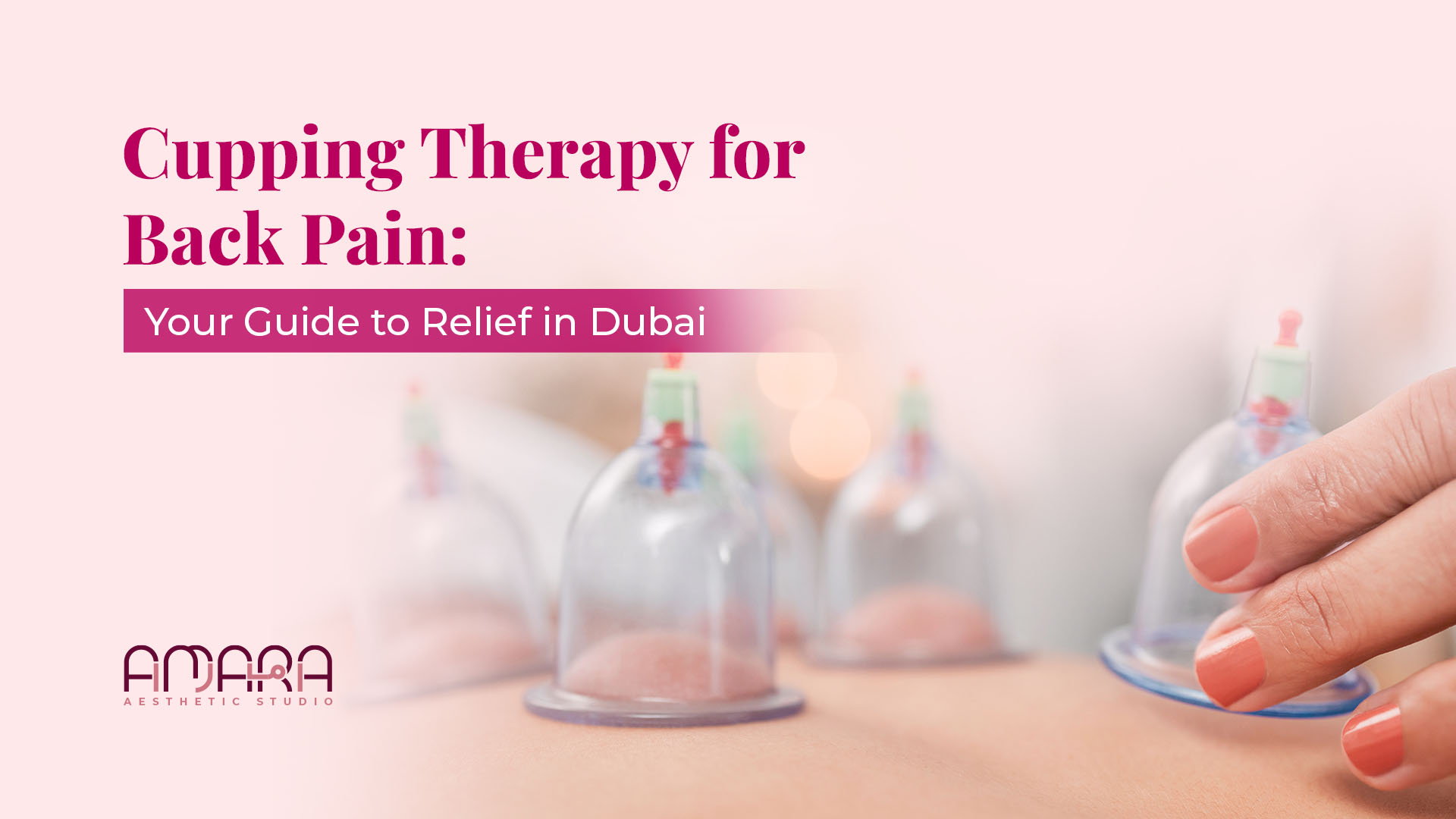
  • Cupping Therapy for Back Pain: Your Guide to Relief in Dubai  

    Cupping Therapy for Back Pain: Your Guide to Relief in Dubai  

    Having a sore back can make it very hard for people to perform even the simplest chores. If you’ve already tried all the possible means to relieve that pain and nothing worked for a long time, it is the right time to try out an entirely new thing – Cupping Therapy. This therapy originates from an ancient technique, and nowadays it is one of the most popular choices among those who suffer from back pain. Let us see what cupping therapy is all about, how it works, and why it could be the solution that your back has always longed for. 

    Are you ready to experience the change?

    Schedule Your Cupping Session

    What Exactly Is Cupping Therapy?  

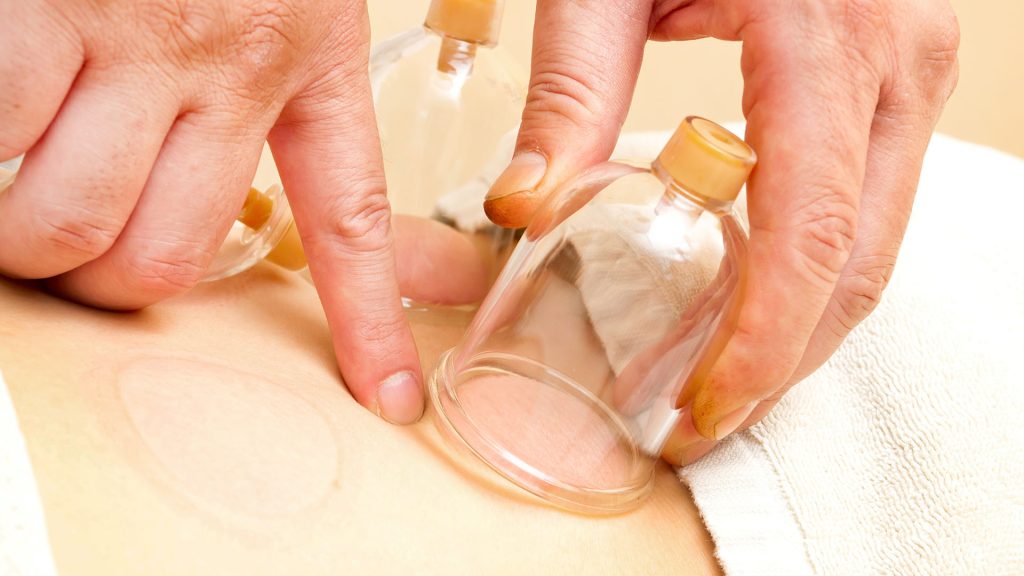
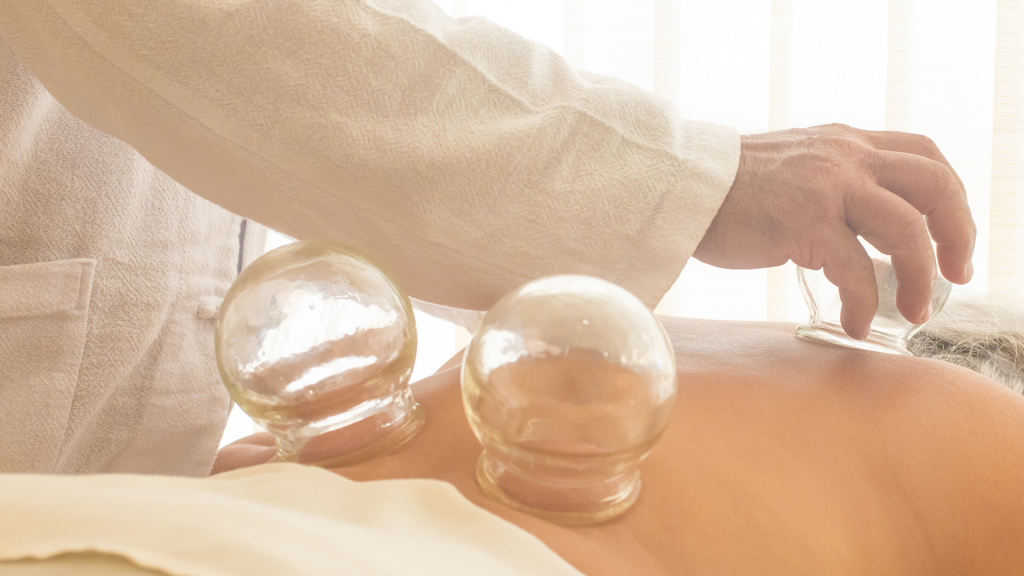
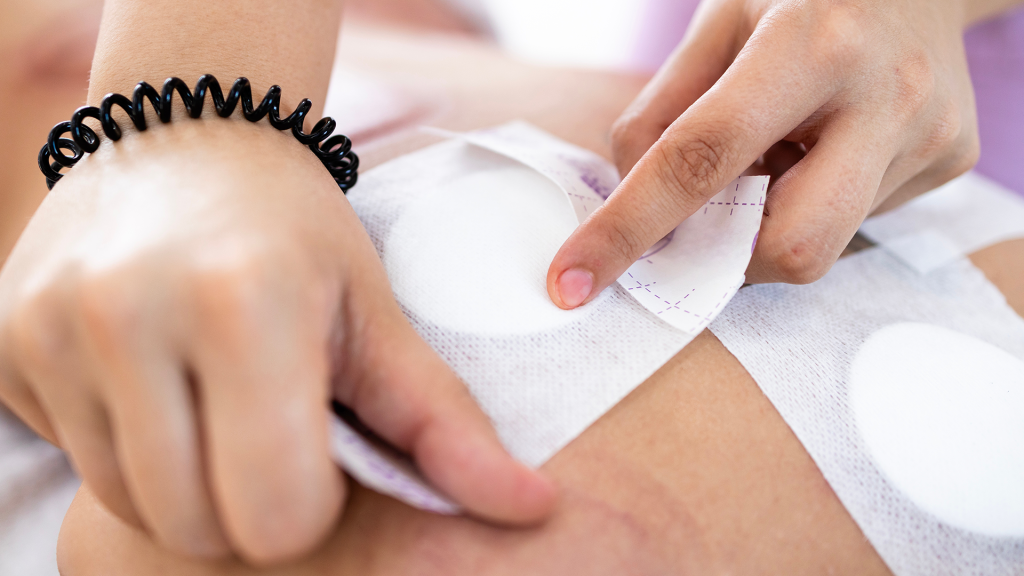
    Cupping is a method that uses vacuum cups applied to the patient’s skin to lift the tissues gently. Along with lifting, better blood circulation is facilitated, and muscle relaxation occurs, which is a natural healing process of the body.   

    If you are seeking cupping for Back Pain in Dubai, it is a harmless, non-invasive way to relieve pain without medication or intense pressure.  

    Types of Cupping Therapy for Back Pain 

    Cupping therapy, an ancient practice that uses suction, is still used for pain relief and better blood flow. There are different types of cupping used for back pain, including the ones mentioned below:  

    1. Dry (Static) Cupping:    

    Dry Cupping Therapy is the most widely used method. Cups are put on the skin for 5-10 minutes. The suction draws more blood to that area, thereby reducing muscle tightness and speeding up the healing process. It helps with chronic stiffness and minor pain.    

    2. Wet (Hijama) Cupping:    

    After the suction is done, incisions are made, and then the cups are put back on to suck out a little blood. This helps in cleansing the toxins out of the body and lower the swelling. Hijama therapy is helpful for back pain treatment in Dubai, but it also requires the area to be sterilized to prevent infection.    

    3. Fire Cupping:    

    In this method, the cup is heated briefly over a flame, creating strong suction. The heat facilitates muscle relaxation and blood flow; therefore, it is effective for deep tissue tension. However, it must be done by trained professionals to avoid burns.    

    4. Moving (Dynamic) Cupping:    

    Cups are moved over the oiled skin, thereby combining suction with massage. This method enhances flexibility, reduces stiffness, and is particularly suitable for larger muscle areas, such as the back.    

    5. Flash Cupping:    

    The cups are applied and removed very quickly, one after another, thus promoting blood flow and relieving light tension.    

    6. Ice Cupping   

    A method in which cold therapy and suction are used together to control swelling, inflammation, and pain after injury.  

    How Does Cupping Help Your Back Pain?

    How Does Cupping Help Your Back Pain

    Let’s look at what occurs when those cups start to operate:   

    • Better blood flow: New blood carries oxygen and nutrients to muscles that needs relaxation.
    • Fascia release: Gets rid of the “sticky” tissue that is the reason for the stiffness.
    • Trigger point relief: Focus on the sharp pain spots you dislike most.
    • Relaxation boost: Soothes your nervous system, thus lowering stress-related tension.

    If you have been looking for muscle pain relief in Dubai, then cupping is the new thing in the market.   

    What Happens During a Session?   

    Your comfort is of utmost importance. Here’s a list of what you can expect:   

    • Small Chat: We want to know about your pain, posture, and lifestyle.
    • Preparation: Skin is cleaned; if moving cupping is used, then oil is applied.
    • Cup positioning: Cups are placed on tight areas like upper back, mid-back, or lower back.
    • Mild suction: The pressure is adjusted to your comfort level.
    • Relax & Breathe: The cups remain in position for 5–10 minutes.

    Benefits You’ll Notice

    Benefits of cupping therapy
    • Less stiffness after long hours at the desk
    • Better flexibility and posture
    • Faster recovery after workouts
    • Reduced tension headaches
    • Improved sleep quality

    Aftercare Steps for Best Results   

    To gain the maximum benefits from your cupping session, follow these easy steps:   

    • Drink plenty of water: It aids detoxification and supports recovery.
    • Avoid high-intensity workouts for 24 hours: Allow your muscles to relax.
    • Apply warmth to the area: A Light heat pack or a warm shower is both wonderful.
    • Apply lotion to your skin: Gently rub lotion on dry areas to comfort them.
    • Try Easy stretches: Cat-cow, shoulder rolls, and torso twists will keep mobility up.
    • Do not use saunas or hot tubs for one day: Let your skin get used to it first.

    Back pain doesn’t have to control your life.With cupping therapy, you can enjoy better mobility, less tension, and a calmer mind. At Amara Aesthetic Studio, we make sure every session is safe, soothing, and tailored to you. We have a team of certified experts who understand your pain. At the clinic, there is modern equipment for safe sessions. For each of our clients, we deliver personalized care plans for lasting results. Be assured of a calm, relaxing environment designed for you. Your back deserves the best and that’s what we deliver.

    Frequently Asked Questions – Cupping Therapy for Back Pain

    1. Is cupping safe for back pain?

    Yes, when done by trained professionals. Expect mild marks that fade in a few days. Always share your health history for a safe experience.

    2. How many sessions do I need?

    Most people feel relief after 1–3 sessions. Chronic pain may need 4–6 sessions for lasting results.

    3. Does cupping hurt?

    No sharp pain, just gentle suction. You might feel tightness during the session and mild soreness after, which fades quickly.

    4. Does cupping help gym-related soreness?

    Absolutely! It improves circulation and speeds of recovery after heavy lifting or intense workouts.

    5. Will the marks after cupping therapy last long?

    Marks usually fade in 3–7 days. They’re no bruises, just signs of improved circulation.

  • Dry Cupping vs Wet Cupping: Which Therapy is Right for You? 

    Dry Cupping vs Wet Cupping: Which Therapy is Right for You? 

    Cupping therapy is popular across cultures, particularly in traditional Chinese medicine and in Middle Eastern practices such as Hijama therapy in Dubai. While cupping has gained popularity worldwide due to its therapeutic benefits, many people are still unsure about the differences between dry cupping and wet cupping

    With this blog, understand the nuances of these two cupping methods. Cupping is beneficial for pain relief, muscle relaxation, or detoxification, but type of cupping therapy may vary as per your needs. So, let’s dive deep into it to understand everything you need to know about dry cupping vs wet cupping.

    What Is Cupping Therapy?

    Before we dig into dry cupping vs wet cupping, let’s first understand what cupping therapy is all about. Cupping basically is placing cups on the skin to create a vacuum effect. This vacuum pulls the skin and underlying tissue upwards, enhancing blood flow, relieving muscle tension, and promoting healing.  

    Dry Cupping: What Is It?  

    Dry Cupping Therapy

    In the method of Dry cupping, suction cups are used without any incisions or bloodletting. Here’s a breakdown of how it works and what it involves:  

    How Does Dry Cupping Work?  

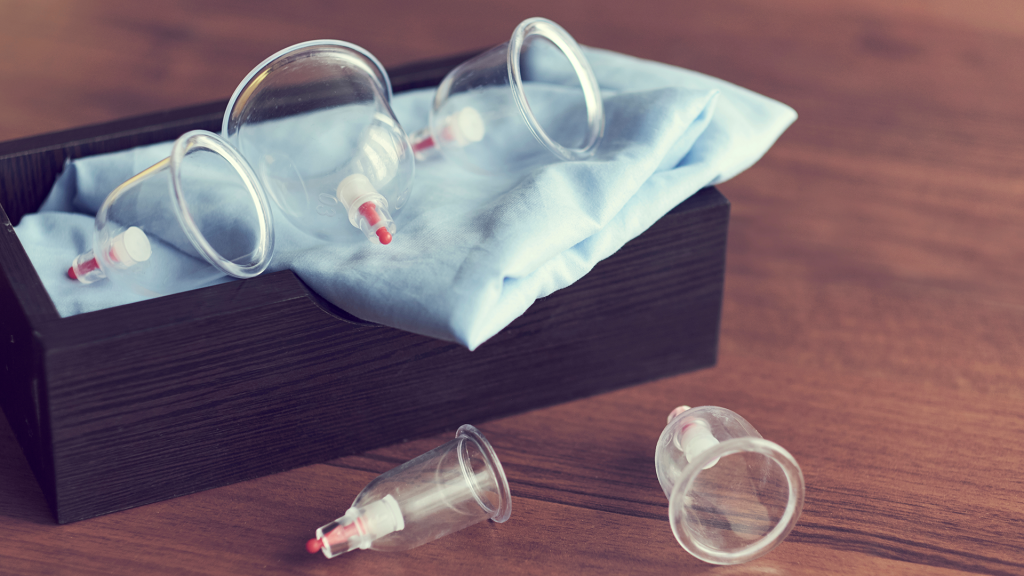
    • Vacuum suction: A therapist uses a cup, typically made of glass, bamboo, or silicone, and creates a vacuum inside the cup using a pump or heat. 
    • Skin suction: The vacuum pulls the skin upwards into the cup, which in turn makes the skin go red due to increased blood flow.  
    • Duration: The cups are left on the skin for about 5 to 15 minutes.  

    Benefits of Dry Cupping:  

    • Pain relief: It can be highly effective for managing chronic pain, such as back pain, muscle stiffness, and joint pain.  
    • Improved circulation: The suction increases blood flow to the treated area, promoting healing.  
    • Stress reduction: Dry cupping is known to relax tight muscles, reduce tension, and anxiety levels 
    • Cellulite reduction: Some people use dry cupping to target cellulite, as it breaks down fat and improves skin appearance. 

    Is Dry Cupping Right for You?  

    • Ideal for those looking for a non-invasive treatment to mitigate pain, muscle soreness, or tension.  
    • Ideal for those who are aligned with a more relaxing approach without the use of needles or bloodletting.  

    Wet Cupping: What Is It?  

    Hijama or Wet Cupping Therapy

    On the other hand, wet cupping, also known as Hijama therapy, is a more intensive form of cupping therapy that involves both suction and controlled bloodletting. This practice is deeply rooted in traditional Middle Eastern medicine.  

    How Does Wet Cupping Work?  

    • Suction and Incision: In wet cupping, the process starts with suction, similar to dry cupping, to draw blood to the surface. Once the skin is raised, small incisions are made with a sterile blade.  
    • Bloodletting: The cups are then reapplied to the skin to extract a small amount of blood. This process removes toxins and improves overall health.  

    Benefits of Wet Cupping:  

    • Detoxification: Wet cupping is thought to help remove impurities and toxins from the body, promoting better overall health.  
    • Pain relief: Like dry cupping, wet cupping is also effective in treating pain, particularly for conditions like migraines, arthritis, and fibromyalgia.  
    • Improved immune function: By removing stagnant blood and toxins, wet cupping is believed to stimulate the immune system, leading to improved health.  
    • Healing faster: The bloodletting aspect helps speed up the healing process by releasing trapped blood that may cause pain or inflammation.  

    Is Wet Cupping Right for You?  

    • Suitable for those seeking a more intensive detoxifying and healing experience.  
    • It’s often recommended for individuals who suffer from chronic health conditions that involve blood stagnation or toxin buildup.  

    Key Differences Between Dry Cupping and Wet Cupping  

    Now that we’ve looked at both types of cupping, find out the best cupping therapy Dubai style for you with these key differences 

    Parameters Dry Cupping Wet Cupping 
    Procedure Only suction, no bloodletting Suction followed by controlled bloodletting 
    Pain Level Generally, less painful Can be more intense due to the incisions 
    Primary Purpose Pain relief, relaxation, and improved circulation Detoxification, pain relief, and immune system boost 
    Risk Lower risk as there’s no blood involved Slightly higher risk due to bloodletting 
    Healing Speed Longer recovery timeFaster recovery time
    Ideal for Muscular tension and stress relief Chronic conditions, toxin buildup, inflammatory issues, acute severe pain, and muscular & nerve tension

    Which Cupping Therapy Is Best for You?  

    Which Cupping Therapy is right for you

    The choice between dry cupping vs wet cupping depends on your individual needs and goals. Here are some factors to consider:  

    • Dry Cupping: Ideal for those looking for a gentle, non-invasive method of relaxation and pain relief. If you’re looking to ease muscle tension or relieve stress, dry cupping may be the right choice for you.  
    • Wet Cupping (Hijama Therapy): Best for individuals seeking deeper detoxification or suffering from chronic health issues that require more intensive treatment. Wet cupping can be especially effective for conditions like arthritis, headaches, and chronic fatigue.  

    In the battle of dry cupping vs wet cupping, both methods offer unique benefits. Whether you’re looking for stress relief with dry cupping or a detoxifying experience with wet cupping (Hijama therapy), it’s important to choose the one that aligns with your specific health needs. If you’re in Dubai, Amara Aesthetic Studio is one of the best cupping therapy clinics in the world, offering both techniques with experienced therapists who can guide you through the process.

    Frequently Asked Questions – Dry vs Wet Cupping

    1. Is cupping therapy safe? 

    Yes, cupping therapy is generally safe when performed by a trained professional. However, there may be some minor bruising or skin irritation.

    2. How often should I get cupping therapy?  

    The frequency depends on the condition being treated. For pain management, you might need one session per month, whereas detox treatments may require one session in 3 months.

    3. Does cupping therapy hurt?  

    Dry cupping is usually painless, though you may feel a slight pulling sensation. Wet cupping can cause some discomfort due to incisions and bloodletting, but the pain is generally tolerable.

    4. Can cupping therapy help with headaches?  

    Yes, both dry cupping and wet cupping can be effective for relieving tension headaches and migraines.  

    5. Can cupping therapy be combined with other treatments?  

    Yes, cupping therapy can complement other treatments like acupuncture, physical therapy, and massage to enhance healing.  

  • Glow Like Never Before with HydraFacial in Dubai

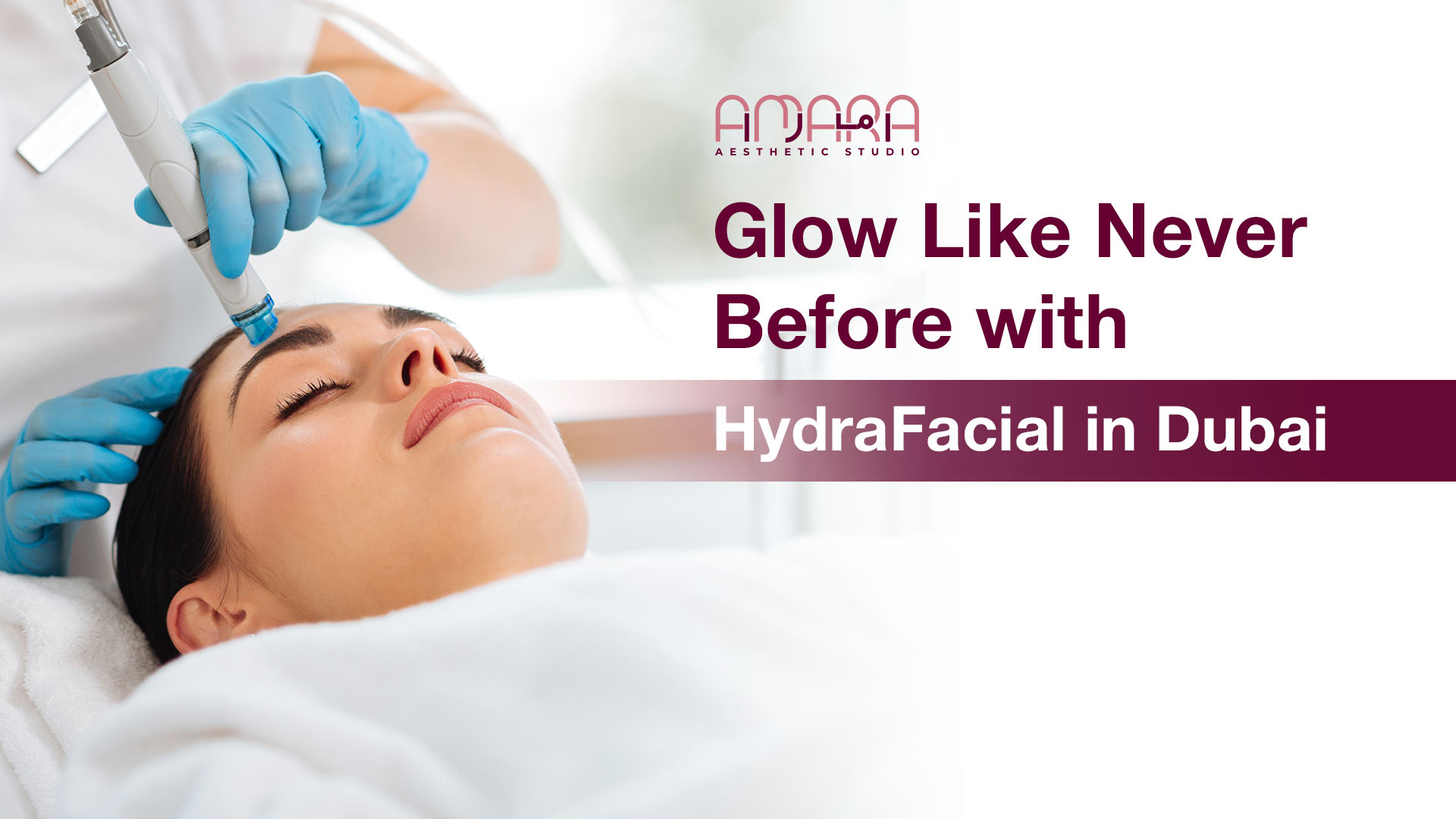
    Glow Like Never Before with HydraFacial in Dubai

    Looking for a radiant, glowing complexion? Skin problems such as fine lines, acne, pigmentation, and uneven texture can often make us feel self-conscious, but there’s good news! The HydraFacial is a non-invasive, rejuvenating treatment that targets a wide range of skin issues and can deliver visible results with minimal downtime. If you’re in Dubai and looking to refresh your skin, this treatment might just be what you need.

    In this blog, we’ll explore how HydraFacial works and highlight the top 8 skin concerns it can address. Whether you’re dealing with oily skin, clogged pores, or signs of ageing, HydraFacial benefits in Dubai can help you achieve clear, glowing, and youthful skin. 

    What is HydraFacial? 

    A HydraFacial is a medical-grade facial treatment that uses a combination of exfoliation, hydration, and extraction to rejuvenate the skin. Unlike traditional facials that often focus on one aspect of skincare, the HydraFacial uses a patented Vortex-Fusion technology to cleanse, exfoliate, extract, and hydrate your skin. 

    HydraFacial is suitable for all skin types, from dry to oily skin, and provides immediate results with no downtime. It’s the ultimate skin refreshment, leaving your face feeling smooth, hydrated, and glowing. The best part? HydraFacial is customizable, allowing for treatments tailored to your unique skin needs. 

    Now, let’s take a closer look at how HydraFacial can target some of the most common skin concerns! 

    8 Common Skin Concerns HydraFacial Can Treat

    Now, let’s take a closer look at how HydraFacial can target some of the most common skin concerns! 

    1. Fine Lines & Wrinkles

    Remove your fine lines & wrinkles by HydraFacial in Dubai

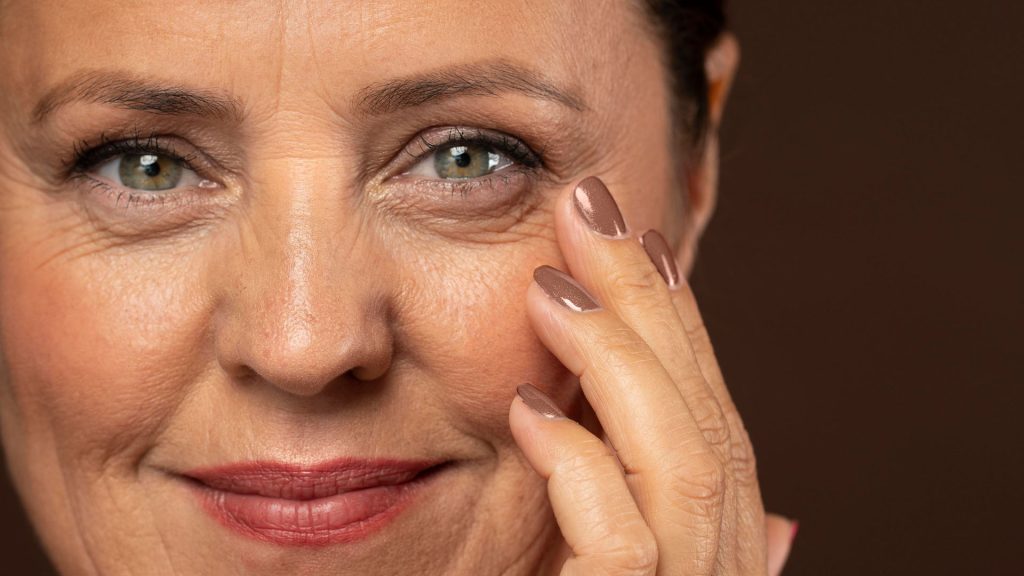
    As we age, our skin loses elasticity and firmness, leading to the formation of fine lines and wrinkles. If you’ve noticed signs of aging around your eyes, mouth, or forehead, HydraFacial can work wonders. By deeply exfoliating the skin and infusing it with rejuvenating serums, HydraFacial stimulates collagen production, which helps to reduce the appearance of wrinkles and restore the skin’s youthful glow.

    HydraFacial benefits for fine lines include:

    • Increasing skin elasticity and firmness 
    • Promoting collagen production for longer-lasting results 

    2. Hyperpigmentation & Dark Spots 

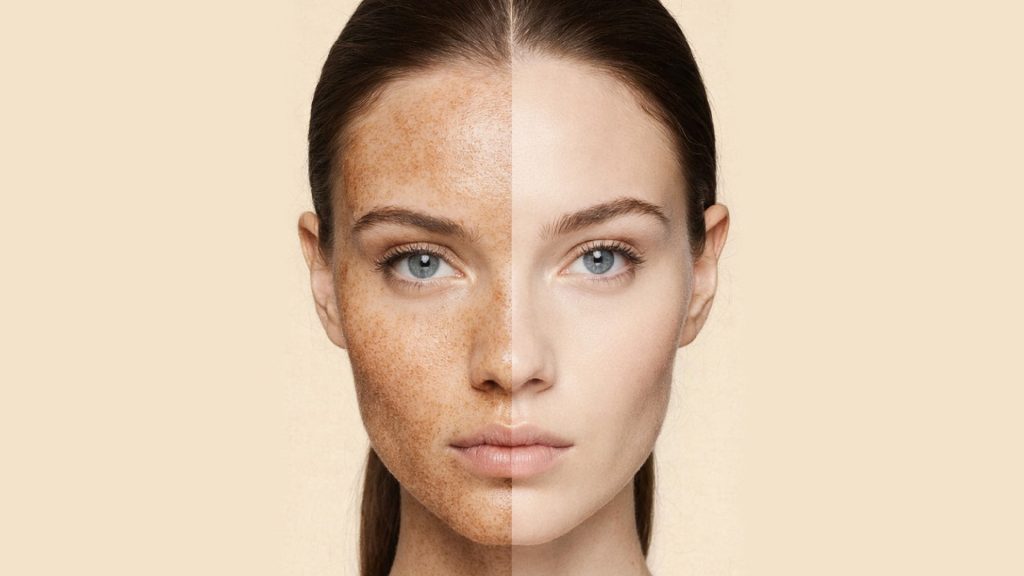
    Sun exposure, acne scars, and hormonal changes can all contribute to dark spots and uneven pigmentation. If you’re struggling with hyperpigmentation, HydraFacial for pigmentation can help! The treatment’s exfoliating and hydrating action helps to fade dark spots by removing dead skin cells and promoting cell turnover. This allows healthier, brighter skin to emerge from underneath. 

    HydraFacial benefits for pigmentation

    • Evens out skin tone and texture 
    • Improves skin brightness and radiance 

    3. Acne and Blackheads 

    If you’re dealing with stubborn acne and blackheads, HydraFacial offers a deep-cleansing solution. The HydraFacial for oily skin is particularly effective in targeting acne by extracting impurities from deep within the pores. The treatment uses a vortex suction to remove excess oil, dirt, and bacteria, which are the primary causes of acne breakouts. 

    HydraFacial benefits for acne

    • Deeply cleanses pores and removes impurities 
    • Helps reduce acne-causing bacteria 

    4. Clogged Pores 

    Clogged pores are a common problem, especially for people with oily skin. When dead skin cells, oil, and debris build up in the pores, they can become blocked, leading to breakouts and skin congestion. HydraFacial’s powerful extraction process effectively clears out these blockages, leaving your pores clean and your skin looking refreshed. 

    HydraFacial for clogged pores

    • Gently extracts debris from pores 
    • Prevents blockages that can lead to breakouts 

    5. Oily Skin and Congestion

    HydraFacial can remove oil & Congestion

    Dealing with oily skin or congested skin? You’re not alone. Many people struggle with excess sebum production, which can lead to greasy, shiny skin and clogged pores. HydraFacial helps control oil production by deep cleansing and hydrating the skin. It balances sebum levels while maintaining hydration, which is key for healthy skin. 

    HydraFacial benefits for oily skin

    • Balances oil production 
    • Prevents clogged pores and breakouts 
    • Hydrates skin without making it greasy 

    6. Dry and Dehydrated Skin 

    Dubai’s hot and dry climate can often leave your skin feeling drained and dehydrated. Dry skin can appear dull, flaky, and tight, making it difficult to achieve that healthy glow. HydraFacial’s hydrating serums are designed to replenish moisture deep into the skin, providing long-lasting hydration and improving the skin’s overall texture. 

    HydraFacial benefits for dry skin

    • Deeply hydrates and restores moisture 
    • Promotes a smoother, more radiant complexion 

    7. Uneven Skin Tone and Texture 

    Uneven skin tone and texture can be caused by various factors, including sun damage, acne scars, or general skin aging. If you’re noticing rough patches or blotchy areas on your skin, HydraFacial can help by exfoliating the surface and promoting healthy skin turnover. The treatment gently polishes the skin, leaving it smoother and more even in tone. 

    HydraFacial benefits for uneven skin

    • Smoothes out rough texture and surface irregularities 
    • Evens out skin tone and reduces redness 
    • Promotes a dewy complexion 

    8. Skin Laxity 

    Skin laxity, or loose skin, often occurs due to aging, sun damage, or significant weight loss. If you’ve noticed sagging around your cheeks, jawline, or neck, HydraFacial can help tighten and lift the skin. By stimulating collagen production and hydrating the skin, the treatment improves skin firmness and elasticity. 

    HydraFacial benefits for skin laxity

    • Firms and tightens sagging skin 
    • Improves skin elasticity 

    Why HydraFacial is Worth It

    Why HydraFacial is Worth It

    Apart from the incredible skin benefits listed above, HydraFacial has several other reasons why it’s so popular in Dubai. Here are a few highlights: 

    • Customizable: The treatment can be personalized to address specific skin concerns, from pigmentation to acne to dryness. 
    • Non-invasive: No needles, no downtime – just glowing, radiant skin. 
    • Immediate results: Many people notice a visible improvement after just one session. 
    • Safe for all skin types: Whether you have sensitive skin or oily skin, HydraFacial works for all. 

    If you’re ready to experience the HydraFacial results for yourself, book an appointment with us at Amara Aesthetic Studio. Let our expert team help you uncover your most glowing, beautiful skin. Don’t wait because your skin deserves it!

    Frequently Asked Questions – HydraFacial Benefits

    1. How many sessions are needed for visible results?

    While some people notice results after a single session, for optimal and long-lasting results, 4-6 treatments spaced 2-4 weeks apart are recommended.

    2. What is the approximate cost for getting a HydraFacial in Dubai?

    The cost of HydraFacial in Dubai could vary somewhere between 300-500 AED.  

    3. Are there any side effects after HydraFacial?

    There are typically no side effects. Some may experience slight redness or sensitivity, but these symptoms usually disappear within a few hours after treatment. 

    4. Can I wear ma keup after HydraFacial?

    Yes, you can wear m0akeup immediately after a HydraFacial treatment. Your skin will look radiant, but it’s best to allow it to breathe for a few hours.

    5. How does HydraFacial compare to other facials?

    HydraFacial is more advanced than traditional facials, offering deeper hydration, extraction, and exfoliation with no downtime, making it a more effective and convenient option for rejuvenation.

  • Hijama for Athletes: Recovery, Stamina, and Performance

    Hijama for Athletes: Recovery, Stamina, and Performance

    Training hard is one thing for an athlete. Recovering smarter is another. You can’t enhance performance without recovery. Now recovering well might sound simple, but an athlete knows the feeling of screaming muscles after a brutal session, energy dipping, and that lingering soreness that just won’t leave.  

    While maintaining adequate protein intake and getting 7 to 9 hours of quality sleep are key to faster recovery, many athletes are turning to therapy that has stood the test of time. They understand that even with all the right recovery steps, some areas of muscle soreness simply refuse to fade. The therapy in question is Hijama, also known as Wet Cupping Therapy

    In fact, there are many studies that show that Hijama therapy can help enhance sprint performance while reducing perceived exertion. Moreover, a 2025 study found that wet cupping post-exercise lowered blood lactate and heart rate, boosting recovery in athletes. 

    Whether you are sprinting, powering through intense circuits, or lifting heavy iron, understanding the Hijama Therapy and its benefits for sports will give you an edge that goes beyond modern recovery methods. In short, Hijama is not a wellness fad but a proven therapy for athletes, irrespective of the sport.  

    Now that we’ve explored how Hijama benefits athletes, it’s time to understand why recovery holds such vital importance in the first place. 

    Why Recovery Matters as Much as Training 

    Athlete relaxing after a workout

    Imagine training hard while creating micro tears in your muscles, only to do it all over again. While your performance highly depends on muscle strength, it can backfire on you if fatigue persists for long periods of time. Overworked muscles, fatigue, and slow healing can sabotage progress faster than a skipped warm-up. 

    This is where sports recovery hijama comes in. Unlike a deep tissue massage, which sometimes can’t get that deep, hijama therapy works on an even deeper level. By drawing out blood from the key areas, it stimulates blood circulation, flushes out metabolic waste, and triggers the body’s natural repair systems.  

    What Hijama Therapy Actually Does 

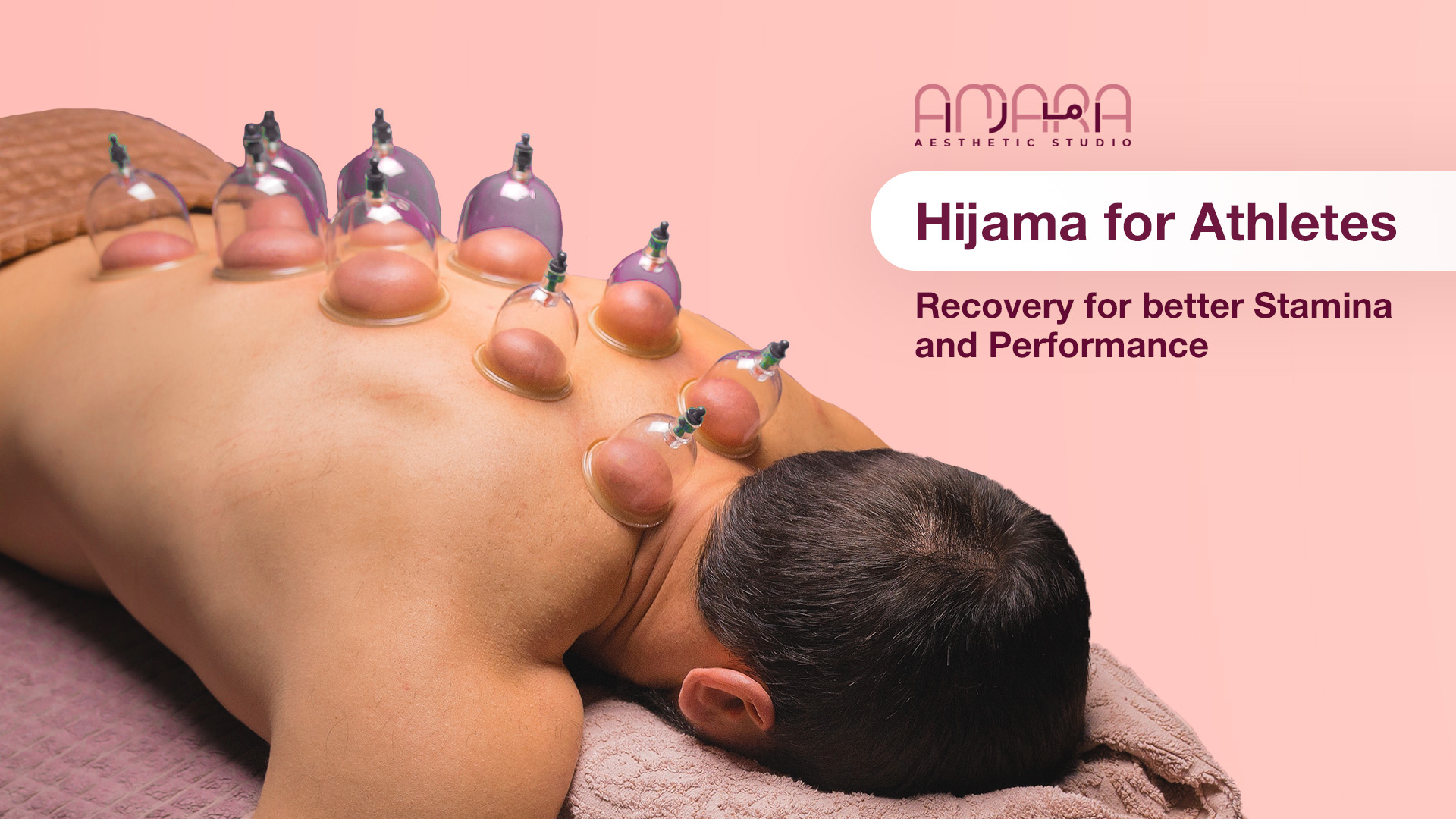
    If you’ve never tried Hijama or any form of cupping therapy, it might sound a bit intense at first. In reality, the process is simple, precise, and safe. In wet cupping for athletes, small suction cups are placed on tiny incisions over the affected area to gently draw out blood using vacuum pressure, creating a deep sense of release and detoxification.  

    How Hijama Helps in Muscle Recovery 

    As we mentioned above, training hard can often lead to microtears, which can eventually cause soreness and fatigue. Hijama for muscle recovery is the process of repairing muscle fibers, making them stronger, and preparing you as an athlete for the next session.   

    Furthermore, this can mean fewer DOMS (delayed onset muscle soreness) days, faster return to training, and less risk of overuse injuries. 

    Hijama for Stamina and Endurance 

    Hijama Therapy performed on an Athlete

    We often associate stamina with running for long durations, but in reality, it’s about how efficiently your body utilizes energy. When the blood in your body flows smoothly and the muscles get enough oxygen, your endurance improves automatically. Athletes who adopt hijama as a healing therapy have clearly experienced longer performance without feeling drained, reduced lactic acid buildup, and smoother recovery between training sets. Regardless of the sport you are participating in, this therapy can help your body sustain higher intensity for longer periods.  

    Whether you’re preparing for a marathon, a rugby match, or a CrossFit competition, this therapy can help your body sustain higher intensity for longer periods. 

    Enhancing Athletic Performance with Hijama

    Recovery is crucial, but performance is king. Hijama targets specific muscle groups and tension points, allowing athletes to move more efficiently. Improved circulation, reduced stiffness, and optimized muscle function can make a subtle yet significant difference.  

    How Cupping Therapy Works for Athletes: Process, Technique, and More  

    For those who are new to Hijama therapy the process is quite straightforward: 

    • Assessment: Firstly, your practitioner identifies the areas of muscle tension or fatigue.
    • Placement: After the thorough assessment of your body, the practitioner makes small incisions on the affected area and then places cups on these points.
    • Suction: The cups create a vacuum that draws the skin upward, increasing blood flow.
    • Controlled blood release: Small incisions allow blood to flow, triggering healing responses.
    • Recovery: After the session is completed, athletes rest briefly to let the body adjust. 

    Now you might be worried about the suction marks. Well, they fade within the days and have no impact on training.  

    Integrating Hijama into Training Routines

    Athlete running

    Till now, we have covered all “whys” to get hijama therapy done, but we haven’t talked about “when” yet. For an athlete, timing is indeed the most important aspect. Examining the difference between recovery and burnout is very important. Like any training tool, hijama works best when it’s part of a planned routine, not a one-off experiment. 

    Athletes should get the Hijama therapy done during their rest and recovery periods. The days after an intense training session or after a game/competition are good days to get the therapy done.  

    How to Find a Skilled Practitioner for Hijama Therapy in Dubai 

    Choosing the right expert for Hijama therapy can make all the difference for you and your body. In Dubai, where wellness is not a luxury but a necessity, you will find plenty of options, but you need to choose the right expert because not everyone offers the same level of care.  

    In a city like Dubai, where wellness is taken seriously, you’ll find plenty of options, but not everyone offers the same level of care. The key is to look for someone who understands both the science and the art behind Hijama.  

    Hijama is a very intriguing process, specifically hijama for muscle recovery. A good practitioner should know exactly where to apply the cups, how much suction to use, and how to make the process comfortable from start to finish. And of course, hygiene is everything.  

    That’s exactly what sets Amara Aesthetic Studio apart. Here, every Hijama session is done in a calm and meticulously clean setting. The professionals at Amara don’t just perform the therapy; they personalize it. Whether you’re recovering from intense training, dealing with muscle tightness, or simply want to boost endurance, they make sure each step feels safe, precise, and restorative.

    BOOK YOUR FREE CONSULTATION

    Frequently Asked Questions – Hijama for Athletes

    1. Can Hijama therapy help reduce soreness and stiffness? 

    Absolutely, it targets muscle knots and improves circulation, helping reduce post-training soreness and stiffness in hard-to-relax areas.

    2. Will I be able to train right after a session?

    It’s best to give your body 24-48 hours of rest before intense training, allowing your muscles to recover and respond to the therapy.

    3. Does Hijama leave marks or bruises?

    Mild circular marks can appear but usually fade within a few days. They’re a natural sign that blood flow and detoxification have been activated.

    4. Can Hijama help prevent sports injuries?

    Yes, it can definitely help prevent sports injuries by improving blood flow, reducing muscle tightness, and promoting faster recovery.

    5. How is Hijama different from sports massage or physiotherapy?

    While massages focus on muscle relaxation, Hijama goes deeper and removes stagnant blood and toxins, encouraging true internal recovery.

    6. Is there anything I should do before or after a Hijama session?

    Stay hydrated, avoid heavy meals beforehand, and rest after the session. Your body needs time to recharge and process the therapeutic effects.