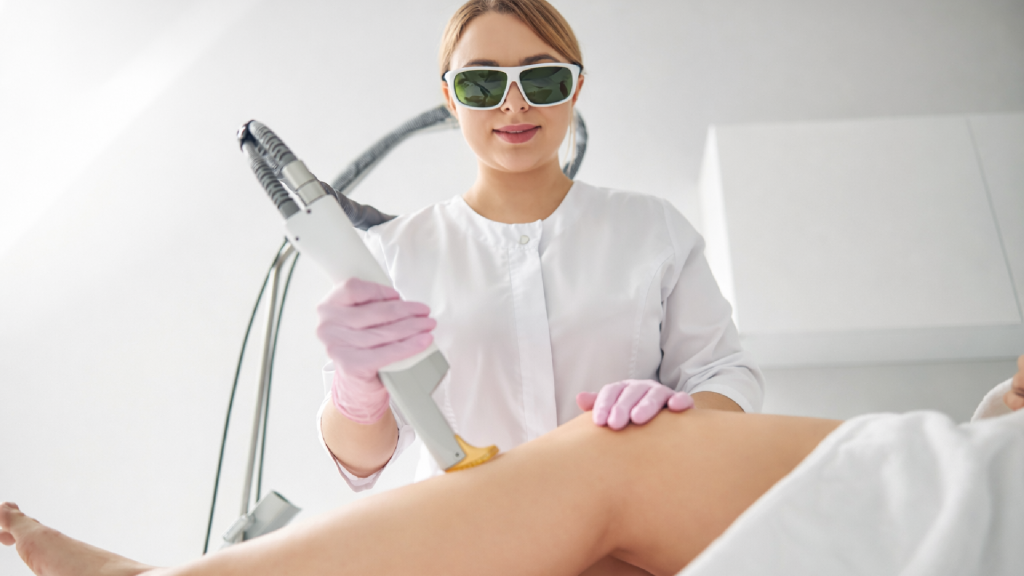
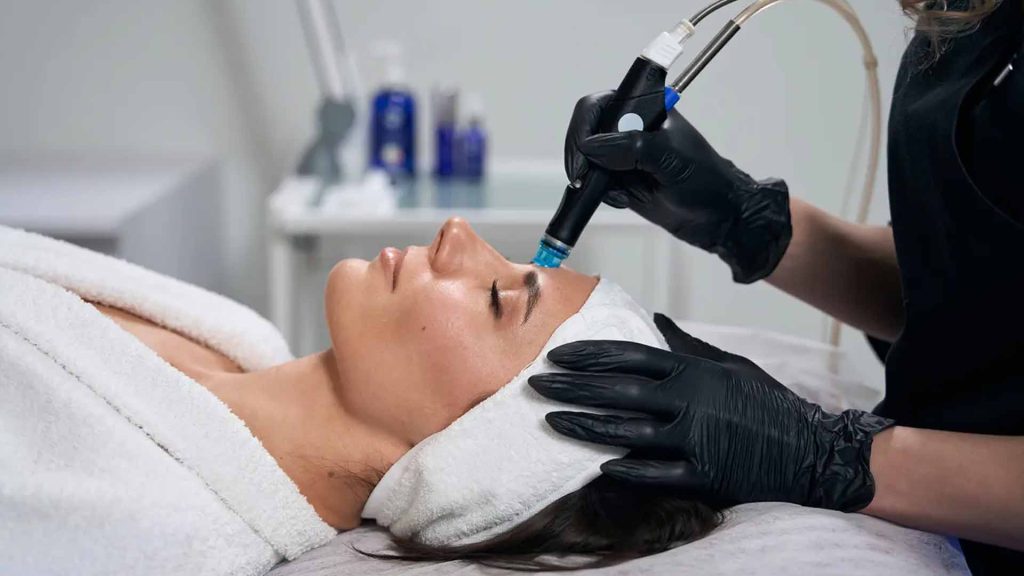
When it comes to hair removal, choosing the right method is extremely important, especially when it is about sensitive areas of your body like the face, bikini line, or underarms. Two popular methods that people generally consider for these delicate areas are Soft Light (IPL) and Laser Hair Removal. Both offer long-term hair reduction, but they differ in terms of comfort, effectiveness, and suitability for various skin types. Through this blog, we’ll compare the two methods to help you make an informed decision about which is best for you. Let’s get started.
What Is Soft Light Hair Removal?
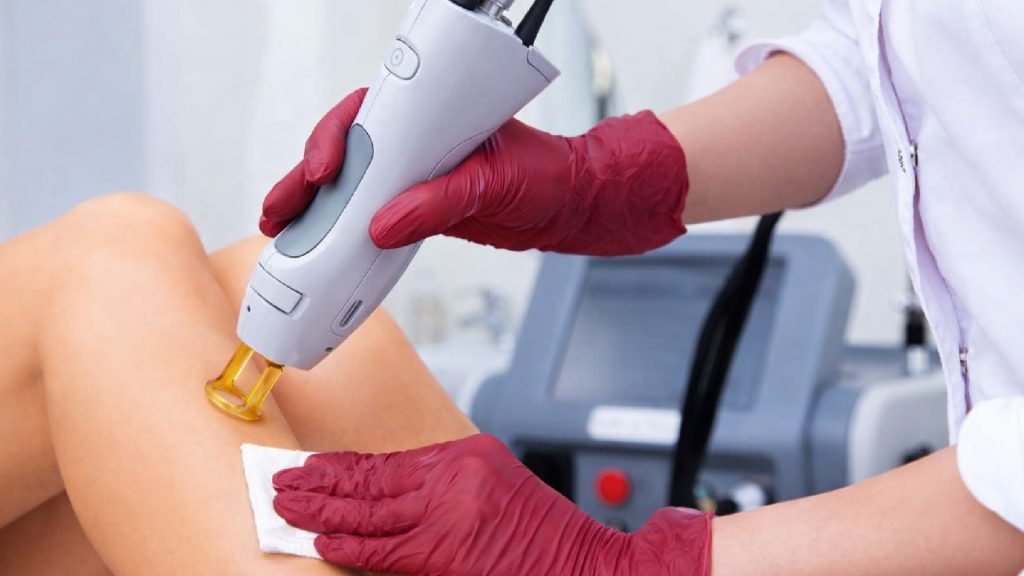
Soft Light Hair Removal, also known as Intense Pulsed Light (IPL), is a non-invasive procedure that uses a broad-spectrum light to target hair follicles. Unlike lasers, which emit a single wavelength, IPL utilizes multiple wavelengths, making it a gentler and less intense method. The pigment in the hair absorbs the light emitted by the IPL device, and the energy works to destroy the follicle, preventing future hair growth.
Why Soft Light Is Ideal for Sensitive Areas
Soft Light treatments are often preferred for more sensitive or delicate areas such as face, upper lip, chin, and bikini line. Because IPL disperses light energy over a wider area, it’s generally gentler on the skin and less likely to cause irritation compared to lasers. This makes it a suitable option for people who want hair removal without the discomfort.
However, IPL works best on individuals with lighter skin and darker hair. If you have darker skin, the IPL treatment may be less effective due to the way the light is absorbed.
What Is Laser Hair Removal?
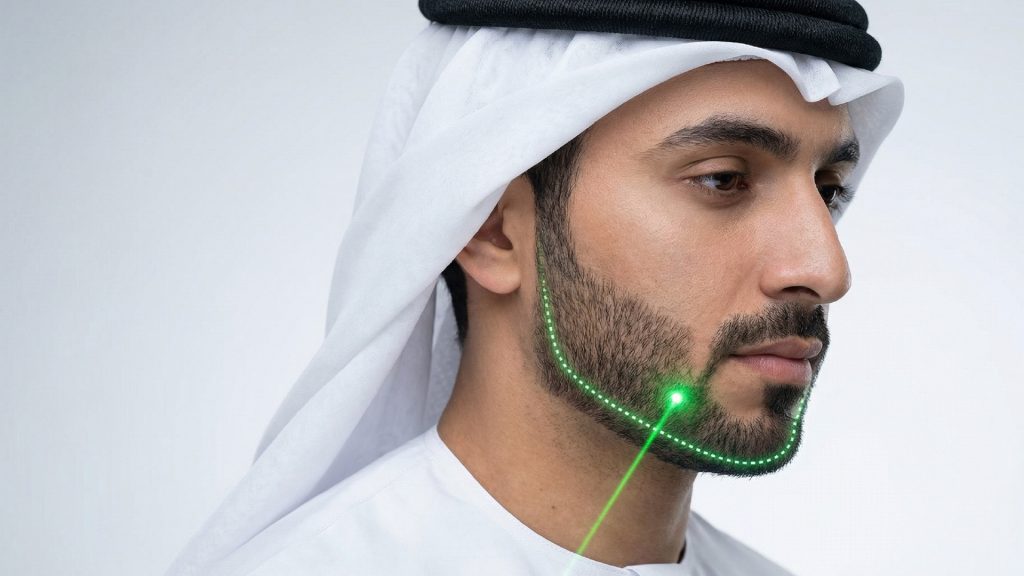
Laser hair removal uses focused light of a single wavelength to target the pigment in hair follicles. The heat from the laser destroys the hair follicle, preventing future growth. Unlike IPL, which uses broad-spectrum light, laser hair removal is more concentrated and can treat areas with accuracy.
The Precision of Laser Treatment
Laser hair removal is a highly targeted treatment, making it ideal for precise areas like the upper lip, chin, or bikini line. It works best on individuals with light skin and dark hair. The treatment can also work on people with darker skin, though certain types of lasers may be required to adjust for different skin tones.
Laser hair removal is effective for permanent hair reduction and typically requires fewer sessions than Soft Light to achieve lasting results.
Soft Light vs Laser Hair Removal: Detailed Comparison
1. Effectiveness for Delicate Areas
Both Soft Light and Laser Hair Removal are suitable for hair removal in sensitive areas, but laser hair removal is generally more effective when it comes to permanent hair reduction. It requires fewer sessions, and the results are longer-lasting, particularly for individuals with darker, coarser hair. On the other hand, Soft Light (IPL) may need more sessions and works best on fine to medium hair types.
2. Pain and Comfort Levels
When it comes to pain, Laser Hair Removal tends to be a bit more intense due to the precision of the laser light. Patients often describe the sensation as a rubber band snapping against the skin. However, the discomfort is usually brief, and most clinics offer cooling systems to reduce pain. Soft Light (IPL), on the other hand, is generally more comfortable. Most people report only a mild sensation of warmth or slight tingling, making it a gentler option for those with low pain tolerance.
3. Skin Sensitivity
If you have sensitive skin, Soft Light might be the better choice. Since IPL disperses the light over a broader area, it is less likely to cause irritation or redness. However, people with darker skin tones may experience fewer effective results with IPL. Laser treatments, while precise and effective, can sometimes cause temporary redness or swelling, especially in sensitive areas. It’s important to consult with a professional to determine which treatment is best for your skin type.
4. Treatment Time and Sessions Required
Laser Hair Removal typically requires fewer sessions compared to Soft Light for permanent results. Most people will need around 6 sessions, spaced 4-6 weeks apart, to achieve long-lasting results. Soft Light (IPL), on the other hand, may require more sessions (7-10) to achieve similar results, especially on coarse or thicker hair. While IPL sessions are usually shorter in duration, the total number of sessions might be a consideration if you’re looking for the fastest possible results.
5. Suitability for Different Hair and Skin Types
Laser hair removal is ideal for people with fair skin and dark hair because the laser targets the pigment in the hair. IPL is better suited for those with light to medium skin tones and darker hair. However, both methods have evolved, and there are newer technologies that cater to a wider range of skin tones and hair colors. For people with fine or light-colored hair, laser hair removal is typically more effective than IPL.
Final Verdict: Which Is Better for Sensitive Areas?
Choosing between Soft Light (IPL) and Laser Hair Removal depends on your skin sensitivity, pain tolerance, and desired results. Soft Light is gentler and ideal for sensitive or delicate areas, offering a comfortable experience with minimal irritation. Laser Hair Removal, however, provides faster, long-lasting results, making it more effective for thicker, darker hair or stubborn growth in smaller areas, while requiring fewer sessions.
Why Choose Amara for Your Hair Removal Needs?
At Amara, we are dedicated to offering personalized, professional care for all our clients. Whether you choose Soft Light (IPL) or Laser Hair Removal, we’ll tailor the treatment to your skin type, hair color, and personal preferences. With state-of-the-art technology and a team of certified professionals, we provide a safe, comfortable, and effective experience every time. Choose Amara for expert hair removal services and achieve the smooth, hair-free skin you’ve always wanted.
Frequently Asked Questions – Soft Light vs Laser Hair Removal
1. How long do the results of laser hair removal last?
Laser hair removal offers permanent hair reduction after about 6-8 sessions. Maintenance treatments may be needed every 1-2 years for touch-ups.
2. Is IPL safe for all skin types?
IPL is best suited for light to medium skin tones. It may not be as effective for dark skin tones or fine hair, as the light is absorbed by pigmentation.
3. How many sessions are needed for facial hair removal?
Most individuals require 6-8 laser hair removal sessions spaced 4-6 weeks apart for optimal facial hair removal results.
4. Can hormonal changes affect hair removal results?
Hormonal imbalances can trigger hair regrowth, especially in areas like the face and chin. Hormonal treatments or additional sessions may be needed to address this issue.
5. Are there any side effects of laser hair removal?
Common side effects include temporary redness, swelling, or mild discomfort. Serious side effects like scarring or pigmentation changes are rare when performed by a trained professional.
6. Does IPL work for fine or light-colored hair?
IPL may not be as effective on fine or light-colored hair. Laser hair removal is typically better for treating such hair types.
Full, well-shaped lips have long been associated with youth and facial balance. Today, achieving that look no longer requires surgery. Lip filler in Dubai has become one of the most popular non-surgical aesthetic treatments for people who want subtle volume, improved lip shape, or better hydration.
What makes lip fillers appealing is their simplicity. The treatment takes less than an hour, involves minimal downtime, and can be customized to enhance your natural features rather than dramatically change them.
Through this blog; we will make you understand how the process works that can help you make an informed decision.
Lip Fillers 101: Understanding the Treatment Behind Fuller Lips
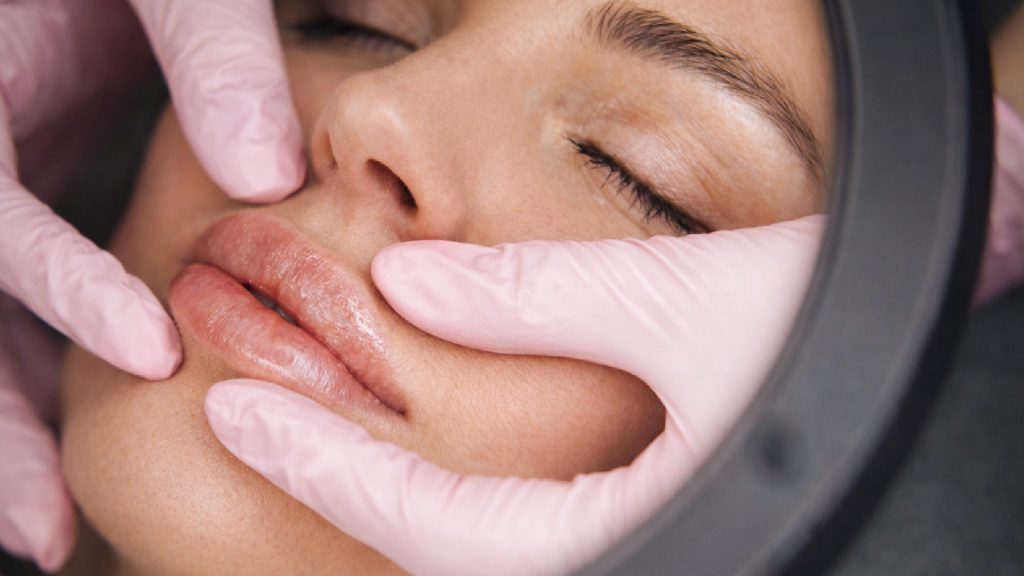
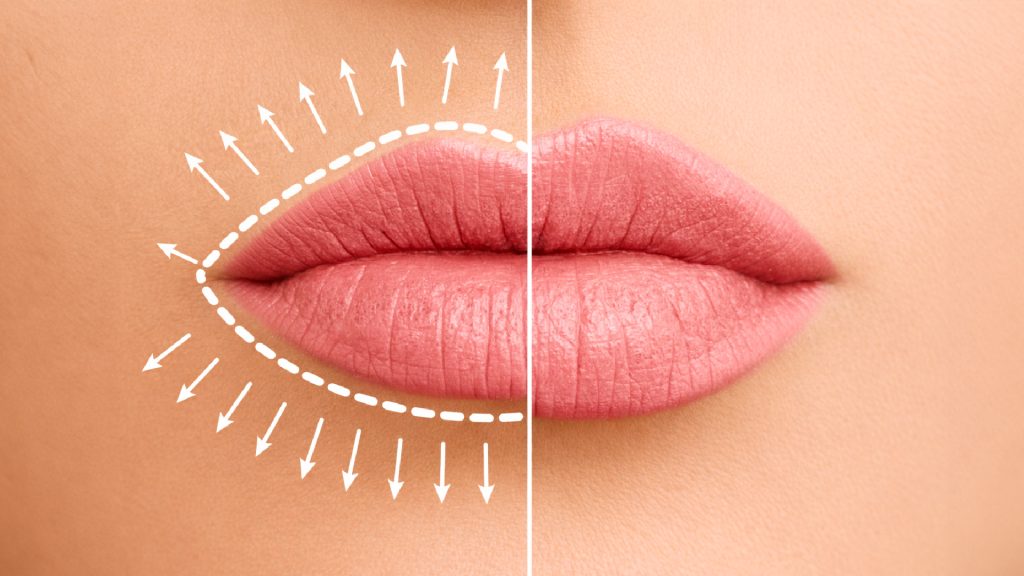
Lip fillers are injectable treatments designed to add volume, improve lip shape, and smooth fine lines around the mouth. Fillers are made using hyaluronic acid, a substance naturally found in the body that helps retain moisture and maintain skin elasticity.
When carefully injected into specific areas of the lips, the filler adds gentle volume while keeping the lips soft and natural in appearance.
Many aesthetic clinics also combinelip fillers and skin boosters in Dubai to enhance hydration and overall lip texture. While fillers add structure and volume, skin boosters focus on improving skin quality by deeply hydrating the area.
Why Lip Injections in Dubai Have Gained Popularity?
Dubai’s aesthetic industry is known for its advanced technology, experienced practitioners, and strict safety standards. As a result, people from different parts of the world seek non-surgical lip enhancement and skin boosters in Dubai.
Some common reasons people choose lip fillers include:
Enhancing naturally thin lips
Restoring volume lost with age
Improving lip symmetry
Defining the lip border and cupid’s bow
Reducing fine lines around the mouth
Deeply hydrates the lips
Adds a gentle pink touch to your lips
In today’s time; people are not seeking lip fillers for exaggerated volume; they are rooting for natural-looking enhancement that aligns with their facial proportions.
The Lip Filler Procedure: What Happens at Each Step?
Understanding how the treatment works can help ease any hesitation you may have. Here is what the typical process looks like when getting lip filler in Dubai.
1. Initial Consultation
The process begins with a consultation with a qualified aesthetic practitioner. During this appointment, your facial structure, lip shape, and desired outcome are discussed.
Rather than focusing only on lip size, the practitioner evaluates how the lips fit with the rest of your facial features. This helps ensure that the result looks balanced and natural.
You will also be informed about the type of filler being used, the expected results, and any precautions to follow before the treatment.
2. Preparing for the Treatment
On the day of the procedure, the lips are carefully cleansed, and a topical numbing cream is applied. This helps minimize discomfort during the injections.
Most people describe the sensation as mild pressure rather than pain. The numbing cream usually takes about 10–15 minutes to take effect.
3. The Injection Process
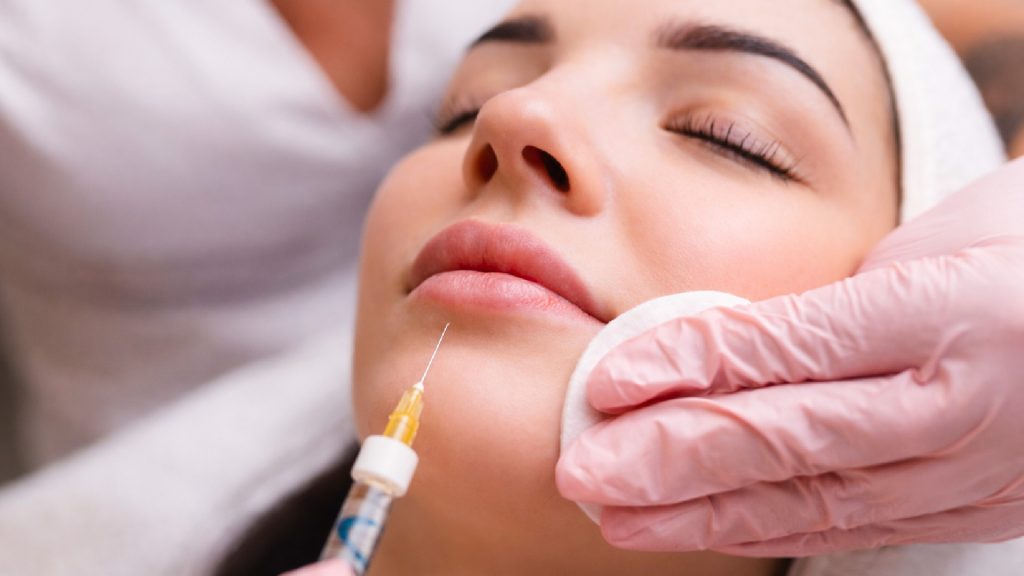
Once the area is numb, the practitioner injects small amounts of filler into specific points in the lips.
The injections may target:
The lip body to add volume
The lip border to improve definition
The cupid’s bow for better shape
Corners of the mouth for subtle lift
The entire procedure typically takes around 20–40 minutes. This includes about 20 minutes for local anesthesia to numb the area, followed by 15–20 minutes for the filler injection itself. Experienced practitioners usually follow a conservative approach, adding filler gradually to avoid overcorrection.
4. Immediate Results
One of the advantages of lip injections in Dubai is that results are visible almost immediately.
However, mild swelling is common after the procedure, so the lips may appear slightly fuller than the result during the first couple of days.
As the swelling settles, the lips soften and the final shape becomes more visible.
5. Recovery and Aftercare
Lip filler recovery is usually straightforward. Most people return to their daily activities the same day. You may experience minor swelling or slight bruising for a few days. Clinics generally recommend:
Avoiding strenuous exercise for 24 hours
Avoiding excessive heat such as saunas
Staying well hydrated
Avoiding pressure on the lips immediately after treatment
Following these guidelines helps ensure smooth healing and optimal results.
Commonly Used Lip Fillers for Natural-Looking Results
Different dermal fillers are used depending on the desired outcome; whether it is subtle hydration, gentle volume, or improved lip contour.
1. Juvéderm: This brand offers several lip-specific fillers with different consistencies. These are medium to hard fillers, providing more structure and definition. These are often used to enhance lip shape, improve contour, or add volume depending on the desired result.
2. Restylane (including Restylane Kysse): Restylane Kysse is a very soft filler designed specifically for lip enhancement. It helps add gentle volume, improve lip texture, and enhance the natural pink tone of the lips while maintaining softness and flexibility.
3. Belotero: Belotero comes in multiple formulations ranging from soft to medium to hard textures. Softer versions are commonly used for subtle lip refinement and for smoothing fine lines around the mouth, while medium variants can provide light structure.
4. Teosyal: Teosyal fillers designed for lips are generally known for their soft texture. They are often used when the goal is hydration and subtle enhancement rather than significant volume.
5. Aliaxin: Aliaxin fillers are commonly used for lip contouring and volume enhancement. Different types within the Aliaxin range allow practitioners to either add structure to the lip border or create fuller lips while maintaining natural movement.
6. Kálos Filler: Kálos fillers can be used for lip enhancement depending on the specific formulation. They are typically selected for improving lip shape, adding balanced volume, or enhancing definition.
Who Is a Good Candidate for Lip Fillers?
Lip fillers are not just for people seeking significant volume. Many individuals in Dubai choose lip filler to softly enhance their natural lip shape, restore fullness lost with age, or improve hydration. People over 40 often opt for lip injections to rejuvenate lips, smooth fine lines, or add a subtle pink tint, giving a more youthful appearance.
You may be a good candidate if you have naturally thin lips and want a little more volume while keeping the results natural-looking. The treatment can also help improve minor lip asymmetry or add gentle definition to the lip border and cupid’s bow.
Others, such as those who have lost weight and want to restore hydration or soft volume, also benefit from this treatment. A consultation with a qualified practitioner helps determine the most suitable approach based on your goals and natural lip structure.
Why Choose Amara for Lip Fillers in Dubai?
Choosing the right clinic makes all the difference in achieving natural, balanced, and harmonious results. Our practitioners are highly experienced and understand how to highlight your natural beauty with precise measurements and subtle touches, creating results that look effortless and age appropriate. They focus on enhancing what you already have, rather than changing your appearance completely.
Patients choose Amara because of:
Expert aesthetic practitioners who know exactly what suits your face shape and features
Personalized consultations to design a treatment plan unique to you
Advanced techniques that ensure natural-looking, soft, and balanced results
A focus on safety and comfort, making your experience smooth and reassuring
Comprehensive aesthetic solutions, from non-surgical lip enhancement to skin boosters, all designed to refresh and enhance your look
Frequently Asked Questions – Lip Fillers in Dubai
1. How should I prepare before getting lip fillers?
Before your appointment, it’s usually recommended to avoid alcohol, blood-thinning medications, and certain supplements for a day or two, as they may increase bruising.
2. Is there any downtime after lip filler treatment?
Lip fillers usually involve minimal downtime. Most people resume normal activities the same day, though mild swelling or slight bruising may occur and typically settles within a few days.
3. Can lip fillers be adjusted or reversed if needed?
Most modern lip fillers contain hyaluronic acid, which can be dissolved if needed. This allows practitioners to adjust or reverse results, offering flexibility and reassurance, especially for first-time patients.
4. Will lip fillers affect how my lips feel or move?
When done correctly, lip fillers do not affect natural lip movement. After initial swelling settles, the lips usually feel soft and flexible, allowing normal speaking, smiling, and eating.
5. Can lip fillers help with fine lines around the mouth?
Fillers can sometimes soften fine lines around the lips by providing gentle support beneath the skin. Many people also combine lip fillers with skin boosters for improved hydration and smoother skin.
6. How long do Lip Fillers Last?
Lip fillers typically last 6 to 12 months, depending on the product used and individual metabolism. Many people choose occasional touch-ups to maintain lip volume, shape, and hydration over time.
When you visit your dentist, you expect your teeth to be checked and cleaned. But what if a problem is developing where no one can see it? Not every dental issue shows visible signs at an early stage. This is why dental X-rays in Dubai are an important part of modern dental care.
They allow your dentist to look beneath the surface of your teeth and gums. Instead of guessing, your dentist can see exactly what is happening inside your mouth. This means you get accurate answers and the right dental treatment at the right time.
What Exactly Are Dental X-Rays?
Dental X-rays are images that show areas of your teeth and jaw that are not visible during a regular check-up. Even if your teeth look perfectly fine on the outside, there may be small concerns forming internally.
These rays help detect these hidden issues early. When you catch a problem at the beginning, you avoid discomfort, lengthy treatments, and higher costs later. It is a preventive step that protects your smile for years to come.
Hidden Dental Issues You Didn’t Know X-Rays Could Reveal
1. Cavities That Hide Between Teeth
You may brush and floss daily, yet some areas remain difficult to clean. Cavities often develop between teeth where they are not easy to spot. By the time you feel pain, the decay may already be deep. Dental X-rays clearly show cavities forming in tight spaces. Early detection allows your dentist to treat the issue with a simple filling before it progresses further.
2. Gum Problems You Cannot See
Gum disease often begins quietly. You may not notice major symptoms in the early stages. However, changes could be happening under your gum line. Digital dental X-Rays reveal the condition of the bone supporting your teeth. If bone loss or gum damage is detected early, you can begin treatment before it leads to broken teeth or more serious complications.
3. Detecting Infections Before They Spread
Sometimes, infections form at the root of a tooth without immediate pain. You might not even realize something is wrong until swelling or discomfort appears. Dental X-rays help identify infections early. By spotting the issue quickly, your dentist can treat it before it spreads and affects surrounding teeth or tissues.
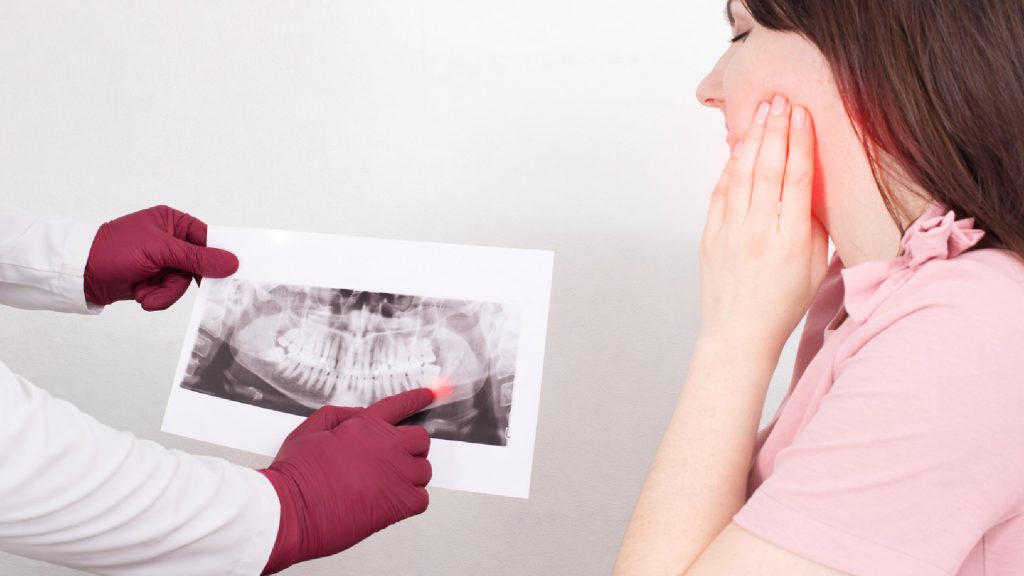
4. Monitoring Wisdom Teeth and Jaw Alignment
Wisdom teeth often grow in awkward positions. They may remain trapped under the gums or push against nearby teeth. This can cause pain and crowding. These rays allow your dentist to see the exact position of your wisdom teeth and evaluate your jaw alignment. Early monitoring helps prevent future discomfort and complications.
How Digital Dental X-Rays in Dubai Improve Diagnosis and Treatment
Today, many clinics in Dubai use digital dental X-rays to improve accuracy and speed. These advanced systems provide instant images on a screen, making it easier for you to understand your dental condition clearly and without confusion.
The process is quick, simple, and comfortable for you. Clear, detailed images help your dentist explain exactly what is happening inside your mouth and discuss suitable treatment options with confidence. Because the results appear immediately, decisions about your dental care can be made during the same appointment, saving you time and reducing unnecessary follow-up visits.
Why Regular Dental Imaging Is Essential for Ongoing Oral Health
Dental imaging is not limited to detecting new concerns; it also plays an important role in reviewing treatments you have already received. If you have fillings, crowns, bridges, or implants, periodic imaging helps confirm that everything is functioning the way it should. This consistent follow-up allows you to protect your investment in dental care and maintain strong, healthy results for years to come.
Regular imaging also gives you reassurance. Instead of wondering whether something is wrong beneath the surface, you receive clear confirmation about the stability of your teeth and supporting structures.
When Do You Need a Panoramic Dental X-Ray?
There are situations where a close-up image of just one or two teeth is not enough. In such cases, your dentist may recommend a panoramic dental x ray Dubai to gain a wider perspective of your entire mouth. This type of imaging captures all your teeth, jawbones, and surrounding structures in one comprehensive view.
With a broader image available, your dentist can carefully assess spacing, positioning, and overall structure before suggesting a treatment plan. This detailed overview supports safer planning and ensures that every step taken is based on a complete understanding of your oral condition.
Protect Your Smile with Preventive Dental X-Rays
When it comes to your oral health, waiting for pain is never a good strategy. Dental X-Rays in Dubai allow you to act before a small concern becomes a major problem. By including regular imaging in your dental visits, protect your natural teeth, reduce the risk of emergencies, and maintain a confident smile. Early awareness leads to smarter decisions about your health.
Why Choose Amara Aesthetic Studio?
Visiting a dental clinic for X-ray in Dubai ensures that your dental assessment is thorough. At Amara Aesthetic Studio, your comfort, safety, and satisfaction come first. The clinic combines modern diagnostic tools with a patient-focused approach to ensure accurate assessments and personalized treatment plans. Every visit is designed to make you feel informed about your dental health. With advanced imaging technology and experienced professionals, we ensure a healthy and beautiful smile in a welcoming and professional environment.
Frequently Asked Questions – Dental X-Rays in Dubai
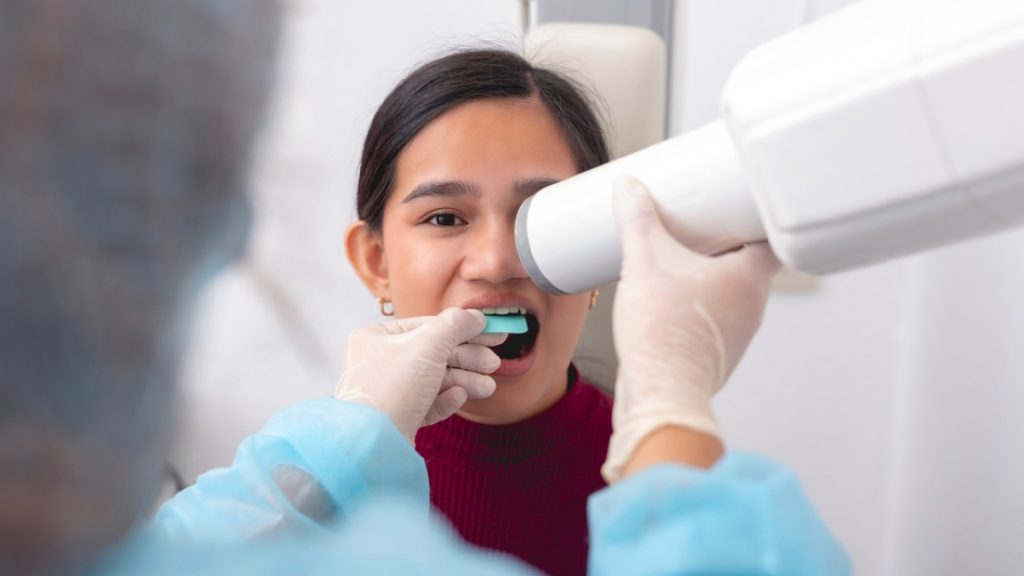
1. Do dental X-rays hurt?
No, dental X-rays are quick and painless. You may hold a small device in your mouth briefly, but the process is comfortable. Most patients complete the procedure within minutes without any discomfort.
2. Are dental X-rays safe for children?
Yes, when recommended by a dentist. The radiation levels are minimal and carefully controlled. X-rays help monitor tooth development and detect early issues in growing children.
3. How long does a dental X-ray take?
A dental X-ray usually takes just a few minutes. Digital systems provide instant results, allowing your dentist to review and explain the images during the same appointment.
4. How often are dental X-rays necessary?
The frequency depends on your dental health and history. Some patients need annual imaging, while others may need it less frequently. Your dentist will recommend what is best for you.
5. Are Dental X-Rays Safe for You?
Safety is a common concern. Dental X-Rays in Dubai are performed using controlled and minimal exposure levels. Clinics follow strict safety standards to protect you during the process.
Glowing skin has become the ultimate beauty statement, especially in a city like Dubai, where flawless, radiant complexions are always in style. If you’ve been searching for a treatment that delivers instant brightness without any downtime, you’ve probably heard about the Hollywood peel in Dubai.
Also known as a carbon laser facial, this treatment has earned its celebrity reputation for a reason. It’s quick, effective, and gives your skin that smooth, lit-from-within glow that looks incredible both in real life and on camera.
But what exactly is it? And is it worth hype?
Let’s break it down properly.
What Is a Hollywood Peel?
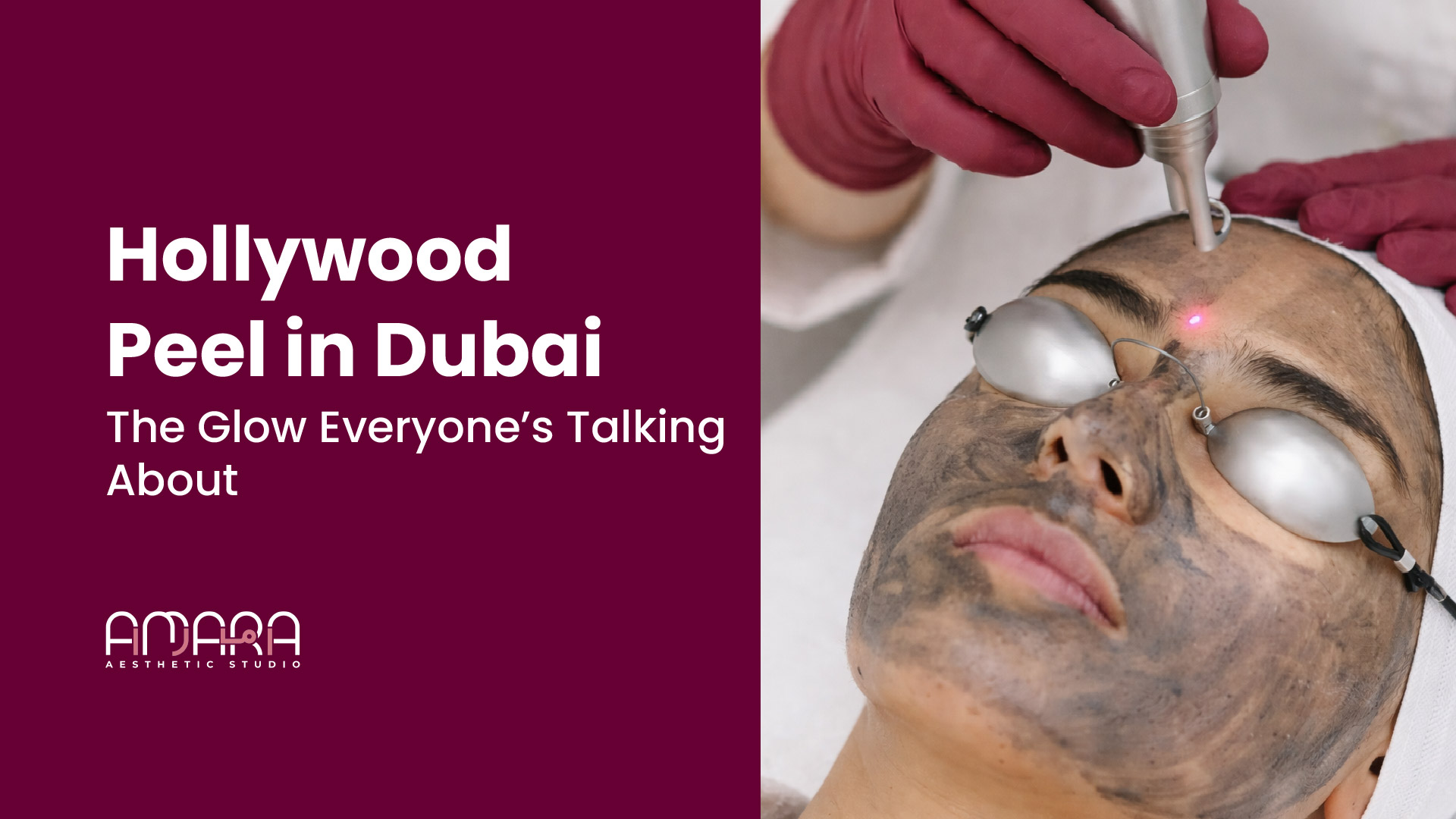
A Hollywood facial treatment is a non-invasive laser procedure designed to deeply cleanse, exfoliate, and brighten the skin using medical-grade carbon and laser technology.
Here’s how it works in simple terms:
A thin layer of liquid carbon is applied to your skin. This carbon penetrates deep into your pores and binds with oil, dirt, and dead skin cells. Then, a specialized laser is passed over the skin. The laser targets the carbon particles, gently heating and vaporizing them, along with the impurities attached to them.
The result? Cleaner pores, smoother texture, and noticeably brighter skin.
Unlike harsh peels that cause heavy peeling or downtime, this carbon laser facial refreshes your skin without disrupting your routine.
Why Carbon Laser Peel in Dubai Has Gained Popularity?
Dubai’s climate plays a big role in skin concerns. Heat, humidity, sun exposure, and pollution can lead to:
Excess oil production
Enlarged pores
Pigmentation
Uneven skin tone
Frequent breakouts
A laser facial for glowing skin like the Hollywood Peel addresses many of these issues in one session. It’s especially popular before weddings, corporate events, photoshoots, or vacations because it delivers a visible glow almost immediately.
Key Benefits of a Carbon Laser Facial
1. Deep Pore Cleansing: Carbon acts like a magnet for oil and debris. When the laser removes it, your pores feel cleaner and look tighter.
2. Brighter Skin Tone: The treatment very gently exfoliates the top layer of dull skin, revealing a fresher and dewy complexion.
3. Reduced Oil & Breakouts: If you struggle with oily or acne-prone skin, this treatment can help regulate sebum production over time.
4. Improved Texture: Skin feels smoother because dead cells are removed, and collagen stimulation begins.
5. Mild Pigmentation Correction: As a skin brightening laser treatment, it can gradually improve uneven tone and mild pigmentation.
6. No Downtime: You can literally do this during your lunch break and return to work right after.
What to Expect During the Treatment
First, your skin is cleaned thoroughly. The carbon lotion is then applied and left to settle for a few minutes. Once ready, the laser is passed over your skin in controlled movements. You may hear light snapping sounds and feel mild warmth, but it’s generally comfortable.
After the laser carbon peel, soothing serum and sunscreen are applied. The whole session typically takes about 20-30 minutes.
There’s no intense peeling, no needles, and no dramatic recovery period involved in this carbon peel treatment.
What to Expect After a Carbon Laser Facial
This is one of the most common questions and the answer is reassuring.
Immediately after the treatment, your skin may look slightly pink, similar to mild sun exposure. This usually settles within a few hours.
Over the next few days, you’ll notice:
A brighter, more even tone
Reduced oiliness
Smoother texture
A subtle glow
You won’t experience heavy peeling like traditional chemical peels. Instead, your skin simply looks refreshed and clearer.
It’s important to:
Wear sunscreen daily
Avoid harsh exfoliants for a few days
Keep skin hydrated
Most people feel confident going out the same day; which is why it’s often called a “red carpet facial.”
How Many Sessions Do You Really Need?
One session can give you an instant glow. However, if your goal is long-term improvement in pigmentation, acne control, or texture refinement, a series of treatments is usually recommended.
For general maintenance, many clients choose a session every 3–4 weeks.
If you’re specifically targeting pigmentation laser treatment goals, your practitioner may suggest combining the Hollywood Peel with other advanced treatments for deeper correction.
The right plan always depends on your skin type, concerns, and desired results.
Who Is the Ideal Candidate?
The Hollywood Peel is suitable for:
Oily or combination skin
Enlarged pores
Dull complexion
Mild pigmentation
Acne-prone skin
Event-ready glow seekers
It works well on most skin tones when performed by trained professionals. However, if you have active infections, severe acne cysts, or certain medical conditions, a consultation is necessary before proceeding.
Why Choose Amara for Hollywood Peel in Dubai?
Choosing where you get your treatment matters just as much as the treatment itself.
At Amara, the focus isn’t just on performing a procedure; it’s on understanding your skin first. Every Hollywood peel in Dubai at Amara begins with a detailed consultation to assess your concerns, lifestyle, and long-term goals. We ensure that your carbon laser facial is tailored to you, not just a standard protocol.
The clinic combines advanced laser technology with a refined, comfortable setting. Treatments are performed by skilled professionals who prioritize safety, precision, and natural-looking results.
Frequently Asked Questions – Hollywood Peel
1. Is the Hollywood Peel painful?
Most people describe the sensation as mild warmth with tiny snapping feelings. It’s very tolerable and doesn’t require numbing cream. The procedure is quick and comfortable compared to many other laser treatments.
2. How long do results last?
The glow can last several weeks, depending on your skincare routine and lifestyle. Regular sessions help maintain brightness, pore clarity, and oil balance over time.
3. Can it treat pigmentation effectively?
Yes, it helps with mild pigmentation and uneven tone. For deeper pigmentation concerns, it may be combined with other pigmentation laser treatment options for enhanced results.
4. Is there any downtime?
There is minimal to no downtime. Mild redness can occur immediately after treatment but usually subsides within hours, allowing you to resume daily activities right away.
5. Is it safe for sensitive skin?
When performed by experts using proper laser settings, it is generally safe for sensitive skin. A prior consultation ensures the treatment is adjusted to your skin’s tolerance.
6. Can men get a carbon laser facial?
Yes, many men choose this treatment to reduce oiliness, minimize pores, and achieve smoother skin without invasive procedures or lengthy recovery periods.
The aesthetic field is evolving beyond treatments that simply fill lines or tighten the surface of the skin. Today’s advanced procedures are designed to repair, strengthen, and restore skin from within. This approach, known as regenerative aesthetics, is rooted in science and focuses on rebuilding healthier skin at a cellular level rather than delivering short-term cosmetic correction. Instead of masking visible concerns, it works to improve how the skin functions and renews itself over time.
If you are considering a regenerative aesthetics treatment in Dubai, you have likely come across Salmon DNA therapy and Exosome therapy. Both are innovative options, yet they serve different purposes depending on your skin’s needs. These treatments stimulate natural repair processes, support collagen production, and enhance cellular communication. Let’s take a closer look at both options to determine which treatment aligns best with your skin type and concerns.
Salmon DNA Therapy: Best for Deep Hydration and Skin Repair
Salmon DNA therapy, often referred to as PN (polynucleotide) therapy, uses purified DNA fragments derived from salmon. These fragments are highly compatible with human skin and are known for their restorative properties.
How does it work?
When injected into the skin, polynucleotides help repair damaged cells, improve hydration levels, and stimulate fibroblasts, the cells responsible for collagen production. This makes it a powerful form of collagen regeneration therapy that improves overall skin health rather than simply altering facial contours.
What It Improves
Fine lines and early wrinkles
Dull or dehydrated skin
Acne scars
Uneven texture
Under-eye crepiness
The treatment enhances elasticity and strengthens the skin barrier, making it a reliable bio regenerative skin treatment for individuals seeking subtle yet meaningful improvement.
Results Timeline
Improvements appear gradually over several weeks. Most patients require a series of sessions spaced a few weeks apart to achieve optimal results. The outcome is smoother, healthier-looking skin with improved resilience.
Exosome Therapy: Advanced Cellular Communication
Exosomes represent a more recent development in regenerative medicine. They are microscopic extracellular vesicles that carry growth factors, peptides, and genetic signals between cells.
How It Works
Exosomes act as messengers. Once applied or injected into the skin, they signal surrounding cells to repair, regenerate, and produce more collagen. Instead of supplying material directly, they stimulate your own cells to work more efficiently.
This makes exosomes a sophisticated regenerative anti-aging treatment, particularly for patients looking to address inflammation, pigmentation, and more advanced signs of ageing.
What It Improves
Skin laxity
Sun damage
Pigmentation irregularities
Post-procedure healing
Overall skin vitality
Due to their strong signaling capability, exosomes are often used after microneedling or laser procedures to enhance recovery and boost outcomes.
Key Differences Between Salmon DNA and Exosomes
Although both treatments fall under skin regeneration treatment Dubai clinics now offer, their mechanisms differ significantly.
Feature
Salmon DNA
Exosomes
Primary Action
Repairs and hydrates cells
Signals cells to regenerate
Best For
Texture, hydration, fine lines
Laxity, pigmentation, inflammation
Collagen Stimulation
Direct fibroblast activation
Indirect via cellular signaling
Downtime
Minimal
Minimal
Treatment Plan
Series recommended
Often combined with procedures
In simple terms, Salmon DNA provides building support for damaged skin, while Exosomes enhance communication between cells for accelerated repair.
Which Treatment Is Right for You?
The choice depends on your skin concern, age, and long-term goals.
If your skin feels thin, dehydrated, or textured, Salmon DNA may be more suitable.
If your concerns include visible laxity, sun damage, or post-inflammatory pigmentation, Exosomes could offer broader regenerative support.
In many cases, these therapies are not competitors but complements. A customized plan may include both at different stages to maximize outcomes.
The Role of Collagen in Regenerative Treatments
Collagen decline begins in the mid-20s and increases with age. Environmental stress, UV exposure, and lifestyle factors further reduce natural production.
Both Salmon DNA and Exosome therapy support collagen regeneration therapy, though through different pathways. Strengthening collagen improves firmness, elasticity, and structural support, which are essential for youthful skin.
Unlike traditional treatments that focus on surface-level correction, regenerative therapies improve the skin’s foundation.
What Results Can You Expect?
Regenerative treatments do not deliver overnight transformation. Instead, they offer progressive refinement.
You may notice:
Improved hydration and glow
Better skin elasticity
Reduction in fine lines
Smoother texture
Enhanced overall skin resilience
The results appear natural because they develop gradually. The goal is healthier skin, not altered facial identity.
Why Regenerative Aesthetics Is Gaining Popularity in Dubai
Dubai’s aesthetic patients are increasingly seeking treatments that maintain natural appearance rather than dramatically change facial features. Regenerative procedures align with this philosophy by prioritizing skin quality over artificial enhancement.
As demand grows for advanced skin regeneration treatment, Dubai clinics now provide; the focus continues to shift toward science-backed, minimally invasive solutions.
Why Choose Amara Aesthetic Studio for Regenerative Treatments?
At Amara Aesthetic Studio, regenerative therapies are selected with clinical precision rather than trends. Every protocol is designed after analyzing skin density, hydration levels, collagen status, and individual goals.
The clinic emphasizes medically guided procedures, patient education, and realistic expectations. Instead of over-treatment, the focus remains on gradual improvement and long-term skin health. Patients appreciate the balanced approach – visible refinement without compromising natural features.
1. How many sessions are required for regenerative treatments?
Most regenerative treatments require a series of 4-6 sessions spaced several weeks apart. The exact number depends on skin condition, age, and treatment type.
2. Are Salmon DNA and Exosomes suitable for all skin types?
Both treatments are generally safe for most skin types. A professional consultation determines suitability, especially for sensitive or reactive skin.
3. Is there a downtime after these procedures?
Downtime is minimal. Mild redness or swelling may appear immediately after injections or microneedling but typically subsides within 24–48 hours.
4. When will I see visible improvements?
Initial glow and hydration may appear within weeks, while collagen-related improvements develop gradually over 4–8 weeks as the skin undergoes natural regenerative processes.
5. Can regenerative treatments replace fillers or Botox?
Regenerative therapies improve skin quality and collagen levels but do not replace volume restoration or muscle-relaxing treatments entirely. They can, however, complement injectables for more comprehensive anti-ageing outcomes.
6. Are results long-lasting?
The results are long-lasting but not permanent. With proper skincare and maintenance sessions, improvements in elasticity and texture can be sustained for several month.
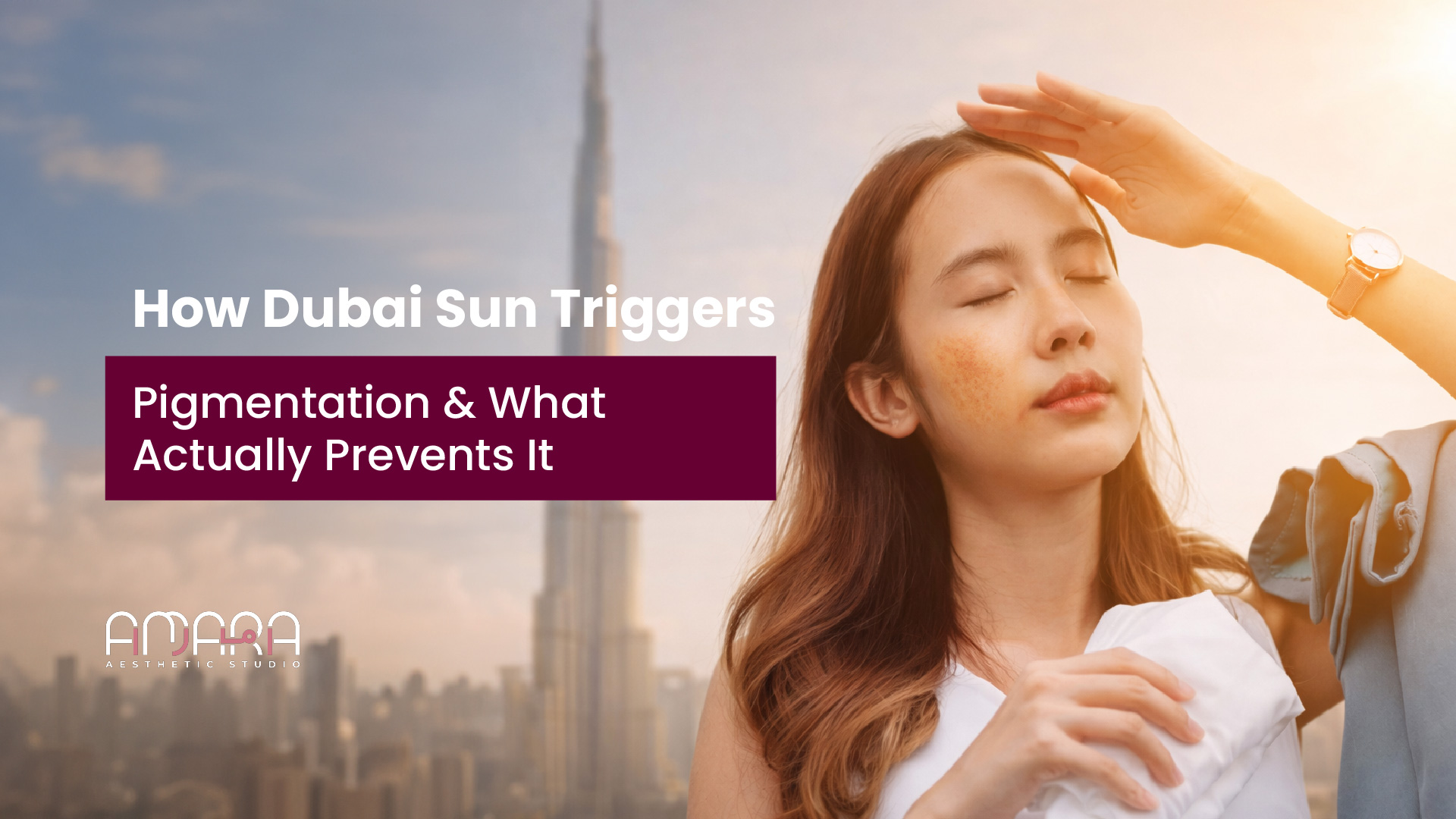
Warm, sunny weather is one of the defining features of life across the Gulf region. While the bright climate can look beautiful, the constant exposure to strong sunlight and high temperatures can create ongoing challenges for the skin. Even short daily activities outdoors can gradually lead to dark spots, uneven skin tone, and melasma. Many people notice that pigmentation continues to appear or worsen despite using regular skincare products.
In this guide, we explain what causes skin pigmentation, how the Gulf region’s climate can influence skin changes, the available options for pigmentation treatment, and practical steps that can help reduce the risk of future discolouration.
Why Is Pigmentation Common in the Gulf Region?
The climate across Gulf countries can contribute to the development of stubborn pigmentation and uneven skin tone. Even individuals who spend limited time outdoors may gradually notice changes in their skin. Several environmental and lifestyle factors can influence this process.
High UV Exposure Throughout the Year
Countries in the Gulf experience strong ultraviolet (UV) radiation for most months of the year. This means the skin is regularly exposed to both UVA and UVB rays during everyday activities.
UVA rays penetrate deeper layers of the skin and can contribute to premature ageing and pigmentation.
UVB rays affect the surface of the skin and stimulate melanin production, which can lead to tanning and dark spots.
Repeated exposure over time may lead to sunspots, uneven tone, and conditions such as melasma.
Heat and Infrared Radiation
Beyond UV rays, high environmental temperatures can also affect the skin. Heat can increase inflammation within the skin, which may stimulate melanocytes, the cells responsible for producing pigment.
Infrared radiation from sunlight can penetrate deeper layers of the skin as well. This may contribute to increased melanin activity, which is one reason pigmentation concerns often become more noticeable during warmer months.
Daily Outdoor Exposure
Many daily routines naturally involve some level of sun exposure, including:
Walking between buildings or parking areas
Driving during daylight hours
Spending time in outdoor seating areas
Recreational activities near pools or open-air environments
Even short periods outdoors can contribute to cumulative UV exposure over time.
Sweat and Sunscreen Effectiveness
High temperatures and humidity can cause sweating, which may reduce how long sunscreen remains effective on the skin. If sunscreen is not reapplied regularly, the skin may remain partially unprotected during the day. This repeated exposure can gradually contribute to the development of pigmentation.
Hormonal Influences Combined with Sun Exposure
Certain pigmentation conditions, particularly melasma, are often associated with hormonal changes. Factors such as pregnancy, stress, or hormonal medications can increase the skin’s sensitivity to sunlight.
When these internal factors combine with strong environmental UV exposure, pigmentation may develop more quickly or become more difficult to manage.
Skin Sensitivity After Cosmetic Treatments
Some cosmetic procedures, including chemical peels, laser treatments, and exfoliation, can temporarily make the skin more sensitive to sunlight. During this period, careful sun protection is important to prevent pigmentation from reappearing or becoming more visible.
In the Gulf region, pigmentation is rarely caused by a single factor. Instead, it usually develops due to a combination of strong UV exposure, high temperatures, daily outdoor routines, and individual biological triggers. Because of this, prevention and consistent sun protection are essential alongside professional treatment options.
What Happens to Your Skin Under UV Exposure?
When skin is exposed to ultraviolet (UV) rays:
Melanocytes produce excess melanin
Pigment clusters form
Dark patches appear over time
This results in:
Sun-induced pigmentation
Freckles and age spots
Dark spots from sun exposure
Worsening melasma
Without proper treatment for sun damage in Dubai, these spots can become deeper and harder to treat.
Types of Pigmentation Caused by Sun Exposure
Not all dark spots are the same. Sun exposure can trigger different types of pigmentation, and each requires a slightly different treatment approach.
Sunspots (Solar Lentigines)
Also known as age spots or liver spots, solar lentigines are flat, well-defined brown patches that develop after years of UV exposure.
Why do they form? Prolonged sun exposure causes localised overproduction of melanin in specific areas.
Common areas:
Face
Hands
Shoulders
Upper chest
These spots usually require targeted treatment for sunspots, such as laser therapy, chemical peels, or medical-grade brightening treatments, as topical creams alone often give limited results.
Melasma
Melasma appears as symmetrical brown or greyish patches, most commonly on the cheeks, forehead, upper lip, and jawline.
Why do they form?
Hormonal changes
Heat exposure
Strong UV radiation
In sunny climates like Dubai, melasma can worsen quickly. Heat alone, even without direct sunlight, can trigger flare-ups. That’s why many residents actively seek reliable melasma treatment options in Dubai that combine sun protection with medical therapies.
Melasma is often deeper and more stubborn than regular sunspots, requiring a structured treatment plan.
Post-Inflammatory Hyperpigmentation (PIH)
Post-inflammatory hyperpigmentation develops after skin inflammation, most commonly acne.
Why sun make it worse? When inflamed skin is exposed to UV rays, melanocytes become overactive, darkening acne scars even further.
Common triggers:
Acne breakouts
Skin irritation
Aggressive treatments
Picking at pimples
PIH often requires advanced hyperpigmentation treatment, especially when sun exposure has deepened the discolouration.
Why Proper Diagnosis Matters?
Although these conditions may look similar, they behave differently beneath the skin. Treating melasma like a simple sunspot or ignoring PIH while focusing only on surface pigmentation can delay results.
Understanding the exact type of pigmentation is the first step toward choosing the right treatment and preventing it from returning.
Skin Pigmentation Causes: It’s Not Just the Sun
While UV rays are the primary trigger, other contributing factors include:
Hormonal changes
Pregnancy
Certain medications
Genetics
Inadequate sunscreen protection
Understanding the causes of skin pigmentation helps in selecting the right treatment approach.
What Actually Prevents Sun-Induced Pigmentation?
Preventing pigmentation in a high-UV climate like Dubai requires a layered strategy, not just a quick swipe of sunscreen in the morning. True prevention combines protection, repair, and professional care.
Medical-Grade Sunscreen
Using SPF 50+ with broad-spectrum protection (UVA + UVB) is non-negotiable.
Why it matters:
UVA rays trigger deep pigmentation and melasma
UVB rays stimulate melanin production
Consistent exposure causes pigment to settle deeper over time
What actually works:
SPF 50+
PA+ or high UVA rating
Reapplication every 2–3 hours
Tinted sunscreen (helps block visible light, which worsens melasma)
In Dubai’s climate, lightweight but high-protection formulas are essential to ensure you wear (and reapply) them.
Antioxidant Skincare
Sunscreen protects, but antioxidants repair and defend.
Vitamin C serums help:
Neutralise free radicals caused by UV exposure
Reduce oxidative stress
Brightening early pigmentation
Prevent uneven skin tone
Pairing Vitamin C with sunscreen creates a stronger defence shield against sun-induced pigmentation.
Other helpful antioxidants include:
Vitamin E
Ferulic acid
Niacinamide
Together, they reduce inflammation and slow down melanin overproduction.
Heat Protection
Heat itself can trigger melasma, even without direct sunlight.
Practical prevention tips:
Wear wide-brim hats
Use umbrellas in peak heat
Avoid direct sun between 11 AM to 4 PM
Stay in shaded areas when possible
Reducing heat exposure lowers inflammation, which helps control pigment flare-ups.
Professional Treatments
If pigmentation has already started, early professional care prevents it from becoming deeper and more resistant.
Professional sun damage treatment in Dubai may include:
Medical-grade peels
Laser treatments
Prescription depigmenting creams
Chemical exfoliation under supervision
Treating pigmentation early stops melanin from settling deeper into the dermis, where it becomes harder to fade.
Consistency Over Quick Fixes
The biggest mistake? Treating pigmentation only after it appears.
True prevention requires:
Daily protection
Long-term skincare discipline
Regular skin assessments
Maintenance treatments when needed
Preventing sun-induced pigmentation isn’t one product; it’s a complete skin protection strategy. In a sun-intense city like Dubai, consistent protection, antioxidant support, and timely professional care are what truly keep dark spots from forming or returning.
Best Pigmentation Treatment in Dubai
If prevention hasn’t worked, professional intervention is the most effective solution.
Advanced Hyperpigmentation Treatment Options:
Q switch therapy
Chemical peels
Morpheus pro (Microneedling RF)
Dermapen
Medical facials
Customised skin brightening protocols
Each hyperpigmentation treatment plan should be customised based on:
Depth of pigmentation
Skin type
Lifestyle
Underlying causes
For stubborn cases, specialised melasma treatment in Dubai is required, as melasma tends to recur without maintenance.
Treatment for Sunspots: What Works Best?
The most effective treatment for sunspots typically includes:
Q-switched laser
Fractional laser
Medical peels
Combination therapy
These treatments target pigment at different depths within the skin while stimulating collagen regeneration.
UV Damage Skin Treatment: Why Early Action Matters
Delaying treatment can cause pigmentation to settle more deeply in the dermis, making it resistant to topical products.
Professional UV damage skin treatment not only improves skin tone but also:
We don’t just treat existing pigmentation; we help prevent recurrence by addressing the root causes of skin pigmentation and strengthening your skin barrier.
Whether you’re struggling with dark spots from sun exposure, seeking effective sun damage treatment in Dubai, or need expert UV damage treatment for your skin, our specialists design a plan customised specifically for your skin.
Protect, Prevent & Restore your Skin with Amara!
Dubai’s sun is intense, and without proper protection, sun-induced pigmentation can quickly become a concern. Prolonged UV exposure often leads to dark spots, uneven skin tone, and stubborn hyperpigmentation.
The good news? With the right blend of sun protection, targeted skincare, and advanced professional treatments, you can maintain radiant, healthy-looking skin all year round.
Frequently Asked Questions – Pigmentation in Dubai
Q1. Why is sun-induced pigmentation so common in Dubai?
Dubai has a consistently high UV index throughout the year, exposing skin to strong UVA and UVB rays daily. This repeated exposure triggers excessive melanin production, leading to sun-induced pigmentation, dark spots, and uneven skin tone. Heat and infrared radiation further worsen conditions like melasma, increasing the need for professional pigmentation treatment in Dubai.
Q2. What is the best pigmentation treatment in Dubai for sun damage?
The best pigmentation treatment in Dubai depends on the type and depth of pigmentation. For sunspots and UV damage, treatments like Q-switched laser therapy, fractional lasers, and medical-grade chemical peels are highly effective. For deeper conditions such as melasma, customised melasma treatment in Dubai that combines laser therapy, prescription creams, and strict sun protection offers better long-term results.
Q3. Can sunscreen alone prevent hyperpigmentation?
Sunscreen is essential, but not enough on its own. While SPF 50+ broad-spectrum sunscreen helps prevent UV-induced pigmentation, combining it with antioxidants like Vitamin C and a professional UV-damage skin treatment when needed provides stronger protection. In Dubai’s climate, reapplication every 2–3 hours are crucial to prevent dark spots from sun exposure.
Q4. What causes skin pigmentation besides sun exposure?
Although UV rays are the main trigger, other factors that can cause skin pigmentation include hormonal changes, pregnancy, certain medications, genetics, acne (which can lead to post-inflammatory hyperpigmentation), and heat exposure. In Dubai, the combination of hormonal triggers and intense sun often makes hyperpigmentation treatment more complex and requires professional assessment.
Q5. How do I know if I need melasma treatment or treatment for sunspots?
Solar lentigines (sunspots) are usually well-defined brown patches caused by long-term UV exposure, while melasma appears larger; symmetrical patches often linked to hormones and heat. Proper diagnosis is important because melasma treatment in Dubai requires a more structured, long-term approach than standard treatment for sunspots. Consulting a dermatologist ensures you receive the appropriate treatment plan for hyperpigmentation.
To begin with, most of us don’t really think about body pigmentation until summer arrives, when sleeveless outfits, beach plans, and bright daylight suddenly make everything more noticeable. Dark underarms. Uneven elbows. Pigmented knees. Old acne marks that never quite faded. And then the panic search begins; how to lighten dark underarms, dark elbows treatment, best treatment for Pigmentation.
Here’s what most of you don’t realize: winter is actually the best time to start chemical peels for Pigmentation treatment. And there’s a very practical reason behind that. During winter, sun exposure is lower, which allows your skin to heal safely after the procedure and reduces the risk of further pigmentation.
Through this guide, let’s take a closer look at this.
When is the Right Time to Treat Pigmentation in Dubai?
In Dubai, sun exposure isn’t seasonal; it is constant. Even a bare minimum of daily exposure increases melanin production. That’s how your skin naturally defends itself from the harmful UV rays. But over time, it leaves behind stubborn discoloration especially in high-friction areas like underarms and elbows.
This is why many people struggle with recurring pigmentation even after trying creams or DIY remedies. If you choose pigmentation treatment in Dubai, it has proven to be quite effective as it addresses the deeper layers of pigment, not just what’s visible on the surface. And when it comes to treatments like chemical peel treatment, timing matters. So, hurry up and start your glow-up journey right away!
Why Winter Makes a Real Difference?
After a chemical peel for pigmentation, your skin becomes more sensitive to sunlight for a short period. That’s normal. The treatment works by gently removing the outer layer of damaged skin, allowing fresh, healthier skin to surface.
Less sun exposure during winter means:
Lower risk of rebound pigmentation
Safer healing
More predictable results
Better tolerance for structured sessions
When we say this, we are not just aligning with the trends but stating the biological facts. If you start in winter, by the time summer arrives, your skin has already gone through renewal cycles and stabilized.
What Chemical Peels for Pigmentation Treatment Actually Do?
Let’s try to make it easy for you to understand. So, what happens is that during chemical peels forpigmentation treatment, a carefully selected peeling solution is applied to the skin to gently remove the damaged outer layer. As fresh skin comes to the surface, excess pigmentation gradually starts to fade.
Over a series of sessions, you’ll notice:
Gradual lightening of dark patches
Smoother skin texture
Reduced thickness in pigmented areas like elbows
More even tone overall
And when done correctly, it works beautifully for body pigmentation treatment as well, not just the face.
Areas Where Clients See the Most Improvement
If we specifically talk about Amara, body-focused treatments are increasingly common. Pigmentation isn’t limited to facial skin. It covers:
1. Underarms
If you’re considering underarm pigmentation treatment in Dubai, peels can safely reduce discoloration caused by shaving, friction, or product buildup. Many clients searching for dark underarms treatment are surprised at how effective structured sessions can be.
2. Elbows
Elbow skin is thicker and often neglected. For those wondering how to lighten dark elbows, peels help reduce buildup and gradually brighten the area. It’s one of the most satisfying transformations over time.
3. Knees and Back
These areas respond well to consistent pigmentation removal treatment, especially when post-inflammatory marks are involved.
Are Chemical Peels the Best Treatment for Pigmentation?
There’s no single “best” solution for everyone. But for mild to moderate pigmentation, chemical peels are often considered one of the best treatments for Pigmentation options because they:
Are customizable
Require minimal downtime
Work gradually and safely
Can be repeated in cycles
Laser treatments may be recommended for deeper pigmentation, but peels are often the starting point; especially for body areas.
What the Chemical Peel Process Looks Like?
The process begins with a detailed consultation where your skin type, lifestyle, friction habits, and shaving routine are carefully assessed because every detail matters. Based on this evaluation, a customized peel is selected, as not every skin tone reacts the same way, especially in a city like Dubai where sun exposure remains high throughout the year.
During the session, you may experience mild tingling, but the procedure itself is quick and comfortable. In the days that follow, slight dryness or flaking can occur, which is completely normal. Results appear gradually, which is how safe and effective treatments should work. For most people, 3 to 6 sessions are recommended to see visible improvement, particularly for underarm whitening treatment or elbow skin lightening.
Why Pigmentation Keeps Coming Back?
We are sure that this question has crossed your mind more than once. To answer this, Pigmentation isn’t just about color. It’s often about friction, irritation, and inflammation.
Common triggers include:
Frequent shaving
Tight clothing
Harsh deodorants
Hormonal shifts
Sun exposure
Dead skin buildup
Without addressing these, even the most effective chemical peel treatment won’t deliver long-term results.
Aftercare: Where Most People Go Wrong
Results don’t just depend on the procedure. After-care also makes a huge difference. Following the below-mentioned aftercare guidelines, consistently protect your investment and prevent recurrence.
Post-treatment care usually includes:
Strict sunscreen use
Avoiding friction on treated areas
Gentle moisturization
Temporary pause on shaving
No harsh scrubbing
Pigmentation can feel frustrating because it’s stubborn. You try products. You exfoliate more. You switch deodorants. And nothing really changes. That’s because surface solutions rarely fix deeper discoloration. Starting chemical peels for pigmentation treatment in winter gives your skin the environment it needs to heal properly and respond gradually.
At Amara Aesthetic Studio in Dubai, treatments aren’t rushed or standardized. Every pigmentation treatment plan is built after assessing skin tone, its sensitivity, and more. Our goal isn’t aggressive peeling. We focus on steady visible improvement that looks natural.
Frequently Asked Questions – Chemical Peels
1. Are chemical peels safe for underarms?
Yes, when performed professionally. The peel strength is adjusted for sensitive areas. Mild tingling is normal, but downtime is minimal. Proper aftercare ensures safe healing.
2. How soon will I see visible lightening?
Texture improves quickly, but visible lightning usually takes 2–3 sessions. Pigmentation fades gradually, not overnight.
3. Can I do this treatment in the summer?
It’s possible, but winter is safer due to lower UV exposure. Summer treatments require very strict sun protection.
4. Is pigmentation likely to come back?
It can, especially with friction or sun exposure. Maintenance sessions and lifestyle changes help sustain results.
5. Is the pigmentation treatment painful?
Most clients describe it as mildly tingly, not painful. Discomfort is minimal and temporary.
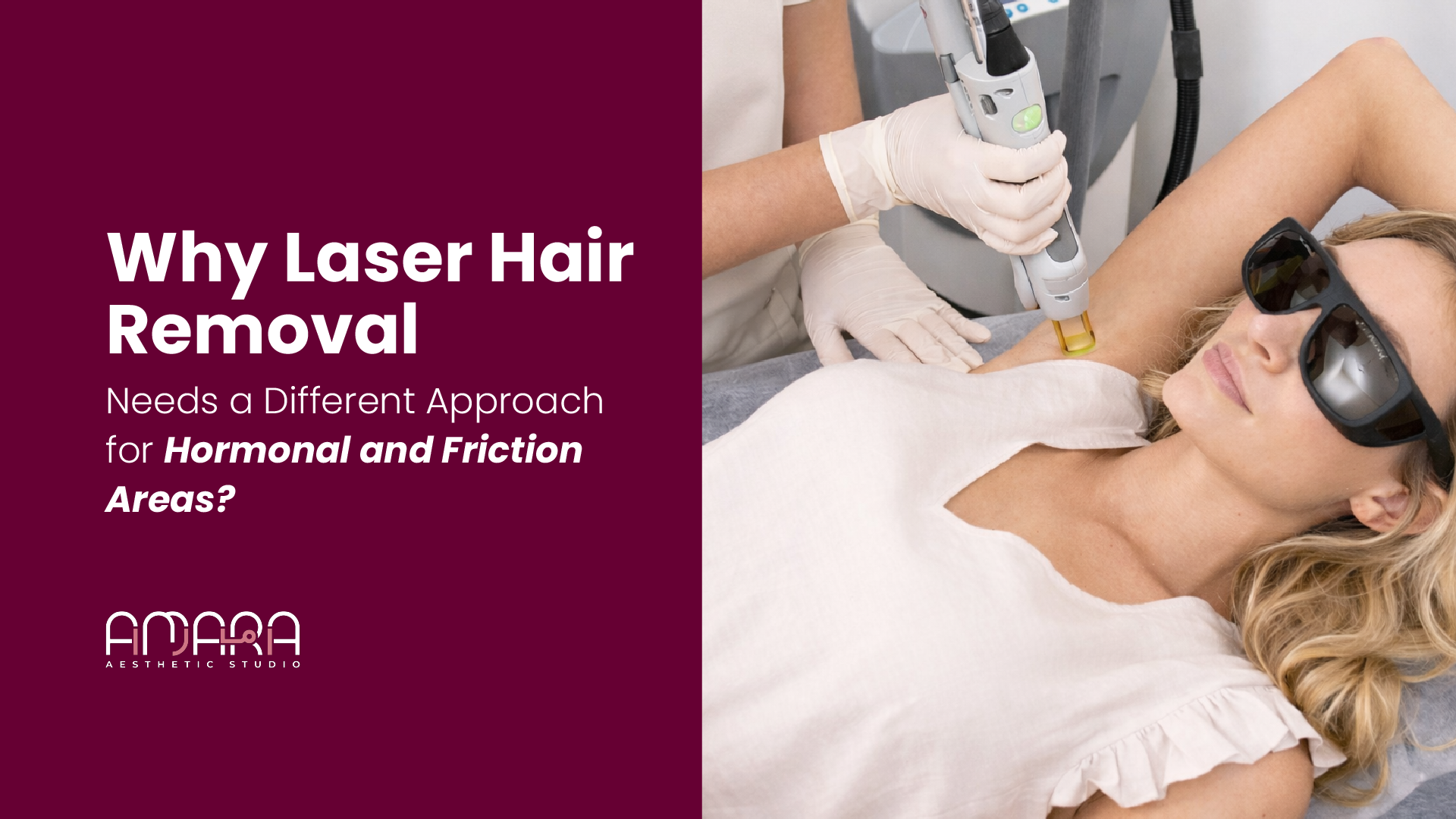
Laser hair removal in Dubai is extremely famous as one of the most reliable long-term solutions for unwanted, stubborn hair. But while many people experience great outcomes inthe areas like the arms or legs, hormonal and friction-prone zones such as face, bikini line, underarms, and inner thighs behave very differently and cannot be treated with a one-size-fits-all approach.
These zones are influenced by hormonal activity, repeated skin friction, higher sensitivity, and denser hair growth patterns. Treating them successfully requires not only advanced laser technology but also clinical judgment, customized settings, and realistic expectations.
Thinking of laser hair removal for stubborn hair? A professional consultation is essential to assess your skin, hair pattern, and suitability before starting treatment. This blog explains why these areas need extra care, how laser technology interacts with hormonal hair growth, and what truly ensures safe & effective results.
How Laser Hair Removal Actually Works?
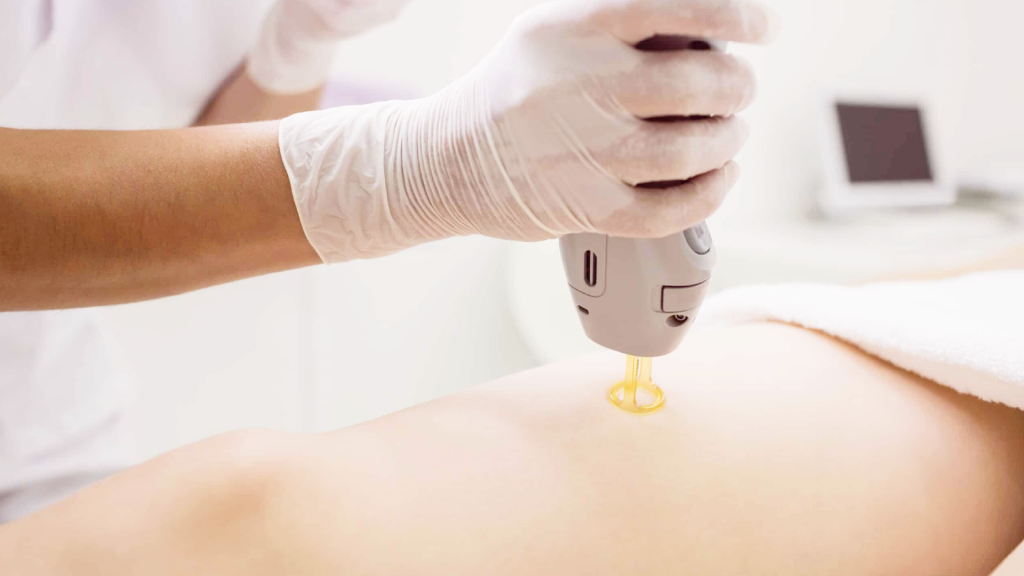
Laser hair removal in Dubai works by transferring concentrated light energy into the hair follicle. The pigment (melanin) in the hair absorbs this energy, which heats and softens the follicle enough to slow down or stop future hair growth.
However, laser treatment only affects hair that is in its active growth phase (anagen). Since not all hair grows simultaneously, multiple sessions are required to target follicles as they cycle into this phase. This biological limitation is why laser hair removal is a well-defined process rather than a one-time solution.
Results depend on several factors:
Hair colour and thickness
Skin tone
Growth cycle timing
Hormonal influence
Area being treated
These variables are specifically important in hormonal and friction-prone zones.
What Defines a Hormonal Hair Growth Area?
Hormonal areas are parts of the body where hair growth is strongly influenced by androgens (male-pattern hormones present in all genders). These include:
Upper lip and chin
Jawline and neck
Bikini line
Lower abdomen
Chest (in some individuals)
Area above the knees (from the back)
Around the elbows (up and down)
In these regions, hair follicles are more responsive to hormonal signals, which can trigger thicker, darker hair growth over time.
Why Hormonal Hair Is More Challenging?
Hormonal stimulation can cause:
Faster regrowth
Mixed hair textures (coarse and fine hair together)
Irregular growth cycles
Partial regrowth even after successful laser sessions
Laser hair removal for hormonal hair can significantly reduce hair density in these areas, but hormonal influence means maintenance sessions may be required, particularly if underlying conditions such as PCOS or thyroid imbalance are present.
Importantly, this does not mean laser “doesn’t work” on hormonal hair; it means expectations must be realistic and treatment must be consistent.
Understanding Friction-Prone Areas and Their Sensitivity
Friction-prone areas experience constant rubbing from clothing, skin folds, or movement. Common examples include:
Underarms
Inner thighs
Bikini and groin creases
Between skin folds
Area above the knees (from back)
Around the elbows (up & down)
These zones often have:
Thinner skin
Higher nerve density
Increased sweat glands
Greater risk of irritation or pigmentation
Repeated friction can already compromise the skin barrier, making careful laser settings and post-treatment care essential.
Why These Areas Require a Different Laser Strategy
Hormonal and friction zones cannot be treated aggressively without increasing the risk of side effects. Instead, a measured, customised approach is required.
Key considerations include:
Adjusted energy levels to protect sensitive skin
Longer intervals between sessions if irritation occurs
Cooling mechanisms to reduce discomfort
Careful monitoring of skin response after each session
Using overly high energy in these areas does not improve results; it increases the risk of burns, inflammation, and pigmentation issues.
Pain and Sensitivity: What to Expect
Sensitivity varies from person to person, but certain areas tend to feel more intense during laser treatment:
Upper lip and chin: thin skin and dense nerve endings
Bikini line: thick hair follicles combined with sensitivity
Underarms: moisture and friction increase sensation
Modern laser systems at Amara Aesthetic Studio use integrated cooling, contact chillers, or air cooling to minimise discomfort. In some cases, topical numbing cream may be recommended.
Whilelaser hair removal for facial hair or other friction areas is not completely pain-free, discomfort is usually brief and well-tolerated when performed correctly.
Preparation Before Stubborn Hair Laser Removal Treatment
Proper preparation improves results and reduces the likelihood of side effects.
Before your session:
Stop waxing or plucking for at least 3–4 weeks
Shave the area 24 hours prior to treatment
Avoid sun exposure or tanning
Do not apply active skincare products on the treatment area
Aftercare: Protecting Sensitive Skin
Post-treatment care is particularly important for hormonal and friction areas.
After your session:
Avoid heat, sweating, and friction for 24–48 hours
Wear loose, breathable clothing
Avoid fragranced products or deodorants temporarily
Use soothing, non-active skincare
Apply sun protection if the area is exposed
Mild redness or warmth is common and usually subsides within a few hours. Experts at Amara guide you with the personalized after-care guide as per your skin type.
How Many Sessions Are Usually Needed?
Most people require multiple sessions for significant hair reduction, spaced several weeks apart. Hormonal areas often fall on the higher end of this range. As compared to normal hair removal; more sessions are required but it is worth the wait those are extremely sick of stubborn hair at unwanted areas.
It’s important to understand:
Laser reduces hair growth progressively
Results build over time
Some regrowth may occur due to hormones
Maintenance sessions may be required annually or bi-annually
Hair that does regrow is typically finer, lighter, and easier to manage.
Laser hair removal for hormonal and friction-prone areas requires a customised, clinically guided approach. At Amara Aesthetic Studio, each treatment plan is tailored to individual skin type, hair pattern, hormonal influence, and area sensitivity. With advanced technology, experienced practitioners, and a strong focus on skin safety, we are a trusted choice for effective laser hair removal in delicate and hormonally influenced areas.
Frequently Asked Questions – Laser Hair Removalfor Harmonal Areas
1. Is laser hair removal in Dubai safe for sensitive or friction-prone areas?
When performed by trained professionals using appropriate technology, laser hair removal is safe for sensitive and friction-prone areas. Customised settings, proper cooling, and correct aftercare significantly helps.
2. Can laser hair removal at Amara cause pigmentation changes?
With us, pigmentation changes are uncommon as treatments are performed in a correct manner. Proper laser selection, conservative energy settings, sun avoidance, and diligent aftercare greatly reduce the risk of post-treatment darkening or uneven skin tone.
3. How many sessions are typically required?
Hormonal and friction-prone areas often require more sessions, depending on hair density, growth pattern, and underlying hormonal influences.
4. Is laser hair removal permanent?
Laser hair removal isn’t completely permanent, but it significantly reduces hair growth. Maintenance sessions are usually needed over time to manage regrowth and keep the area smooth.
5. Can people with PCOS undergo laser hair removal?
Yes, laser hair removal is commonly used for managing excess hair in individuals with PCOS. While it effectively reduces hair growth, ongoing hormonal activity may require regular maintenance sessions for sustained results.
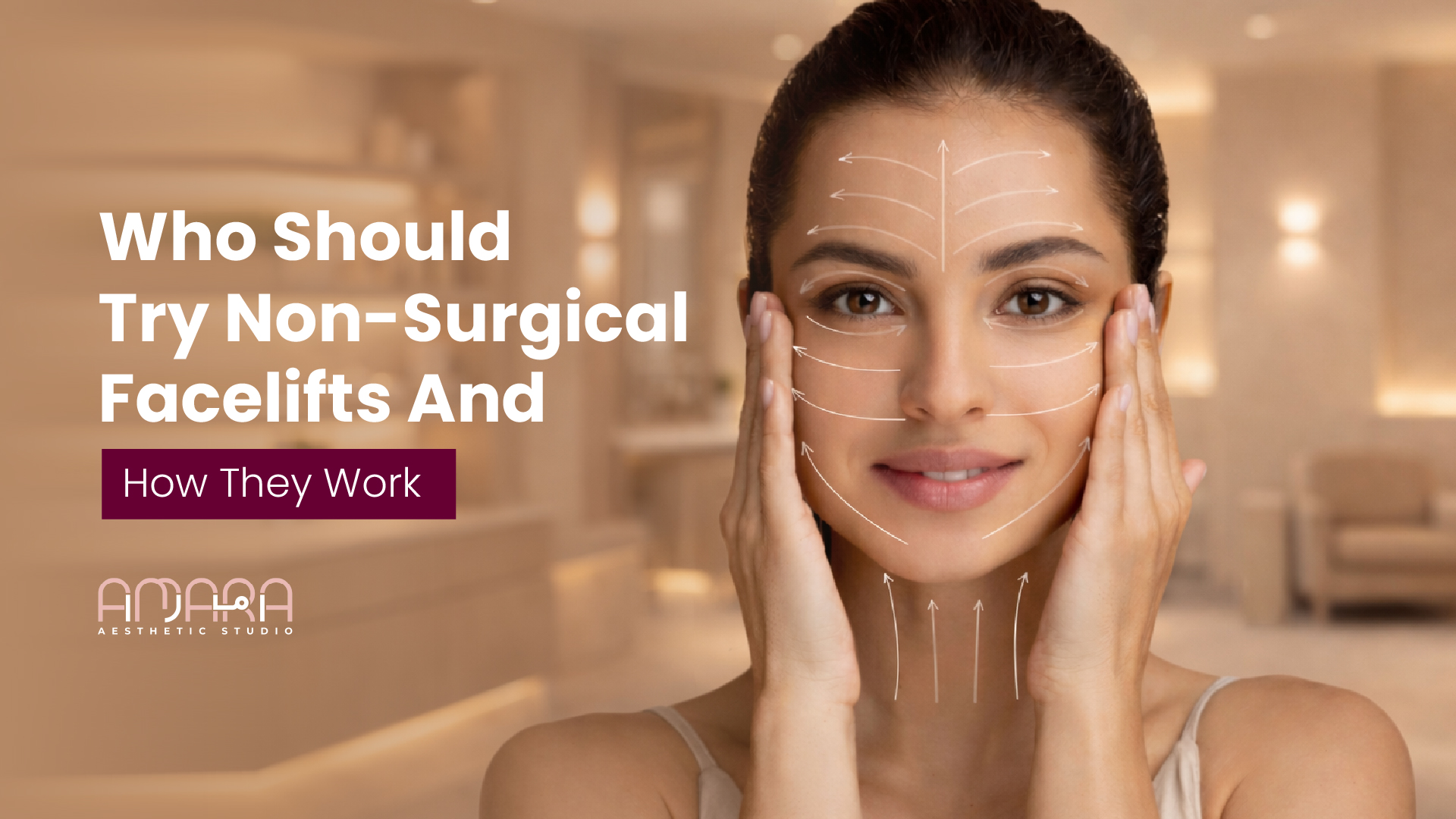
Facial ageing does not arrive overnight. It develops gradually, often in ways that are easy to notice but difficult to define. A face that once looked firm may begin to appear slightly tired. Skin loses its tightness; facial contours soften, and fine lines linger longer than they used to. For many people, these changes feel significant but not severe enough to consider surgery.
This is where non-surgical facelifts have found their place. They offer a middle ground between doing nothing and committing to invasive procedures. Designed to restore structure, firmness, and balance without incisions, non-surgical facelift is now a preferred option for patients who want visible improvement while keeping their appearance natural.
What a Non-Surgical Facelift Actually Involves?
Despite the name, a non-surgical facelift is not a single treatment, nor is it a shortcut version of surgery. It focuses on multiple ageing concerns at the same time, rather than treating individual areas separately.
For those looking for a non-surgical facelift explained in clear terms, the focus is on correcting the underlying causes of facial ageing; not masking them. These causes include collagen loss, volume depletion, weakening skin support, and repetitive muscle movement.
A non-surgical facelift may help:
Restore lost facial support and structure
Improve skin firmness and elasticity
Rebalance facial proportions affected by ageing
Smooth lines without restricting natural expressions
Rather than changing how a face looks, the goal is to help it look more like itself again; more rested, supported, and healthier.
How Non-Surgical Facelift Works Beneath the Skin?
Understanding how non-surgical facelift works requires looking beyond surface-level wrinkles. As we age, collagen production slows down, fat pads shrink or shift, and skin becomes weaker over time. These changes affect how light reflects the face and how features are perceived.
Non-surgical facelift treatments work by targeting these changes directly. Depending on individual needs, a treatment plan may include:
Dermal fillers to rebalance volume in areas such as the cheeks, jawline, or mid-face, helping re-establish youthful contours.
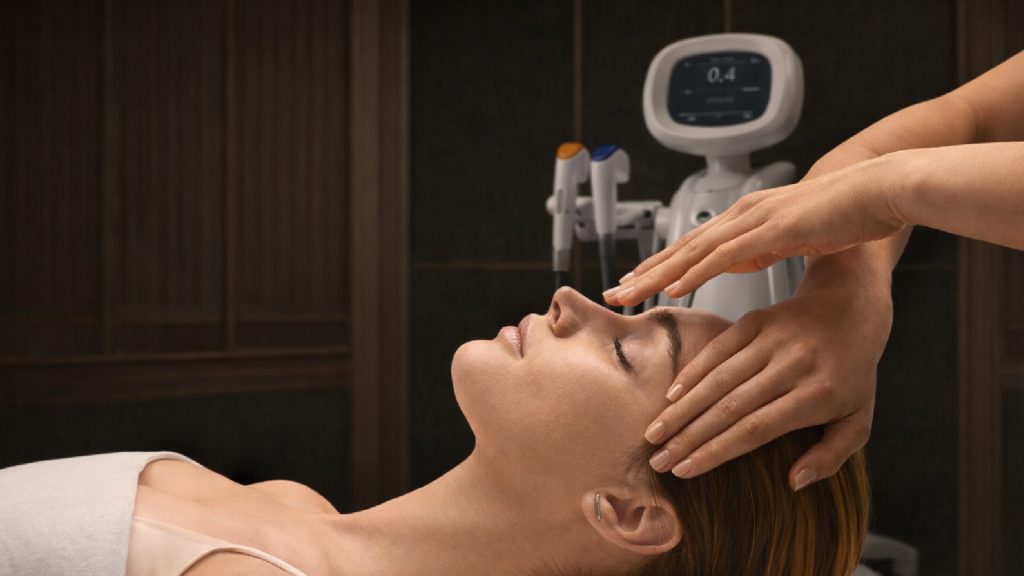
Skin tightening treatments, such as radiofrequency or ultrasound-based technologies, stimulate collagen and improve firmness over time.
Biostimulatory treatments that encourage the skin to rebuild its own support system gradually.
Anti-wrinkle injections to relax specific facial muscles responsible for expression lines.
What to Expect During the Non-Surgical Facelift Procedure
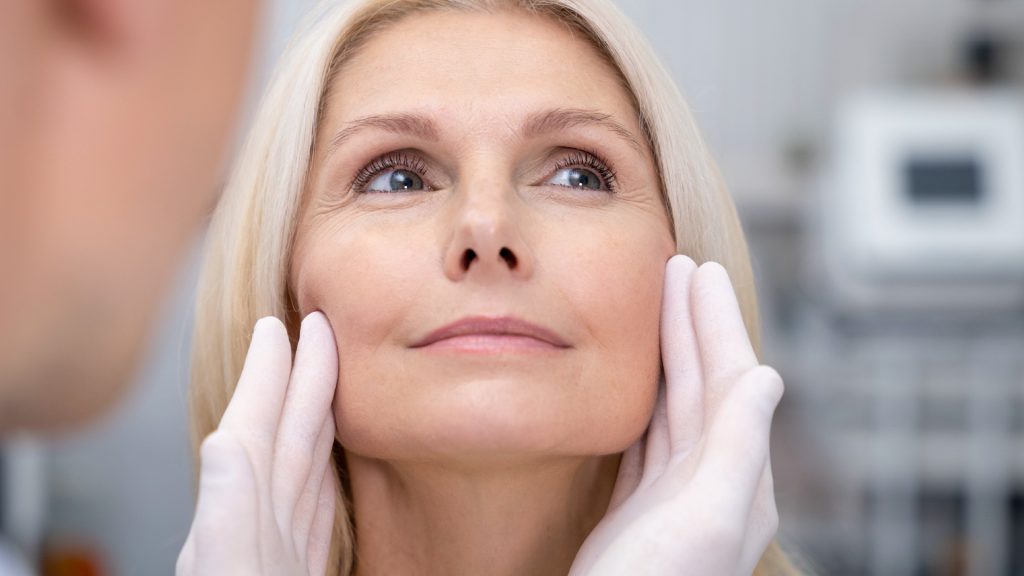
A non-surgical facelift procedure always begins with a thorough consultation. This step is critical and often overlooked. Facial ageing does not follow the same pattern for everyone, which is why a one-size-fits-all approach rarely delivers good results.
During the consultation, factors such as facial anatomy, skin thickness, lifestyle, and ageing patterns are assessed. Based on this, a personalized treatment plan is created.
The procedure itself is typically completed in one session lasting between 30 and 60 minutes. Since no surgery is involved:
No hospital stay is required
Downtime is minimal
Most patients resume daily activities quickly
Patients exploring non-surgical facial rejuvenation treatments often appreciate getting visible results without long recovering time.
Who are the Ideal Candidates for Non-Surgical Face Lifting Treatments
A non-surgical face lifting treatment is most effective when signs of ageing are still mild to moderate. It is not designed to replace surgery in advanced cases, but it can delay or reduce the need for it.
Ideal candidates typically include:
Individuals in their late 30s to mid-50s
Patients experiencing mild sagging or volume loss
Those with early Jowling or softened facial contours
People seeking subtle changes rather than dramatic change
It is also increasingly used as a preventive option to slow down visible ageing.
What Kind of Results Can You Realistically Expect?
Non-surgical facelift results depend on the combination of treatments used, the condition of the skin, and how the body responds. While some improvements are visible immediately, others develop gradually as collagen regeneration takes place.
Patients commonly notice:
Better facial definition and balance
Improved skin firmness and texture
Softer folds and lines
A refreshed & more rested appearance
The results are long-lasting but not permanent. Maintenance of treatments may be recommended to sustain outcomes.
Why Choosing the Reputable Clinic Matters?
Non-surgical facial rejuvenation requires more than technical skill. It requires judgement, restraint, and a deep understanding of facial anatomy.
For those researching the best non-surgical facelift UAE, the focus should be on:
Medical expertise and safety standards
Individualized treatment planning
Ethical and transparent recommendations
Natural-looking & balanced outcomes
Non-surgical facelift represents a thoughtful, modern approach to facial rejuvenation. They allow ageing concerns to be addressed early, safely, and without dramatic changes. When planned correctly, the results are subtle yet meaningful. At Amara Aesthetic Studio, every non-surgical facelift is carefully planned to suit the individual. The focus is always on natural-looking results that work with your facial structure and support healthy skin over time. For those exploring facial rejuvenation in the UAE, Amara Aesthetic Studio offers trusted, medically guided care.
Treatments are typically well tolerated, and numbing options are available where required. Any discomfort is temporary and manageable.
2. How long do non-surgical facelift results last?
Results generally last between six months and a year. Longevity depends on the treatments used, skin condition, lifestyle factors, and maintenance plans.
3. Is there a downtime after the treatment?
Downtime is minimal. Some patients may experience mild swelling, redness, or tenderness, and in some cases, small bruises could happen; which usually resolves within a few days.
4. Can a non-surgical facelift replace a surgical facelift?
It cannot replace surgery in advanced ageing cases. However, it can significantly delay the need for surgery and provide effective results for early to moderate concerns.
5. Are non-surgical facelifts safe?
When performed by trained medical professionals using approved products, non-surgical facelifts are considered safe and reliable.
HydraFacial Treatment is a popular treatment for anyone looking to restore radiance, smoothness, and hydration to their skin. Its multi-step process cleanses, exfoliates, extracts impurities, and infuses the skin with serums packed with antioxidants and hyaluronic acid. The immediate results; glowy, plump, and refreshed skin; are often impressive.
However, the real key to prolonging this glow lies in how you care for your skin afterward. Even though HydraFacial is gentle and non-invasive, your skin is temporarily more sensitive, and without proper post-treatment care, the benefits can fade quickly. By following the right steps as suggested by your practitioner, you can maintain hydration, minimize irritation, and extend the effects of your treatment for weeks.
What is the Importance of HydraFacial After-Care?
After HydraFacial treatment in Dubai, the top layers of your skin are renewed, which can make it slightly more fragile. If you don’t do proper post-treatment care; it may lead to:
Faster loss of hydration and radiance
Increased sensitivity or redness
Breakouts due to clogged pores
Reduced effectiveness of antioxidant and collagen-boosting serums
Right aftercare not only helps your skin recover but also allows the treatment’s full benefits to shine, keeping your skin smooth and glowy.
Essential Dos After HydraFacial Treatment in Dubai
1. Keep Your Skin Hydrated
Hydration is the cornerstone of post-HydraFacial care. Apply a gentle, non-comedogenic moisturizer immediately after your session. Products with hyaluronic acid help lock in moisture and strengthen your skin barrier.
Extra tip: Drinking plenty of water supports hydration from the inside, enhancing your skin’s glow.
2. Apply Sunscreen Consistently
Freshly treated skin is more vulnerable to sun damage. Apply a broad-spectrum SPF 30 or higher every morning. Mineral-based sunscreens containing zinc oxide or titanium dioxide are gentle and effective for sensitive, post-treatment skin.
3. Use Gentle, Soothing Skincare
Avoid harsh chemicals, fragrances, or strong actives like retinoids or glycolic acids for at least 3–5 days. Instead, focus on soothing, hydrating products with ingredients like niacinamide or aloe vera to calm redness and support healing.
4. Cleanse Carefully
Use a mild, pH-balanced cleanser with lukewarm water. Pat your face dry instead of rubbing to avoid irritation and maintain the skin’s natural barrier.
Things to Avoid After a HydraFacial Treatment
1. Excess Heat and Sweat
Skip hot showers, saunas, steam rooms, and intense workouts for the first 24–48 hours. Heat and sweat can irritate freshly treated skin and block pores.
2. Aggressive Exfoliation
Your skin has already been exfoliated during the treatment. Avoid scrubs, chemical peels, and retinoids for at least 5–7 days to prevent sensitivity and irritation.
3. Touching or Picking at Skin
Hands carry bacteria, and touching or picking at your face may lead to breakouts, redness, or even scarring.
4. Immediate Makeup
Allow your skin to breathe for at least 6 hours before applying makeup. This gives your skin time to absorb the treatment and stay fresh.
Recommended Post-HydraFacial Products
While your clinician may recommend specific brands, these categories generally help protect and prolong your results:
Moisturizers: Gentle, non-comedogenic creams
Sunscreen: Mineral-based SPF 30+ or 50+
Soothing Serums: Fragrance-free options with niacinamide or aloe vera
Cleanser: Mild, non-foaming cleansers
Hydrating Mists: Light sprays like rose water or thermal spring water
Extra Tips for Maintaining Your Glow Post HydraFacial
1. Balanced Diet: Nutrient-rich foods, antioxidants, and adequate water intake support skin health from the inside.
2. Avoid Smoking and Excess Alcohol: Both can dehydrate skin and shorten the longevity of your post-HydraFacial glow.
3. Regular Treatments: Monthly sessions help maintain smoothness, hydration, and radiance.
4. Gentle Handling: Pat your face dry with a soft towel, avoid scrubbing, and be careful with your skincare routine to protect the skin barrier.
5.Sleep and Stress Management: Adequate rest and stress reduction promote natural skin repair and collagen production.
HydraFacial for men and women both deliver instant radiance and smoothness, but the post-care routine determines how long the results last. By staying hydrated, using gentle products, protecting your skin from the sun, and avoiding harsh treatments or heat, you can enjoy a lasting, natural glow.
At Amara Aesthetic Studio, post-HydraFacial care is advised based on each patient’s individual skin needs to help maintain long-lasting hydration, glow, and skin strength despite Dubai’s harsh climate. For anyone looking for expert support in preserving healthy, radiant skin in these conditions, we offer professionally administered HydraFacial treatments along with customized aftercare plans.
Q1. How long does the glow from HydraFacial treatment last?
Typically, your skin remains radiant for 4–6 weeks. With proper post-treatment care and monthly sessions, the results can be maintained longer, keeping skin hydrated, smooth, and healthy.
Q2. When can I resume my normal skincare routine?
Avoid strong actives like retinoids, glycolic acids, or exfoliating scrubs for at least 3–5 days. Stick to gentle cleansers, moisturizers, and sunscreen during this period.
Q3. Is redness after the treatment normal?
Mild redness or tingling is common and usually disappears within a few hours. Using a soothing moisturizer or serum can help calm the skin.
Q4. Are there any lifestyle adjustments I should follow?
Yes. Avoid hot showers, saunas, intense workouts, and sun exposure for the first 24–48 hours. Keep skin hydrated, protected from environmental stress, and follow gentle skincare practices to maximize results.
Q5. Can HydraFacial in Dubai be combined with other treatments?
Absolutely. HydraFacial can complement treatments like chemical peels, light lasers, or anti-aging facials; but consult your clinician to schedule sessions safely and avoid overloading sensitive skin.