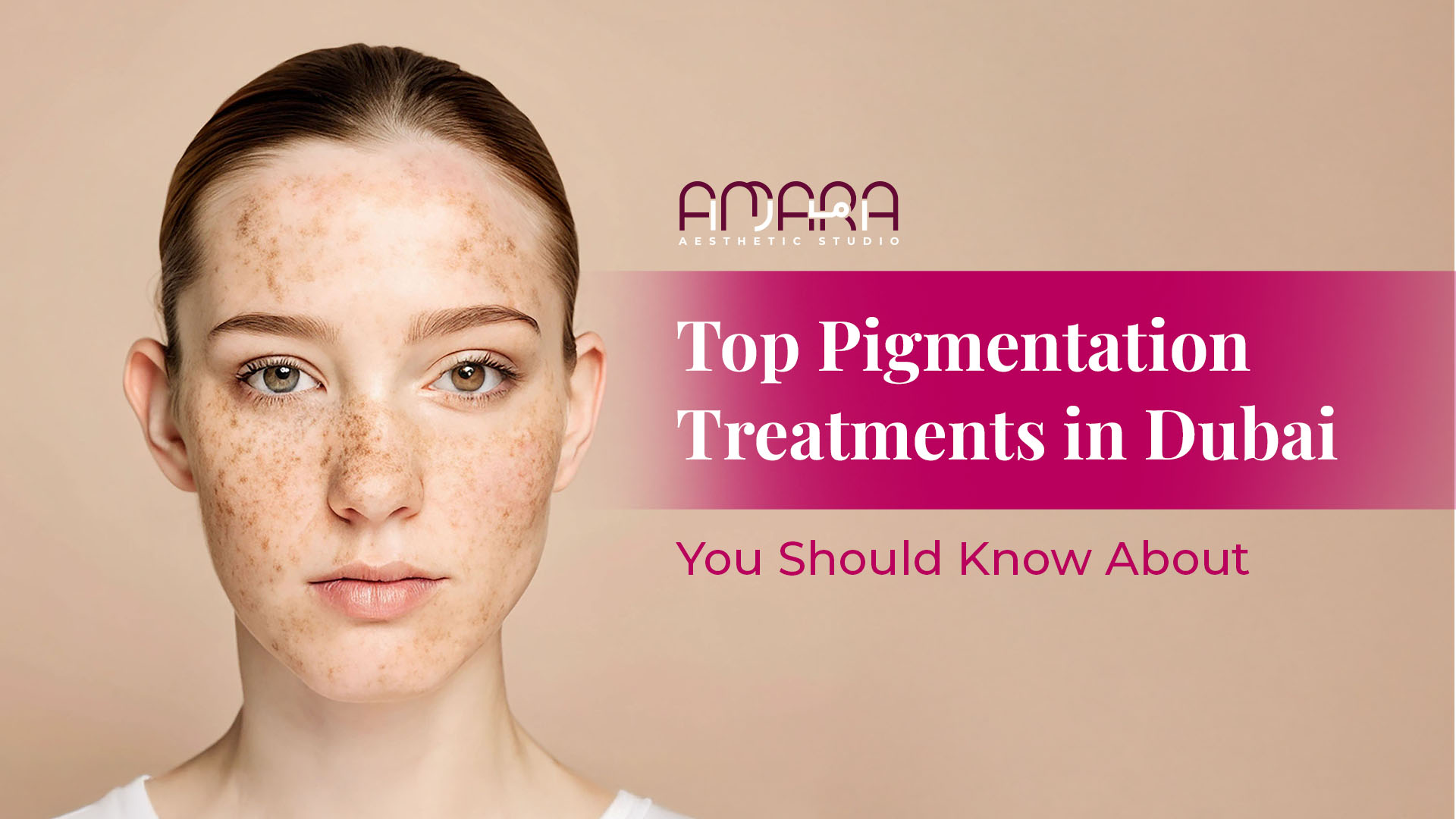
If you’ve been noticing dark spots, uneven patches, or changes in your skin tone, you’re not the only one; pigmentation is one of the most common skin issues. It can profoundly affect how you feel about your appearance, and it can even hinder your self-esteem. Pigmentation isn’t just a surface issue; it often reflects more profound changes in your skin caused by factors like sun exposure, hormones, ageing, or past inflammation.
From professional options such as chemical peels and laser therapy to simple habits like wearing sunscreen daily, there are effective ways to restore balance and brightness. In this blog, we are going to deep dive into understanding pigmentation, causes and the proper treatment for pigmentation in Dubai – which helps you achieve a smooth, even complexion that genuinely reflects your best self.
Decoding Skin Pigmentation: What is it?
Skin pigmentation indicates the color of the skin, controlled by melanin, the pigment produced in the skin. When melanin is produced unevenly, it can lead to various pigmentation issues like dark spots, sunspots, melasma, and hyperpigmentation. These pigmentation issues can appear on any part of the body but are most evident on the face, hands, and shoulders.
They can vary in intensity and affect people of all skin types and tones. Luckily, pigmentation can be treated, and with the right treatment, you can get back a youthful, even skin tone.
From Sun Exposure to Hormones: What Causes Skin Pigmentation
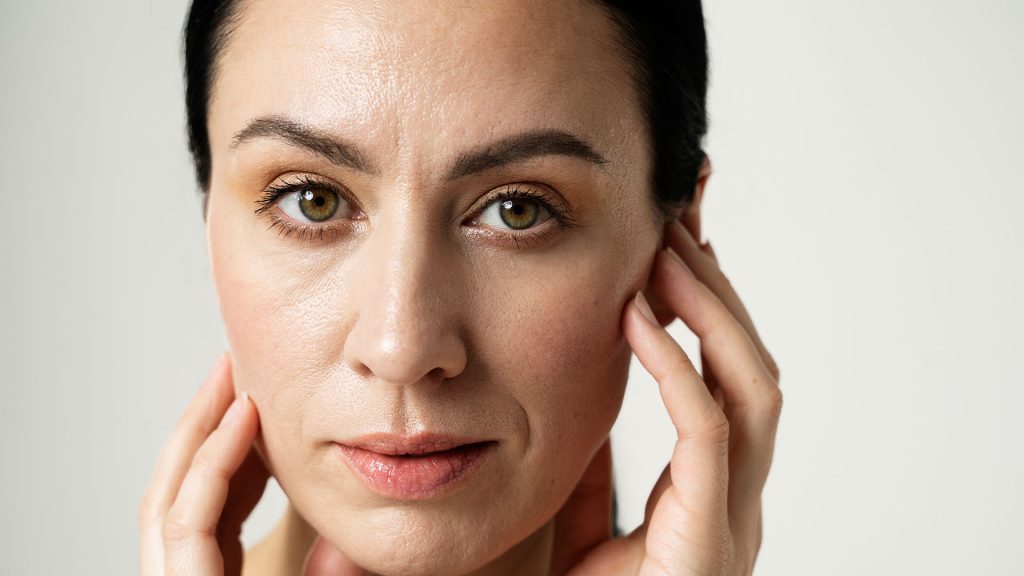
There are several skin pigmentation causes that lead to uneven skin tone. Some of the most common factors include:
1. Sun Exposure and UV Damage
The sun’s ultraviolet (UV) rays stimulate the skin to produce more melanin as a protective response. Prolonged or excessive exposure to UV rays can cause sunspots or age spots. These spots often appear on the face and other areas exposed to the sun, like the hands or chest. Over time, these sun-induced pigmentation spots become darker and more noticeable.
2. Hormonal Changes and Melasma
Hormonal fluctuations, particularly during pregnancy, the use of birth control, or menopause, can cause melasma. This condition leads to dark, irregular patches on the skin, especially on the face. The exact cause of melasma is not fully understood, but it’s believed to be linked to hormonal changes and UV exposure. It’s most common in women but can also affect men.
3. Aging and Age Spots
As we age, our skin’s ability to regenerate slows down, and age spots (also known as liver spots) become more prevalent. These dark spots typically appear in areas that have been exposed to the sun over the years, such as the face, hands, and forearms. Age spots are harmless but can affect the skin’s appearance.
4. Post-Inflammatory Hyperpigmentation (PIH)
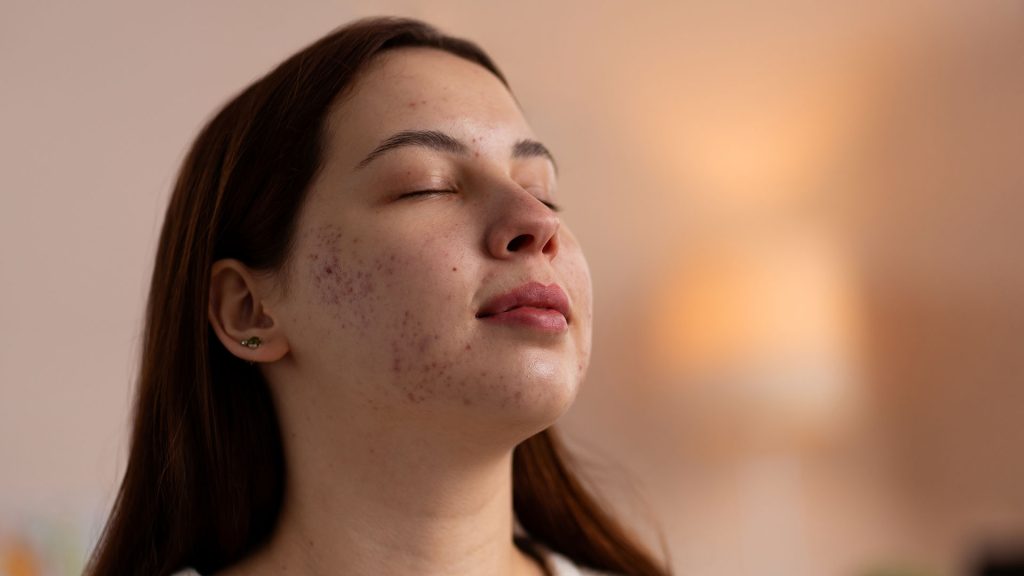
Post-inflammatory hyperpigmentation occurs when the skin produces excess melanin after an injury or inflammation. Conditions like acne, eczema, or even aggressive skin treatments can trigger PIH. The result is dark spots or scars left behind after the inflammation or injury has healed.
5. Genetics and Family History
Sometimes, pigmentation problems are inherited. If your family members have a tendency to develop certain pigmentation issues, such as freckles or other skin conditions, you might be more susceptible as well. Genetic factors play a role in how your skin reacts to environmental factors.
The Best Ways to Treat and Remove Pigmentation
Once you understand the causes of pigmentation, you can take steps to treat and manage it. Fortunately, pigmentation treatments in Dubai are readily available, offering both preventive and corrective solutions. Here are the best treatment options:
1. Chemical Peels
A chemical peel involves applying a chemical solution to the skin that exfoliates the top layer. This treatment removes dead skin cells and helps to reveal fresh, even-toned skin. Chemical peels are effective in treating sunspots, age spots, and hyperpigmentation. The treatment stimulates collagen production, improving skin texture, and reducing pigmentation over time.
2. Laser Pigmentation Removal
Laser treatments are one of the most effective ways to treat hyperpigmentation. By targeting melanin, lasers break down dark spots and encourage skin regeneration. Common laser treatments for pigmentation include fractional CO2 lasers and Q-switched lasers, which are particularly effective for treating melasma and sunspots.
Laser pigmentation treatments are non-invasive and provide noticeable results with minimal downtime. Advanced hyperpigmentation treatment in Dubai helps you achieve a clearer complexion in minimal time.
3. Microneedling
Microneedling uses tiny needles to create micro-injuries in the skin, stimulating collagen production, and encouraging the skin to heal itself. This treatment is effective for improving skin texture and reducing pigmentation caused by acne scars and sunspots. It also enhances the absorption of skin care products, making it a popular treatment for pigmentation care in skin clinics in Dubai.
4. Topical Skincare Treatments
Topical treatments like hydroquinone, vitamin C, and retinoids are effective at lightening dark spots and preventing future pigmentation. These ingredients work by inhibiting melanin production, helping to fade dark spots and improve overall skin tone. For mild pigmentation, these topical solutions can be used in conjunction with other treatments for optimal results.
5. Sunscreen and Sun Protection
One of the most important aspects of treating pigmentation is preventing further damage from UV rays. Daily sun protection is essential in preventing pigmentation from worsening and reducing the appearance of existing spots. Using a broad-spectrum sunscreen with SPF 30 or higher, even on cloudy days, to protect your skin from harmful UV rays.
Tips for Long-Term Pigmentation Care
- Maintain a consistent skincare routine that includes gentle exfoliation and hydrating products.
- Avoid prolonged sun exposure and always wear sunscreen to prevent the formation of new spots.
- Stay hydrated to support the skin’s natural healing and regeneration process.
- Follow up regularly with professional treatments like chemical peels or laser therapy for optimal, long-lasting results.
Pigmentation problems are common but completely treatable. Whether caused by the sun, aging, or hormonal changes. At Amara Aesthetic Studio, we offer personalized solutions for pigmentation treatment in Dubai. Our experienced dermatologists and skin specialists assess each individual case to provide the most suitable treatment for effective pigmentation removal. We combine state-of-the-art technologies with expert care to ensure that you leave with a brighter, more even complexion.
Frequently Asked Questions – Pigmentation Treatments
With the right treatment plan, many types of pigmentation, such as age spots, sunspots, and melasma, can be significantly reduced or removed.
Results vary depending on the treatment and the severity of pigmentation. Laser treatments and chemical peels can show visible improvement within a few sessions, while microneedling may take a few weeks to show significant results.
While treatments can reduce or remove pigmentation, sun exposure and lifestyle factors can cause pigmentation to return. Ongoing sun protection and skin care are essential to prevent recurrence.
Risks are minimal when performed by qualified professionals. Some treatments may cause temporary redness or swelling, but these side effects usually subside within a few hours of days.
Yes, using sunscreen, avoiding excessive sun exposure, and following a proper skincare routine can help prevent pigmentation from developing or worsening.

Leave a Reply